


Wine Cellar HQ — Wine Racks
The Right Wine Rack
The Right Wine Rack
for Every Space
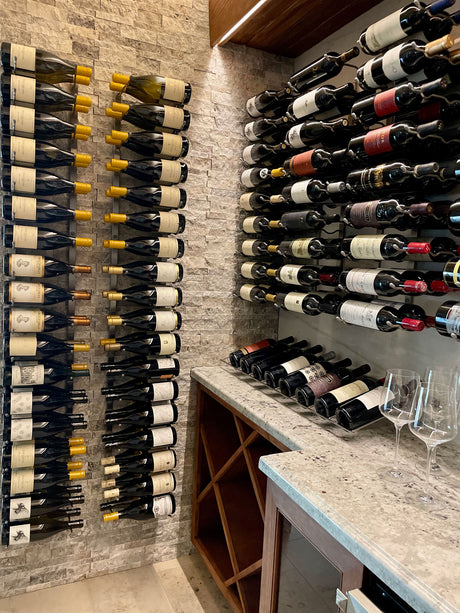
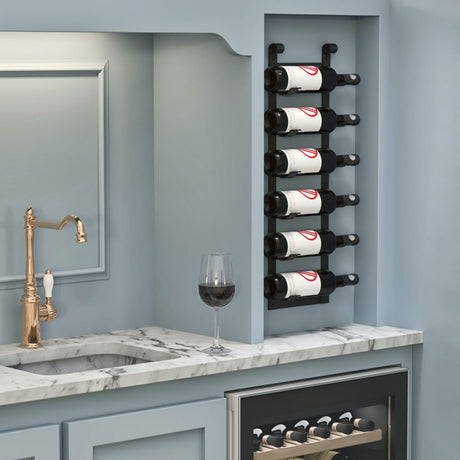
From a 6-bottle countertop rack in your kitchen to a 200-bottle wall system in a dedicated cellar — the right rack balances your space, your collection, and how fast it's growing.
Shop Our Full Wine Rack Range
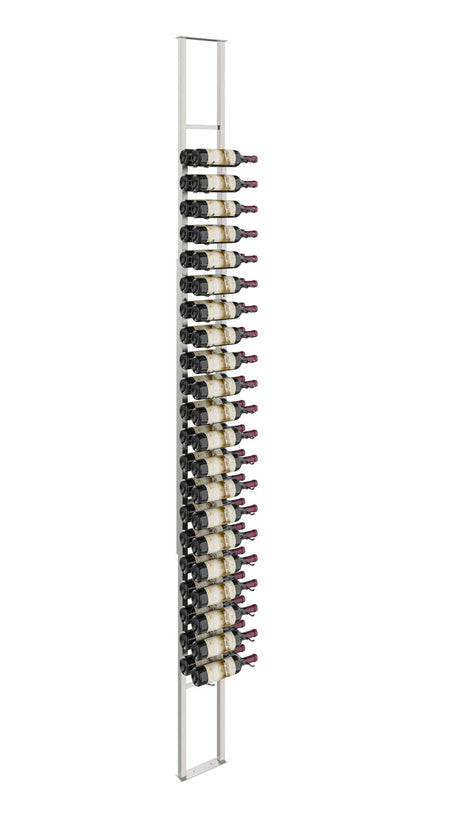
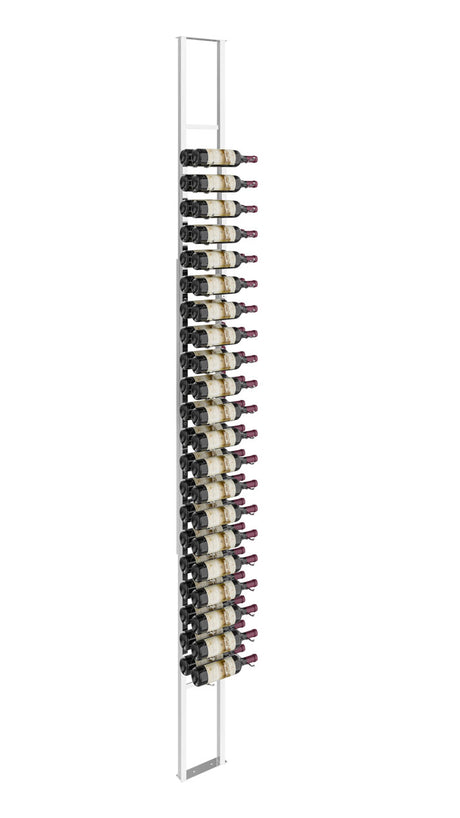
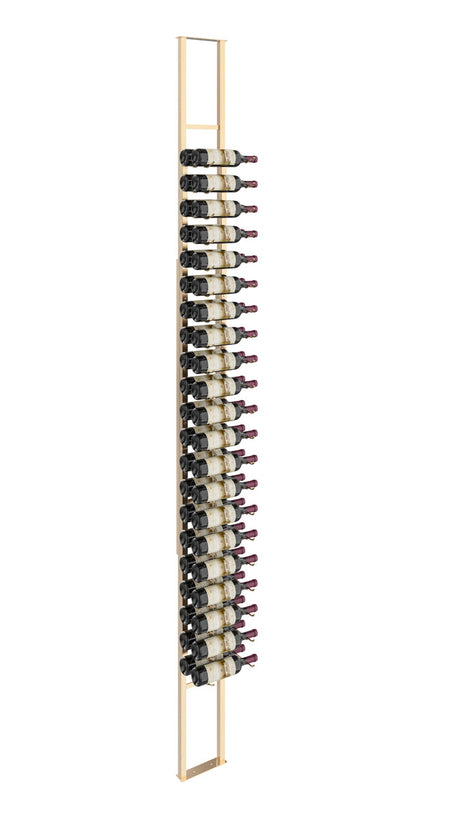
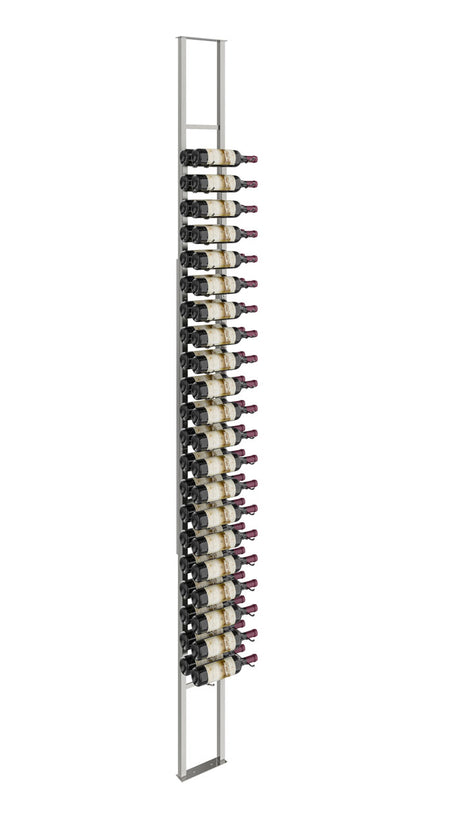
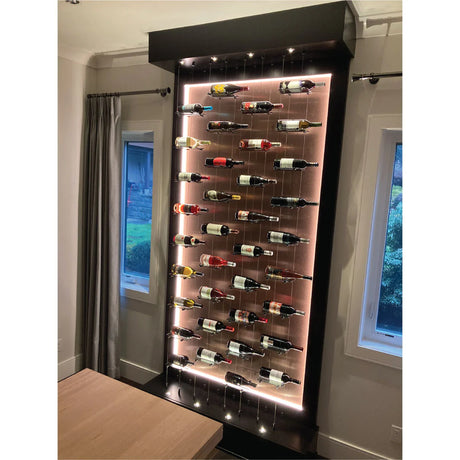
Wall-mounted, freestanding, modular, and cable racks from VintageView, Ultra, Kessick, and more — in metal, wood, and acrylic.
Shop 359 WCHQ Wine Racks Products
-
-
-
-
-
-
-
-
-
-
-
-
-
-
-
-
-
-
-
-
-
-
-
-
-
-
-
-
-
-
-
-
-
-
10% off · EVO10
-
-
-
-
-
-
-







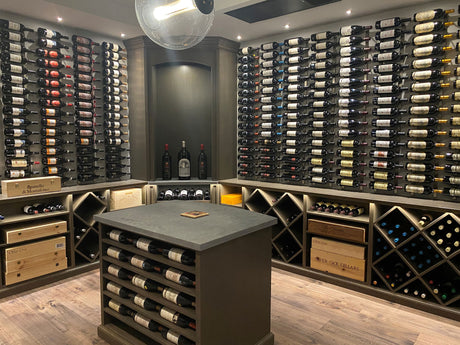
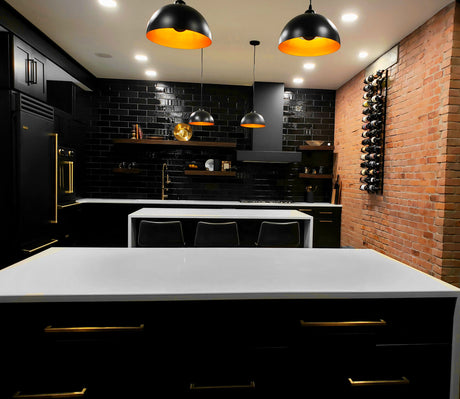
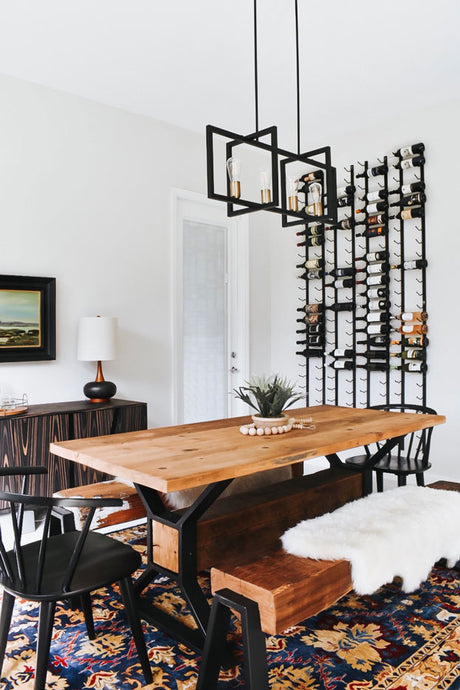


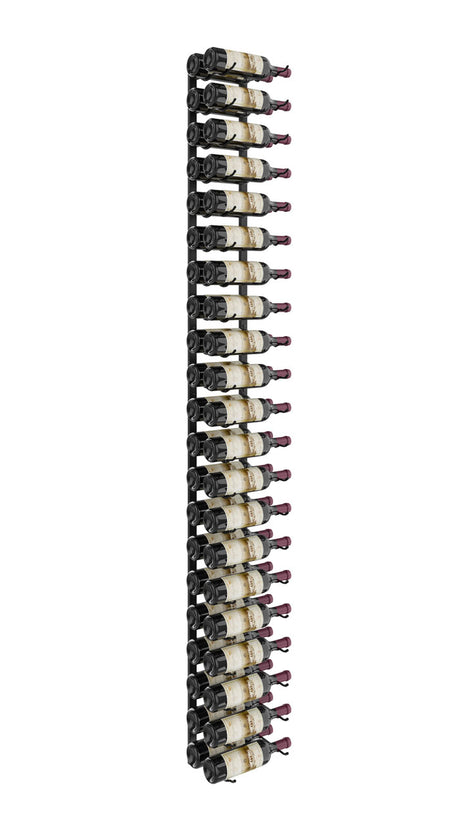




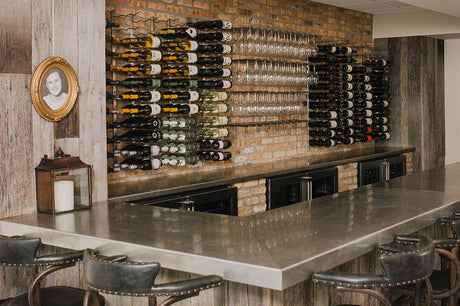
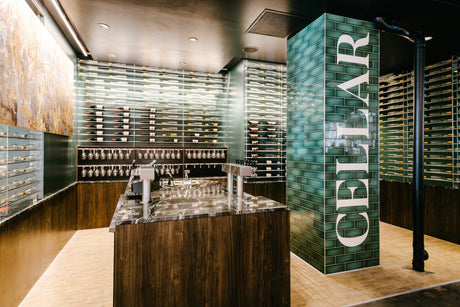
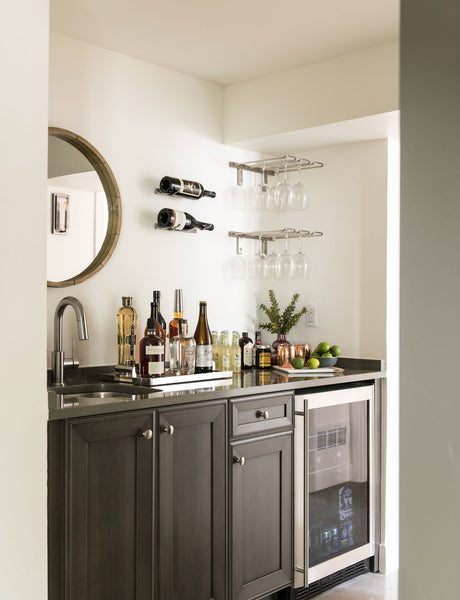
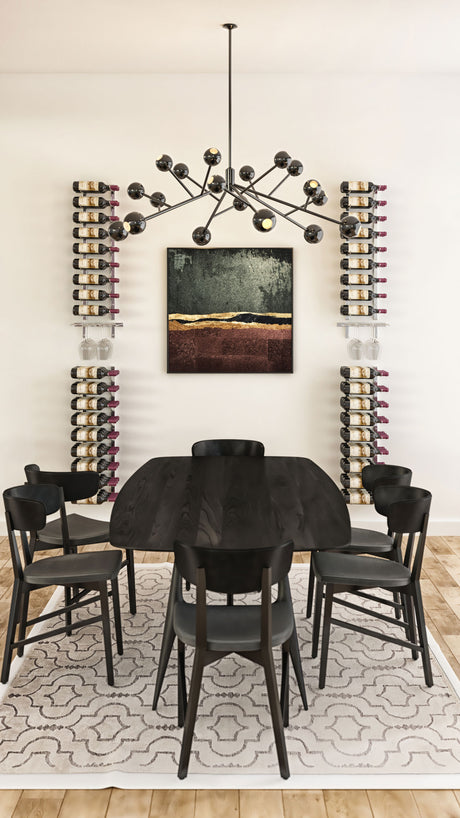





















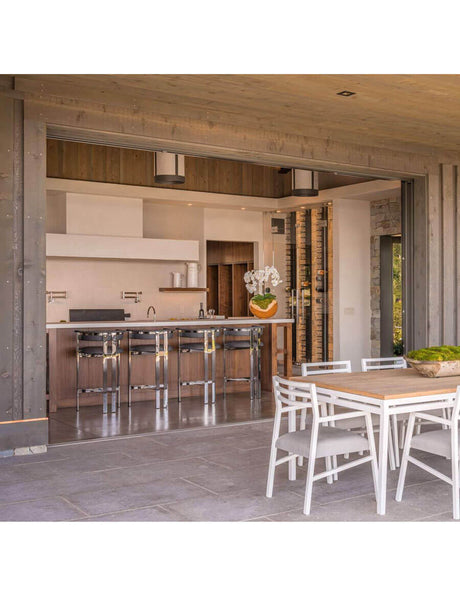
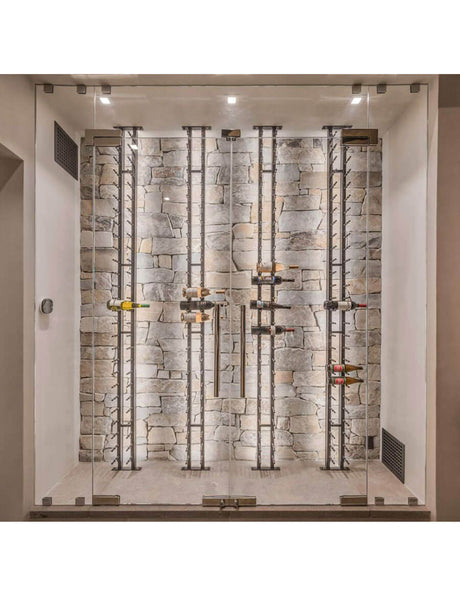
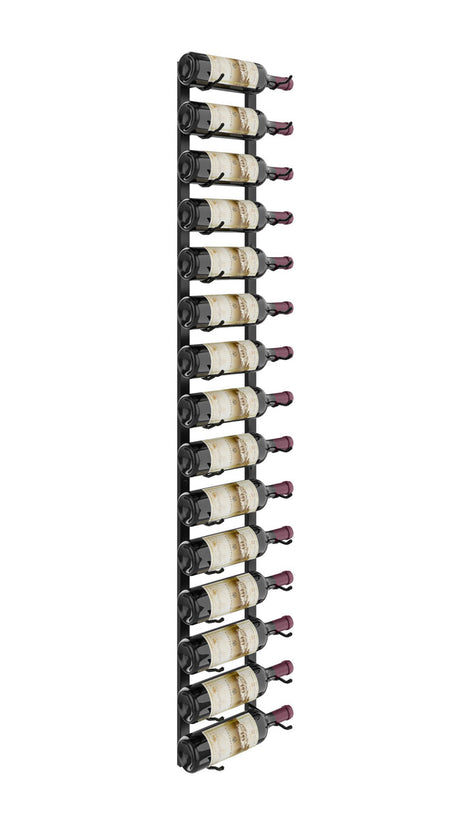
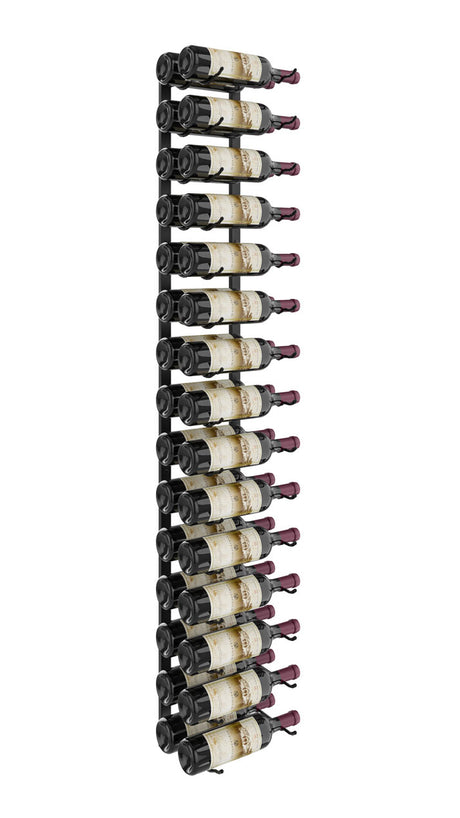




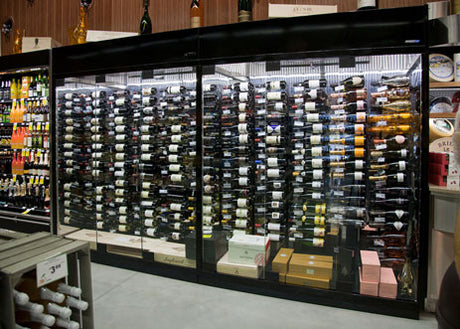
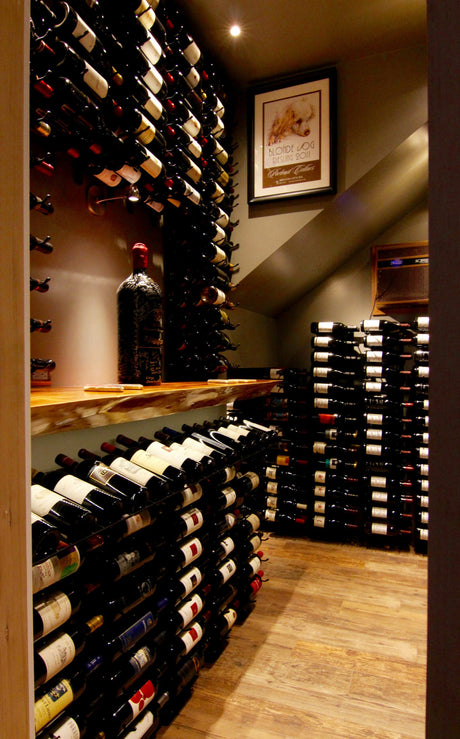

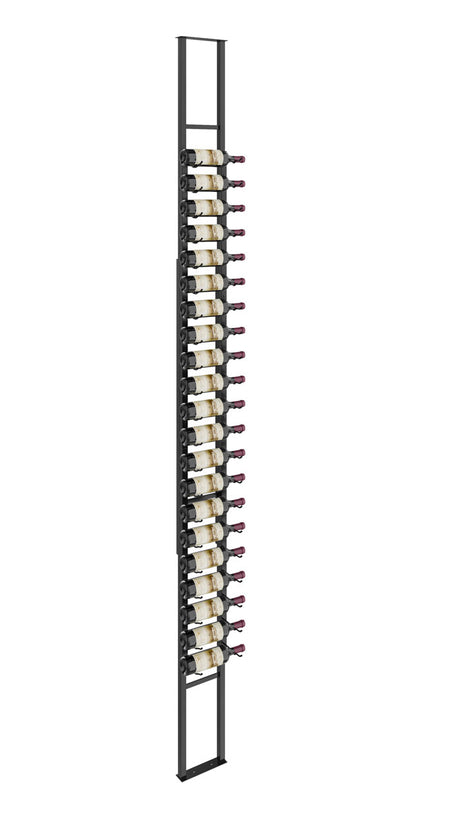
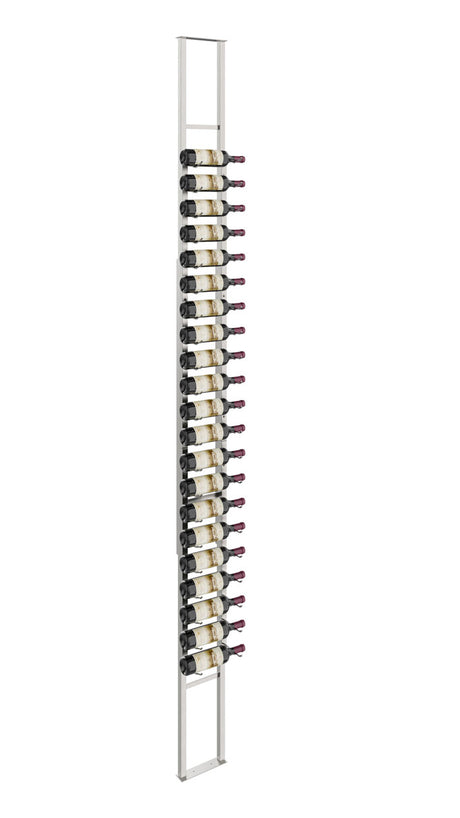
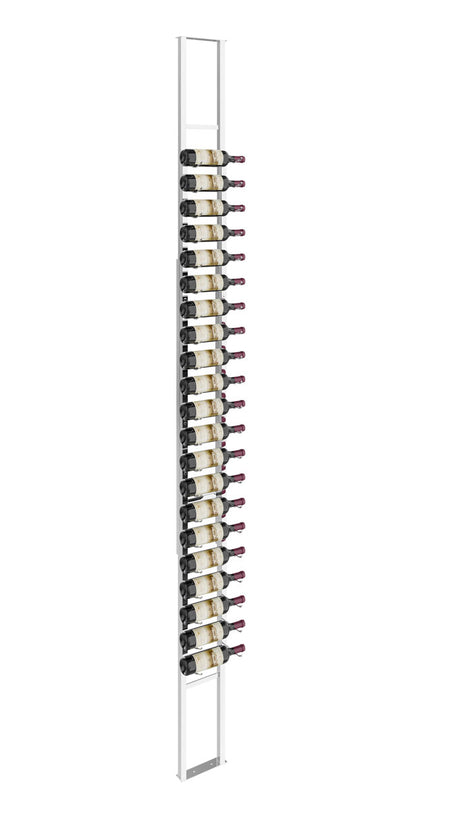
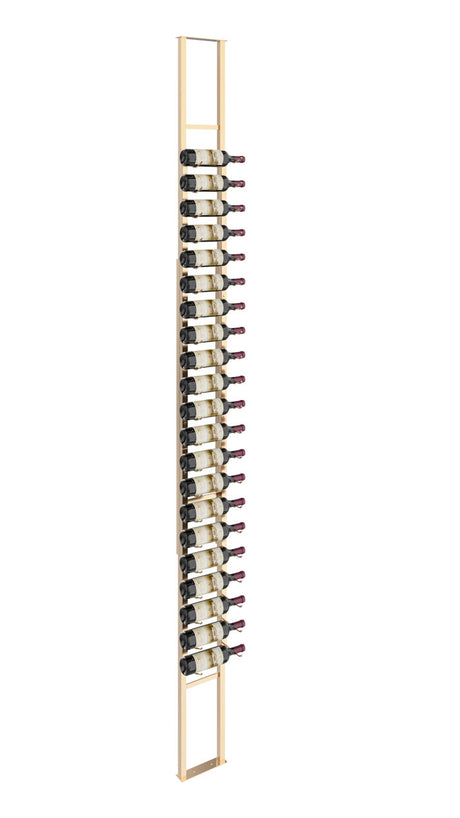
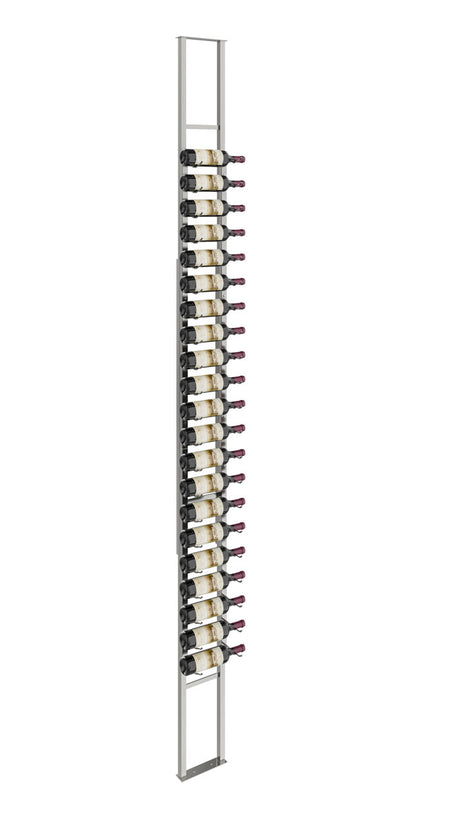
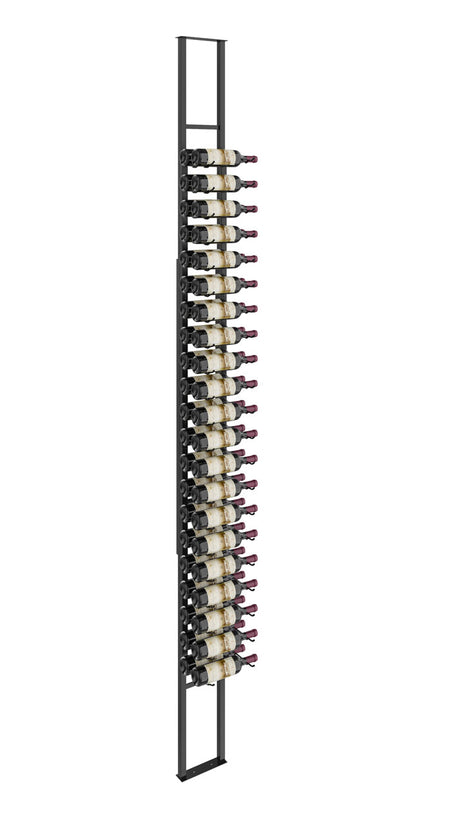
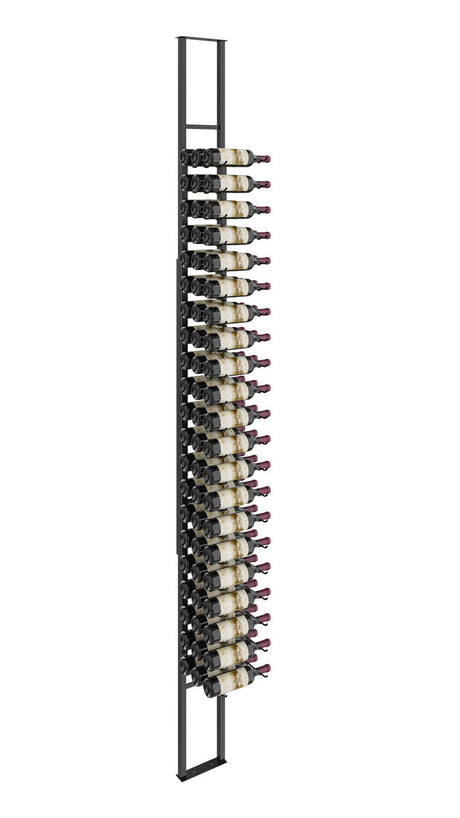
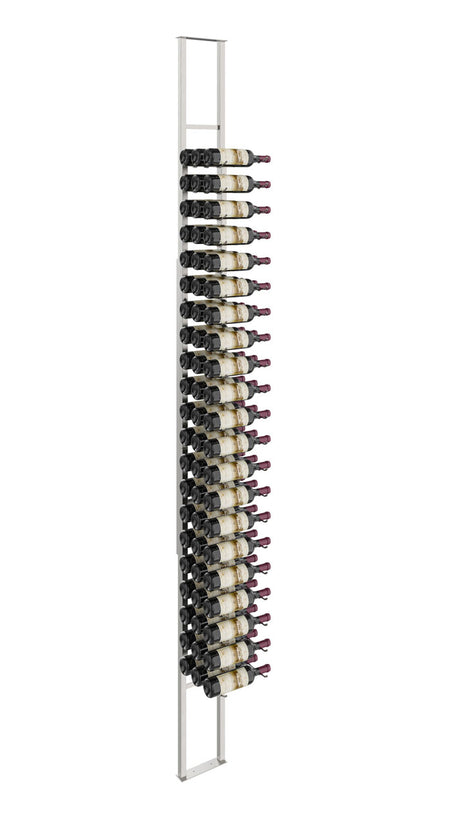
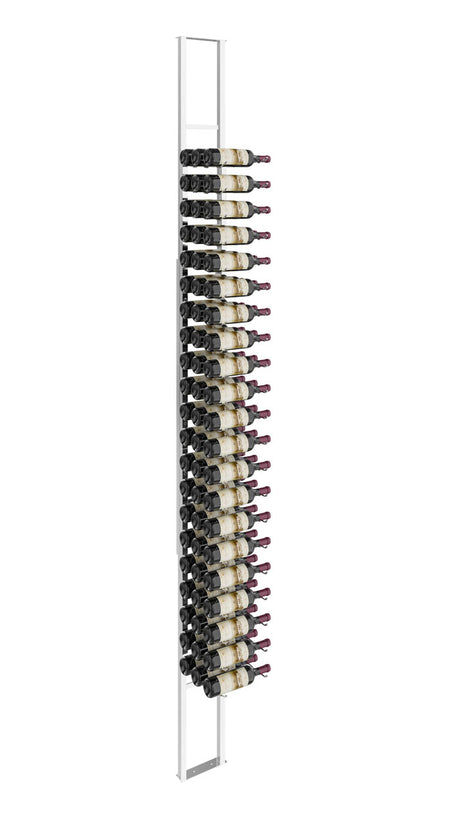
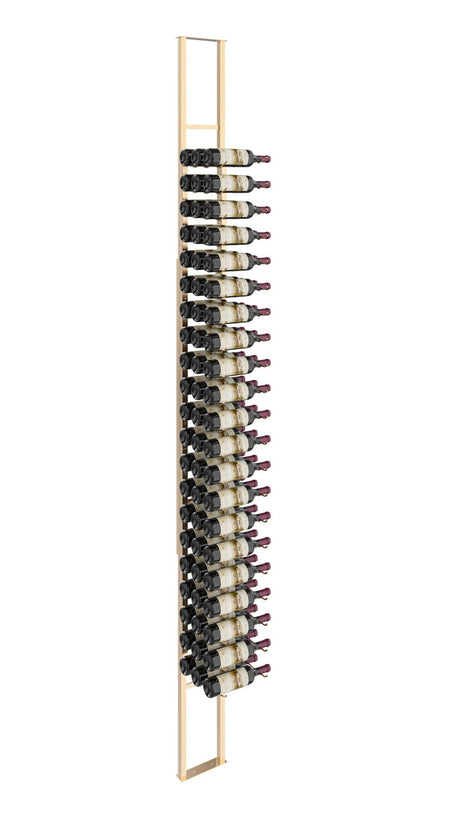












Buying Guide
How to Choose the Right Wine Rack
Start with four factors: wall access, floor space, bottle count, and purpose — primarily storage or display. Once you know those, the right type, material, and capacity become straightforward to determine.
- 1 Wall accessDo you have wall studs or masonry you can drill into? Homeowners get more display quality and space efficiency from wall-mounted systems. Renters should default to freestanding or modular.
- 2 Floor spaceA wall-mounted rack frees up floor space entirely. A freestanding unit needs floor clearance but moves with you. Countertop racks need only a stable surface.
- 3 Bottle countStart with your current bottle count, then add 25–30% to account for growth in your collection. At 100+ bottles, structural and environmental factors also come into play.
- 4 PurposeDisplay-first storage (kitchen, dining room, home bar) calls for a different rack than long-term aging. For serious aging, pair any rack with a climate-controlled cooling unit.
6Rack Types
3Materials
200+Bottle Capacity
Explore by Type
Six Types.
Six Types.
One Right Fit for Your Space.
Every rack here ships with verified load ratings and manufacturer support. As an authorized dealer, Wine Cellar HQ carries wall-mounted, modular, freestanding, peg, cable, and countertop systems across every price point and capacity.


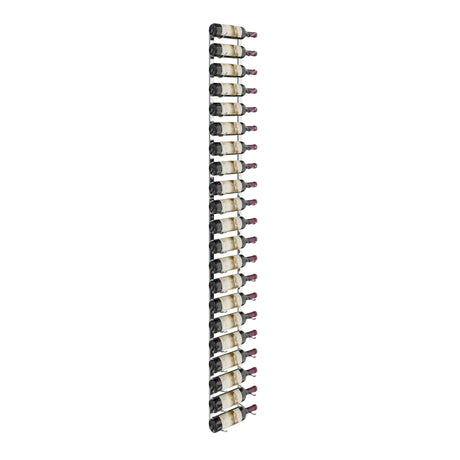
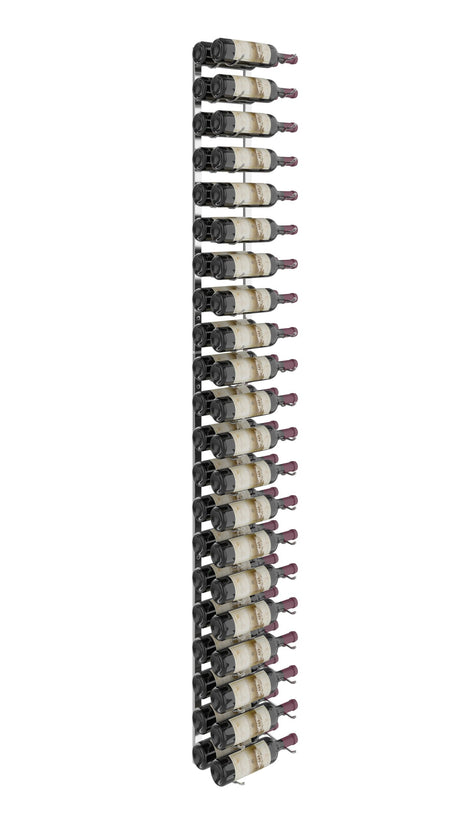
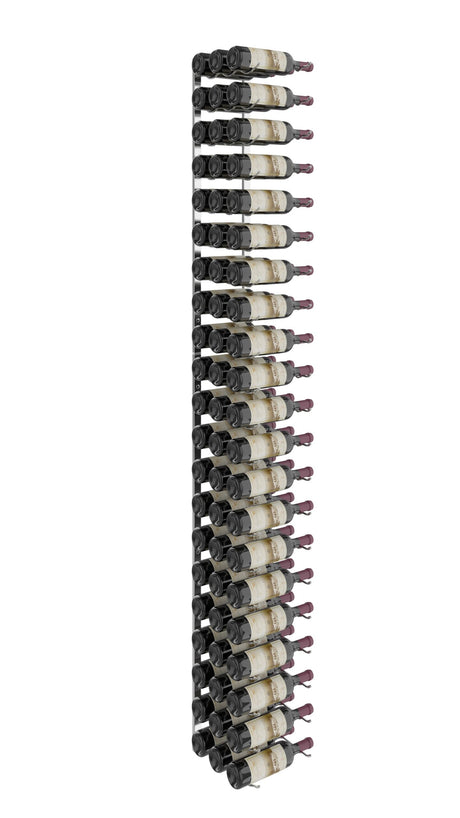
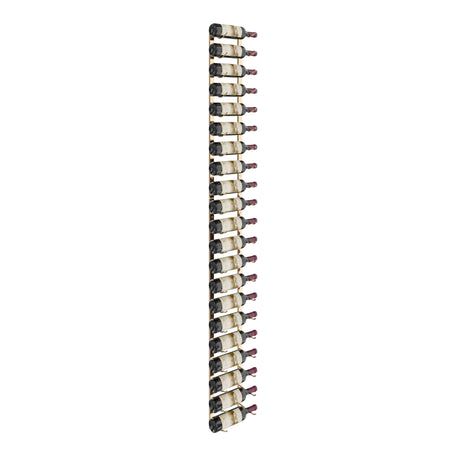
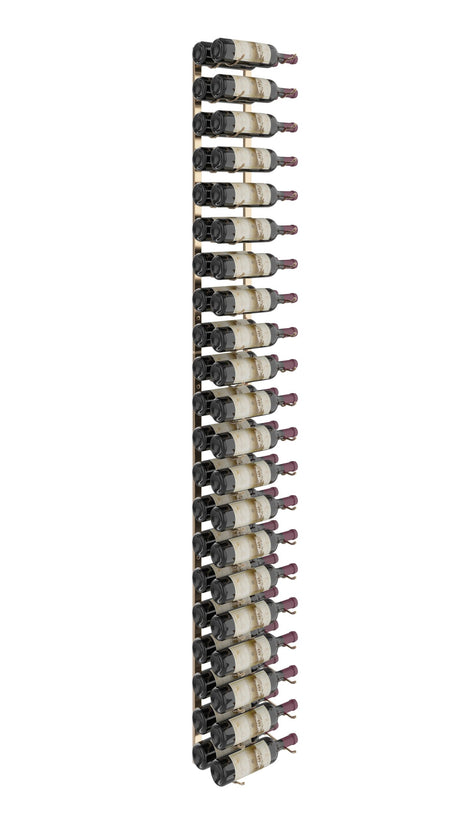
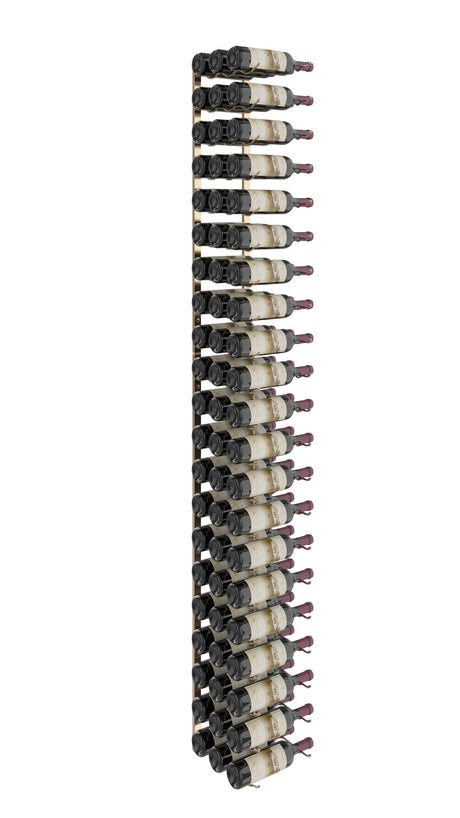
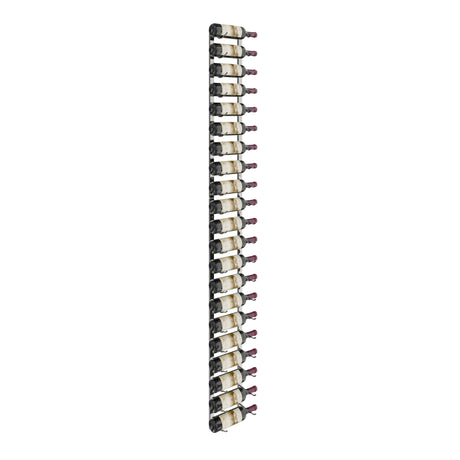
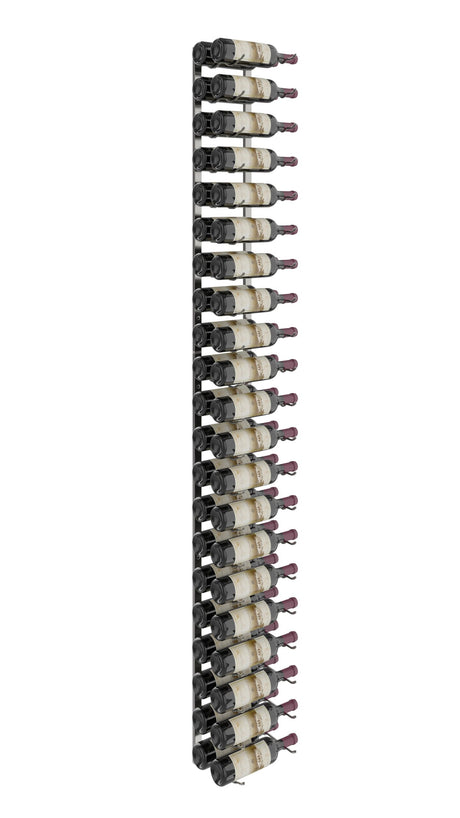
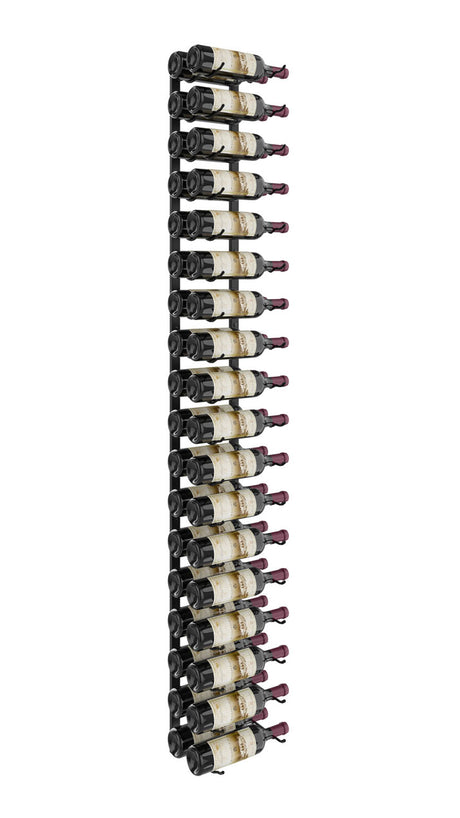
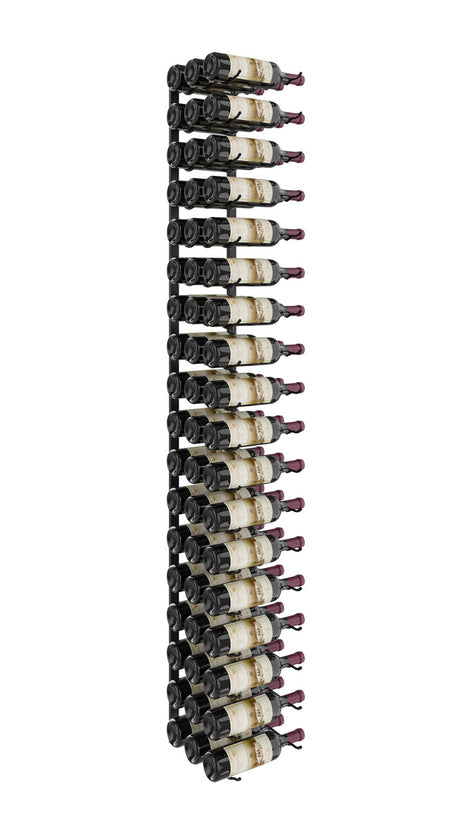
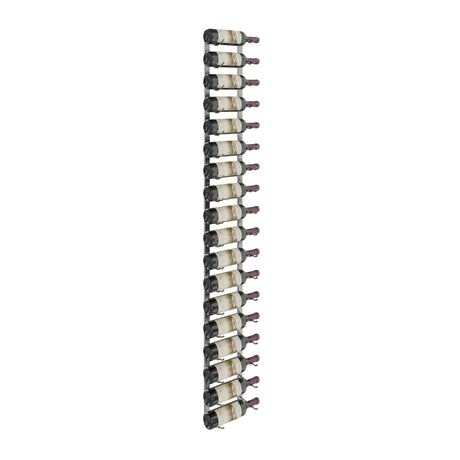
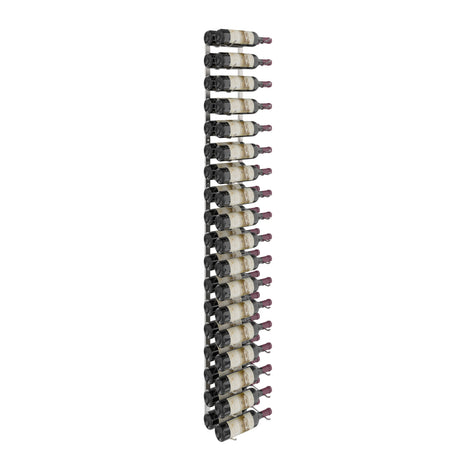
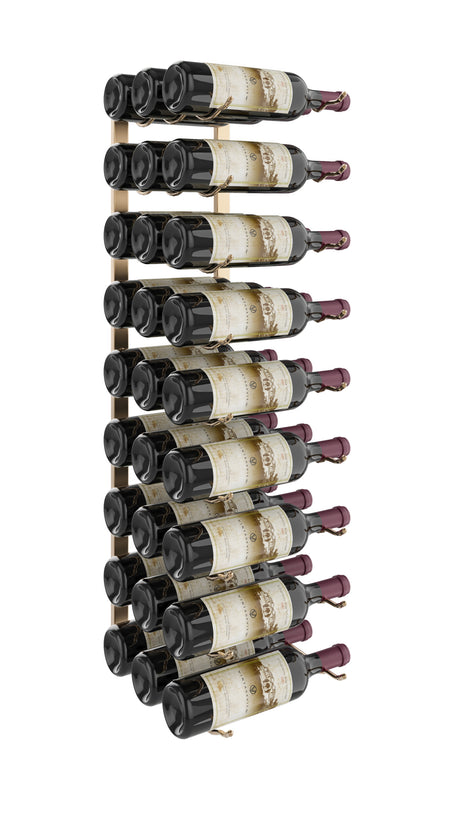
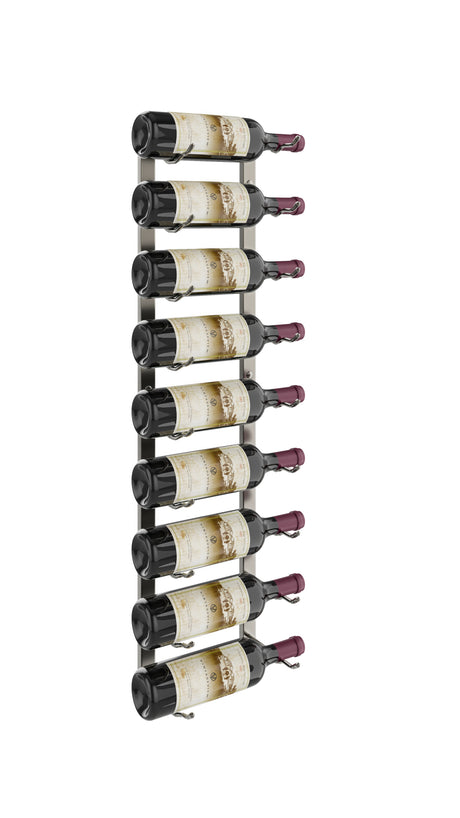
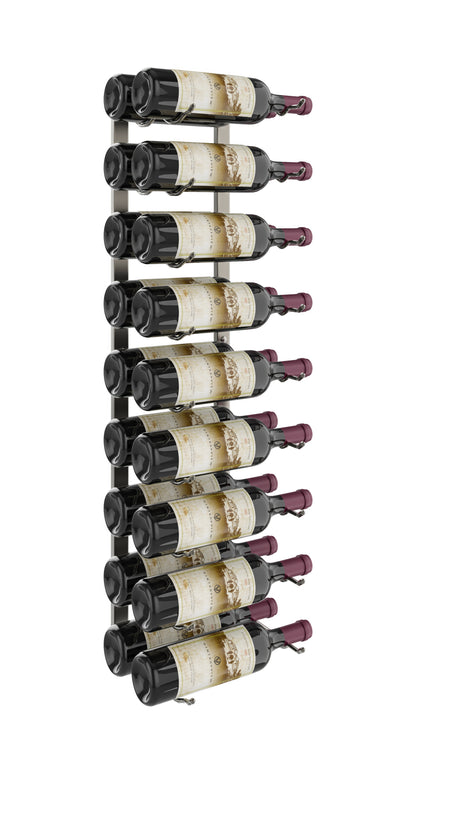
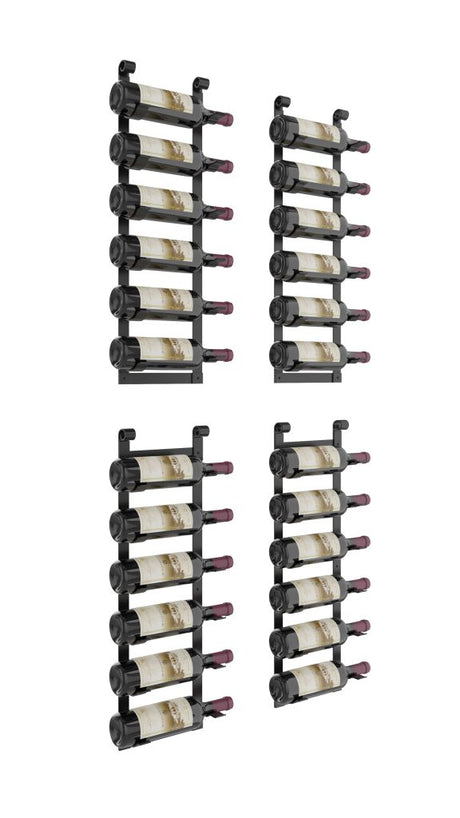
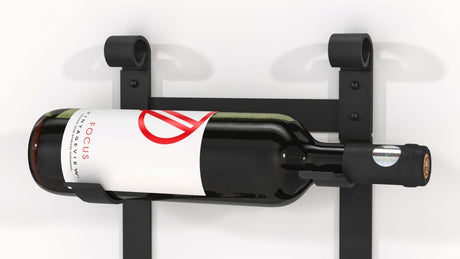
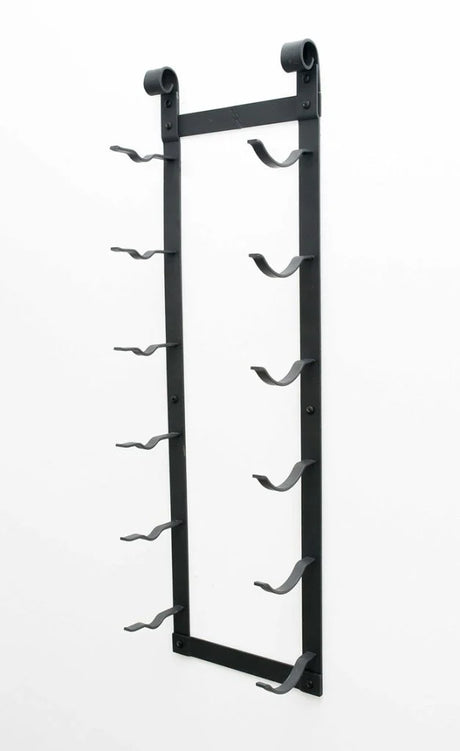
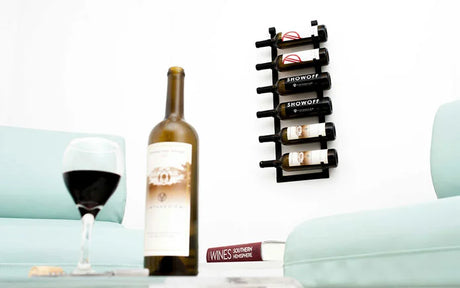
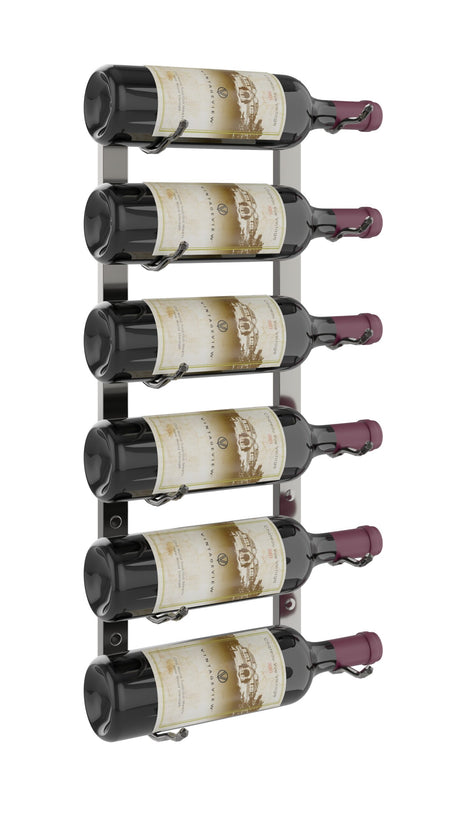
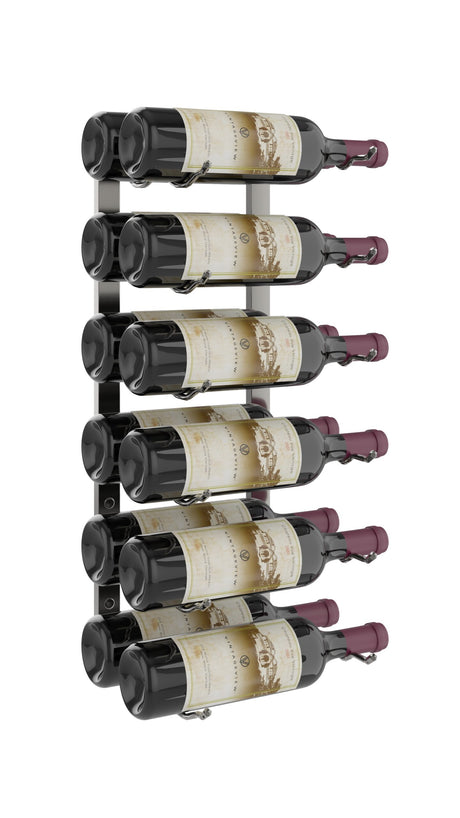
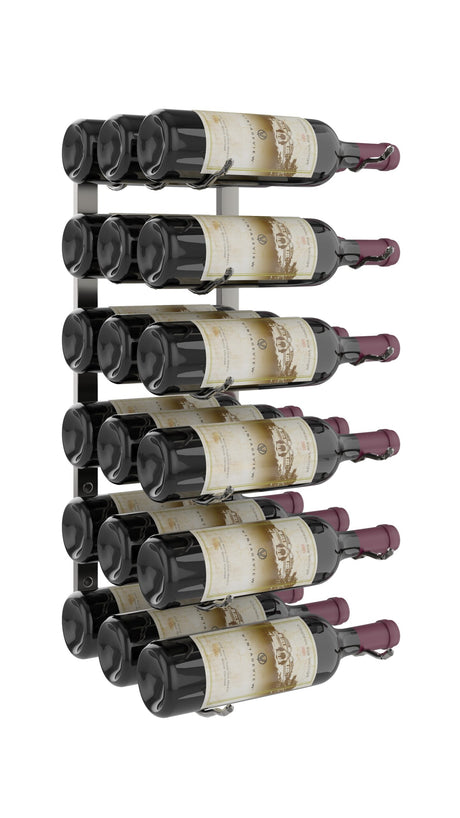
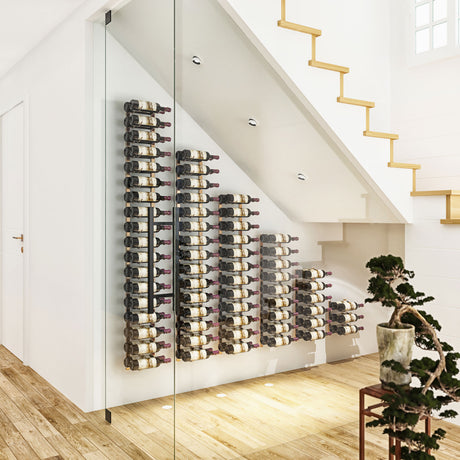
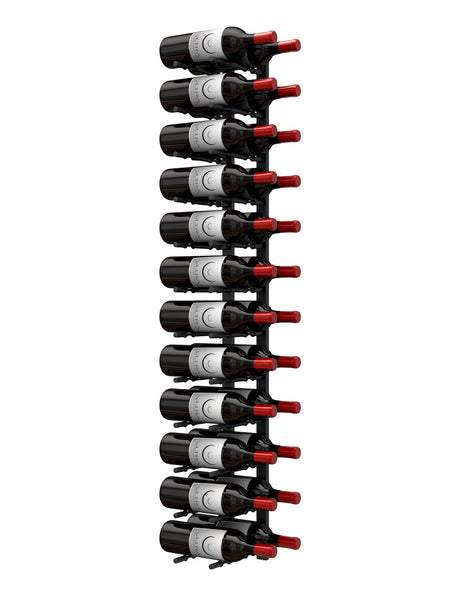
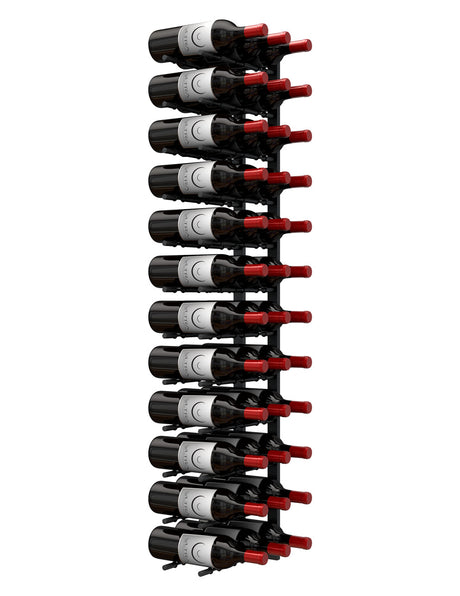
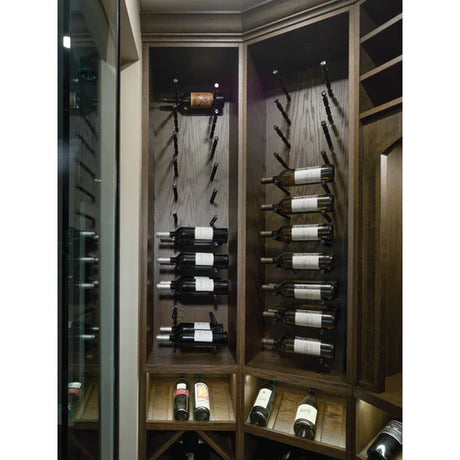
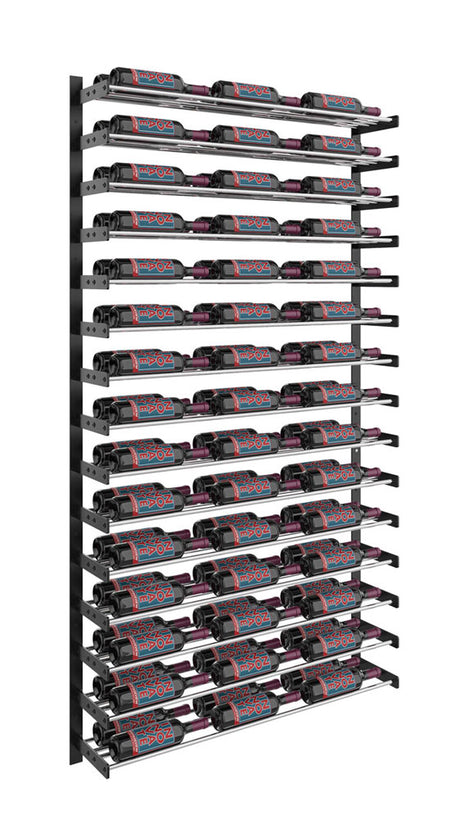
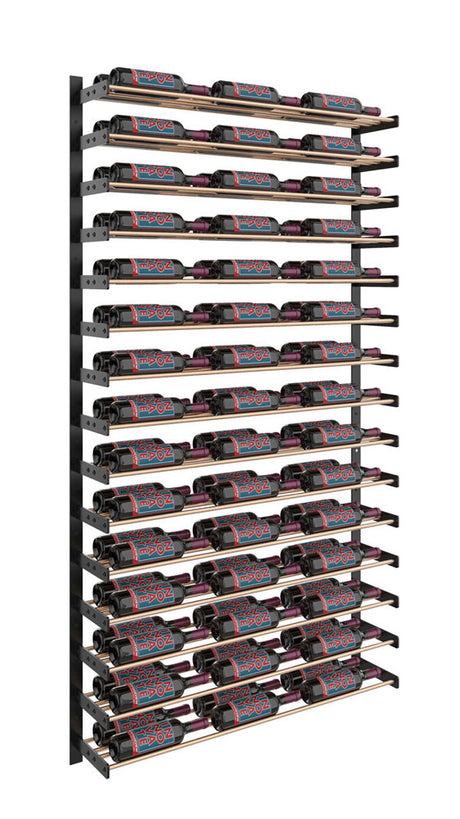
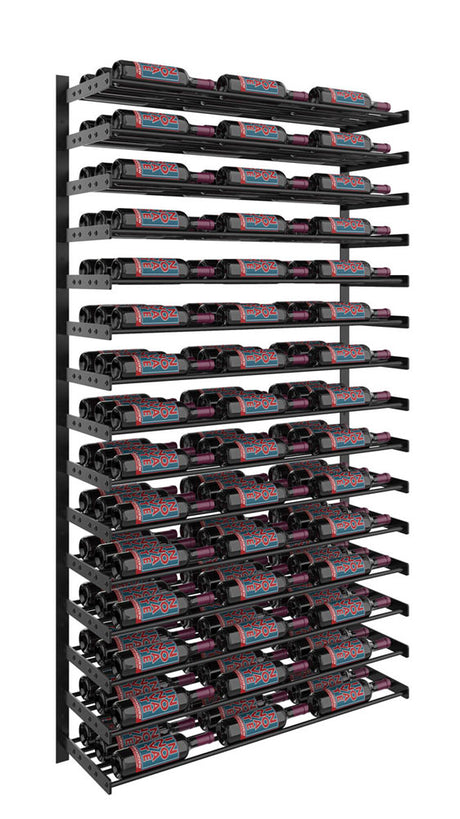
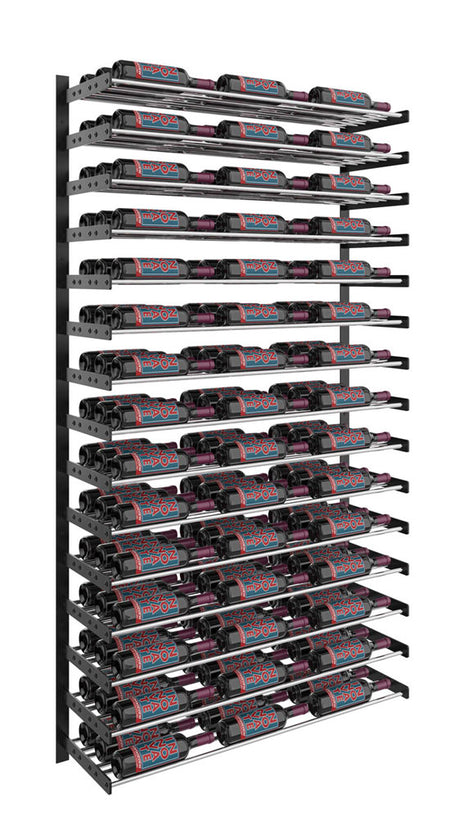
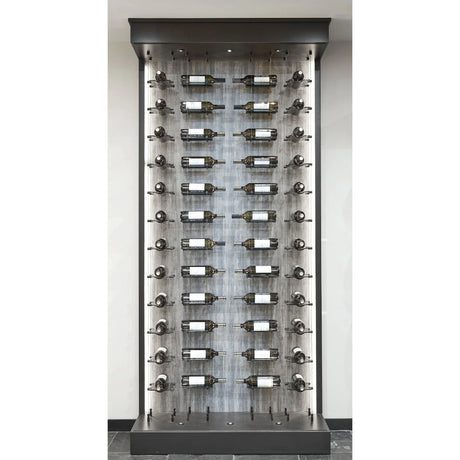
Wall-Mounted Wine Racks
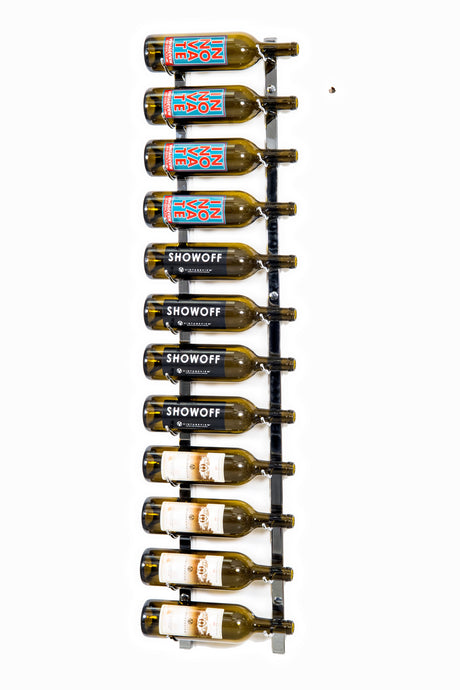
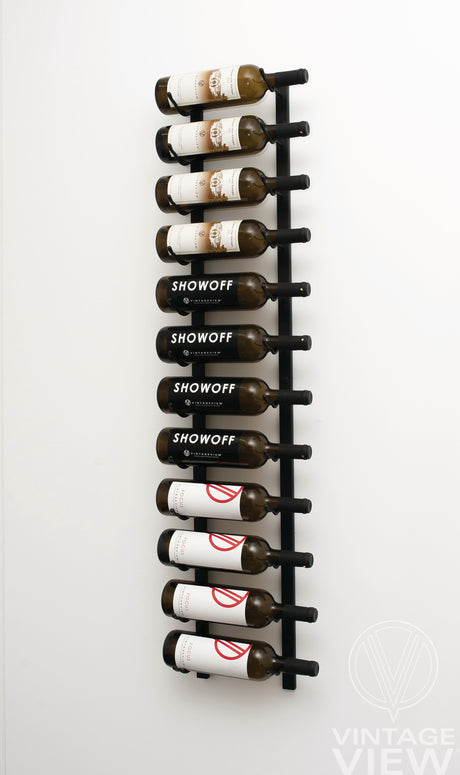
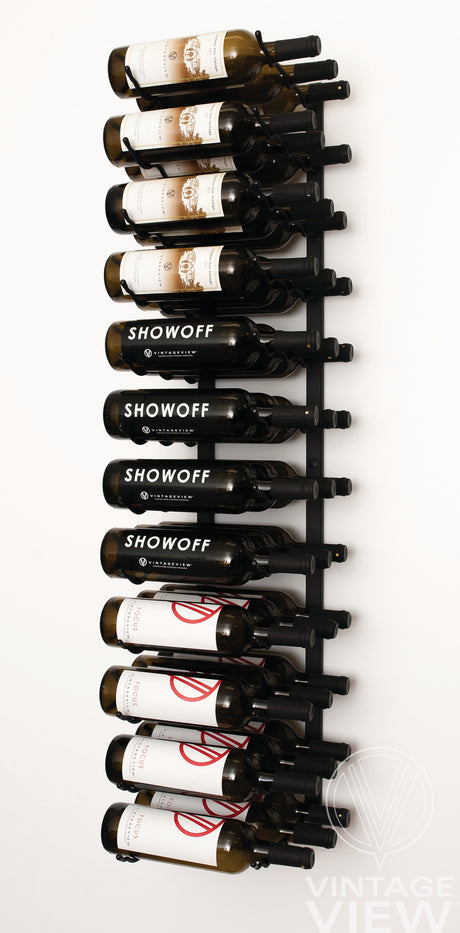
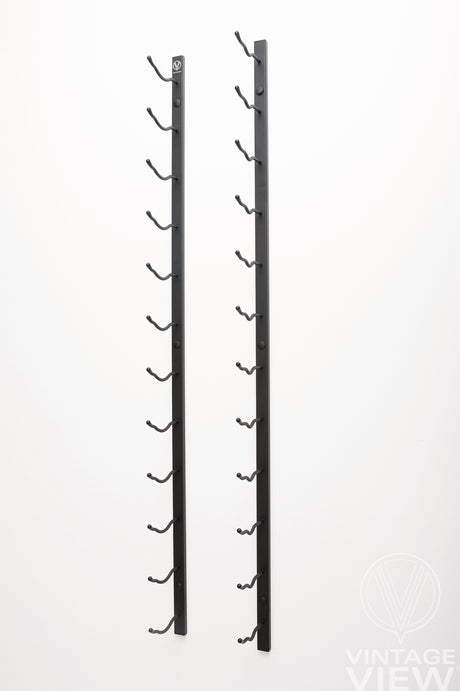
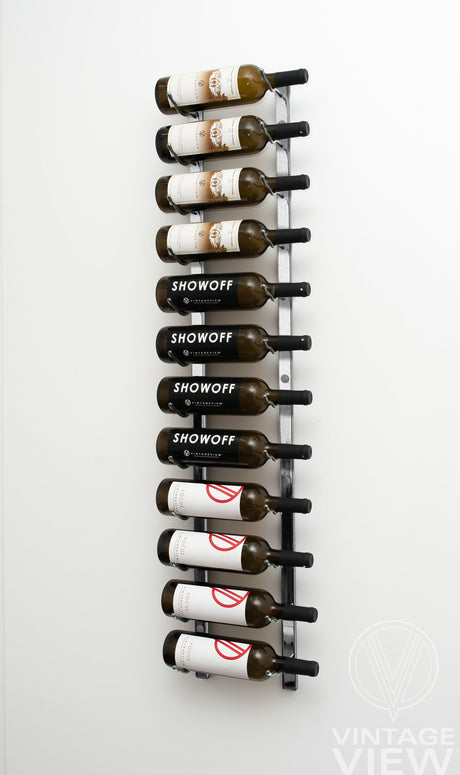
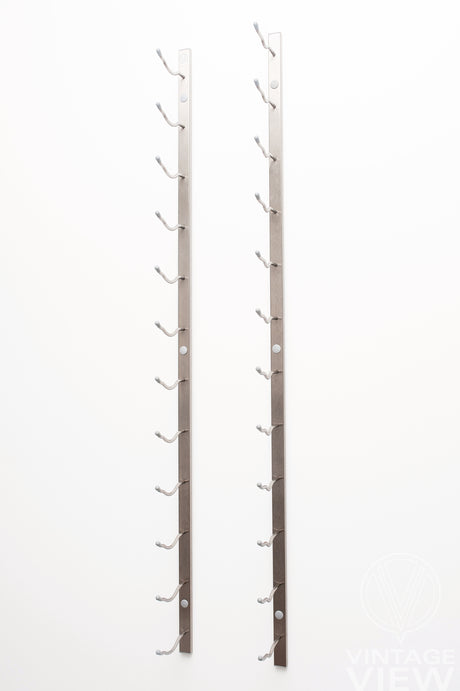
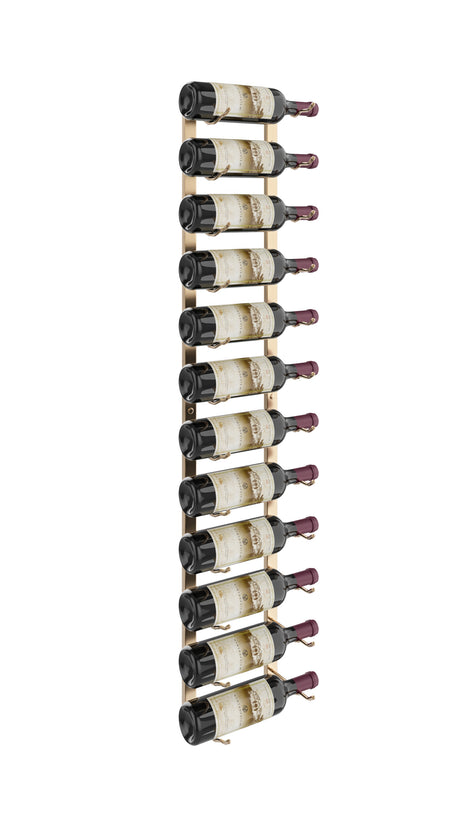
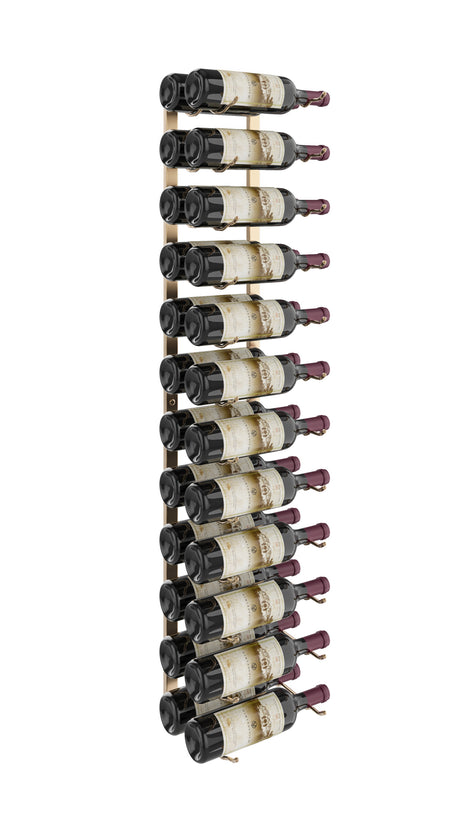
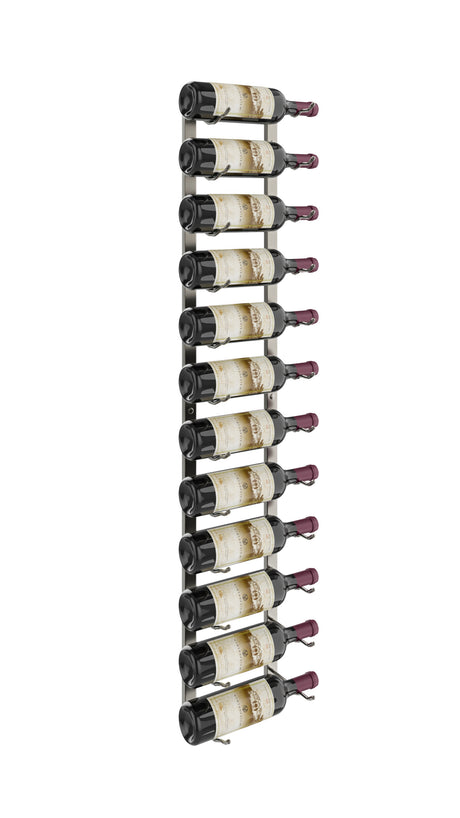
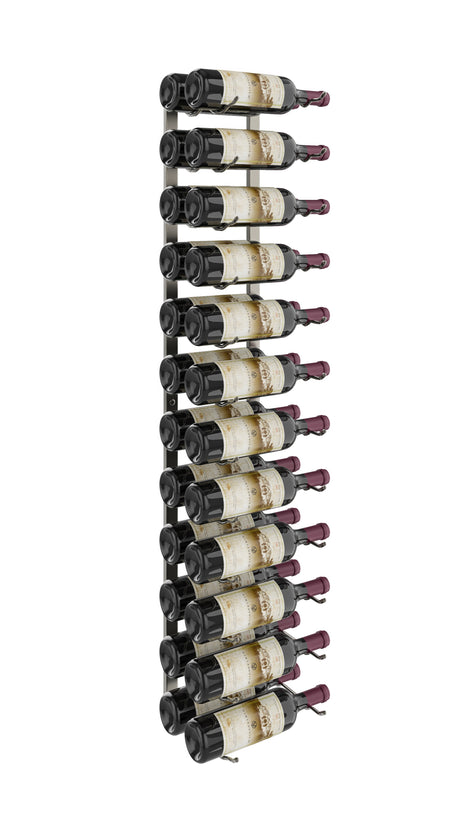
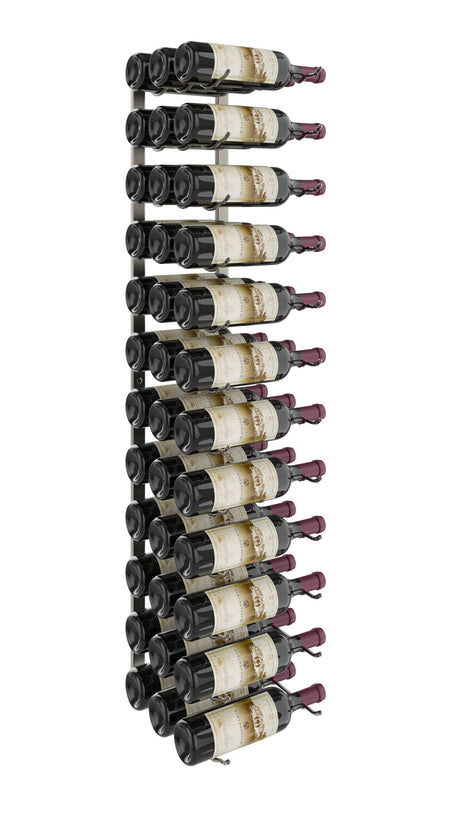
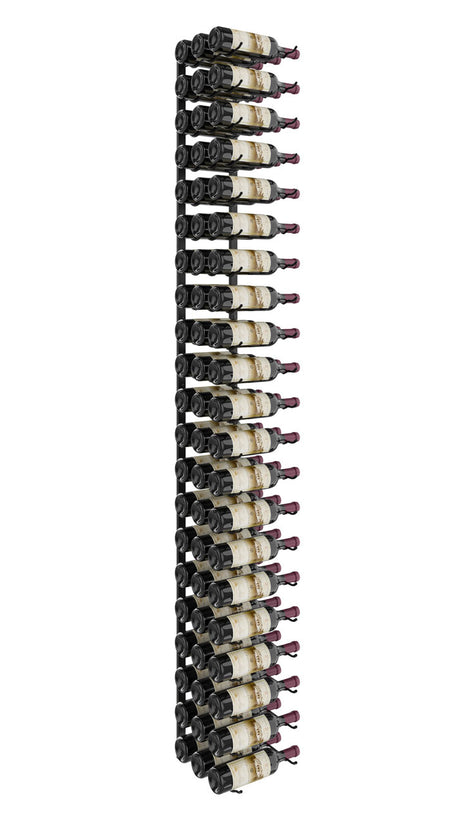
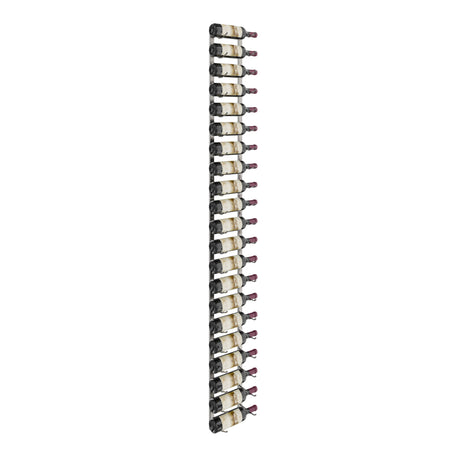
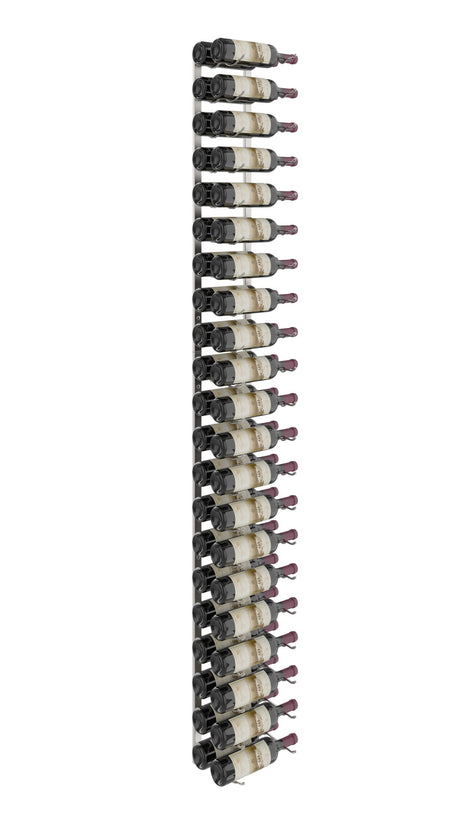
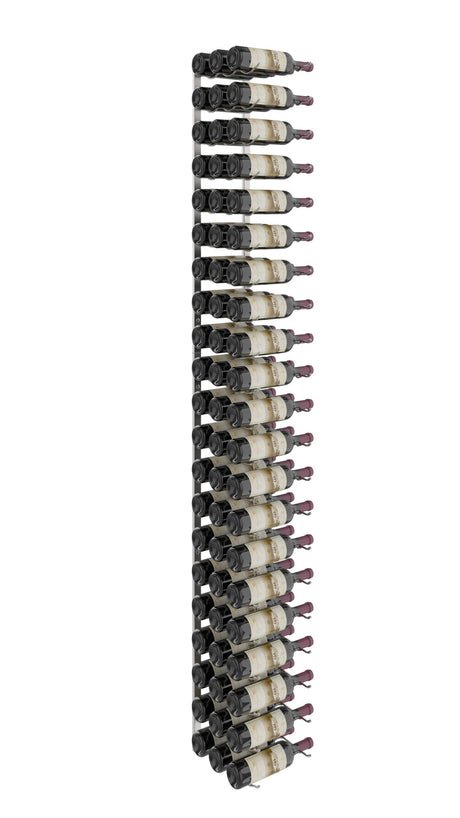
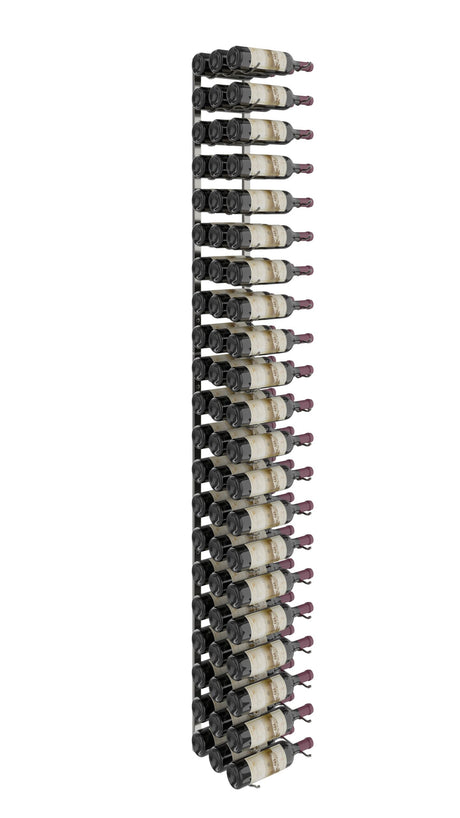
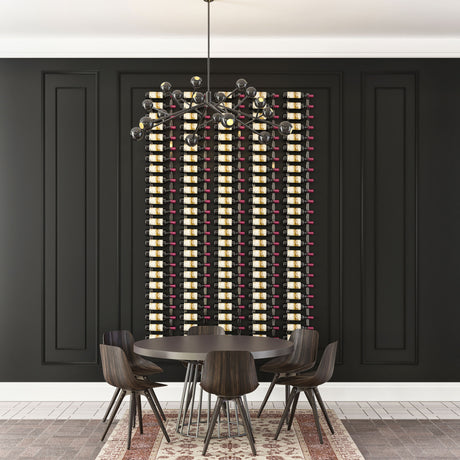
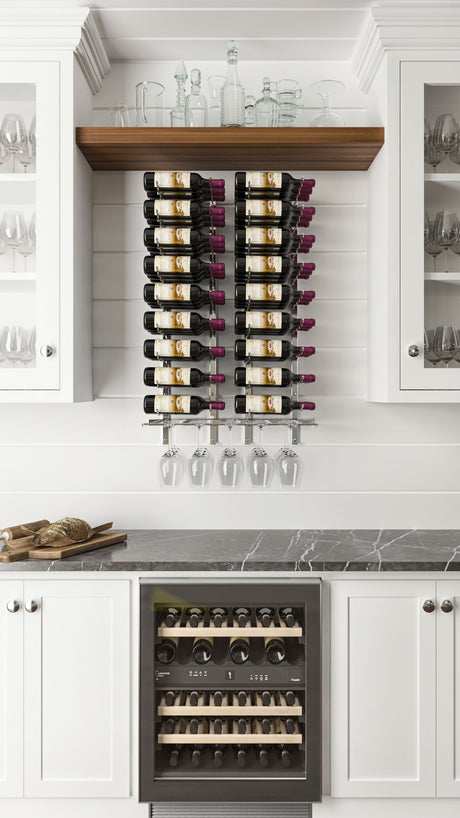
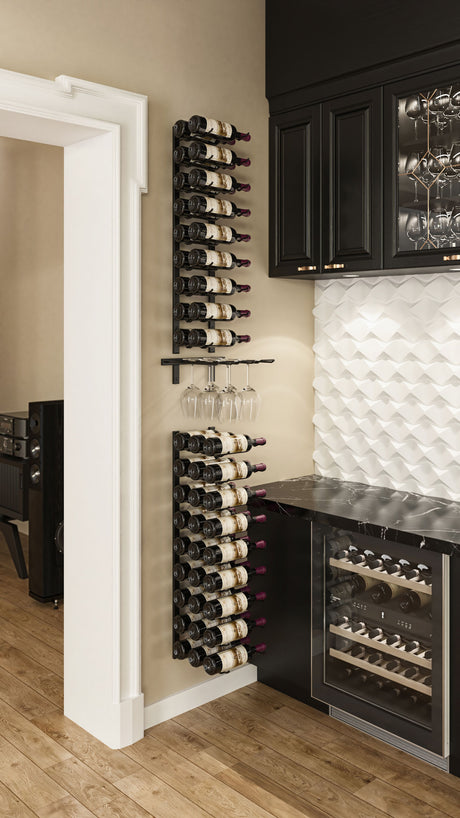
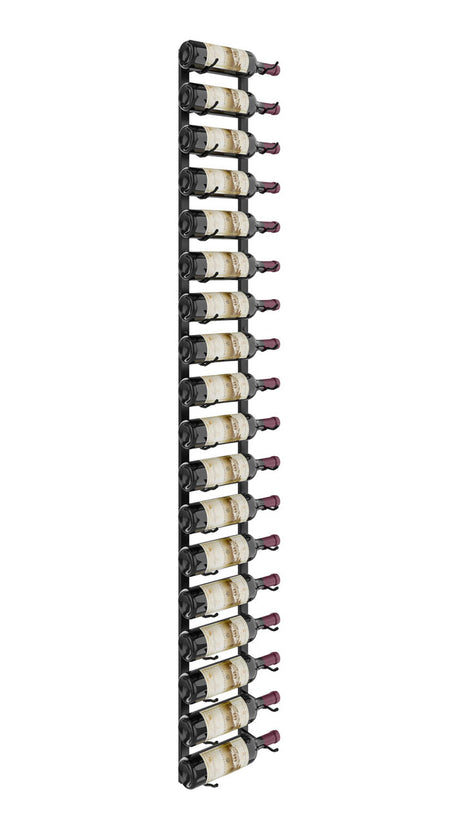
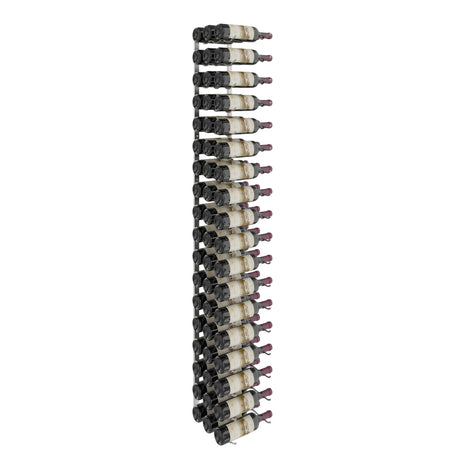
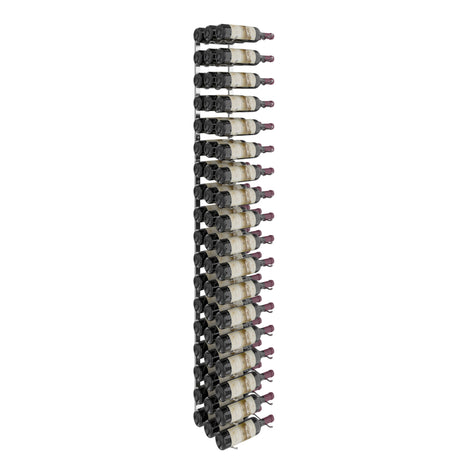
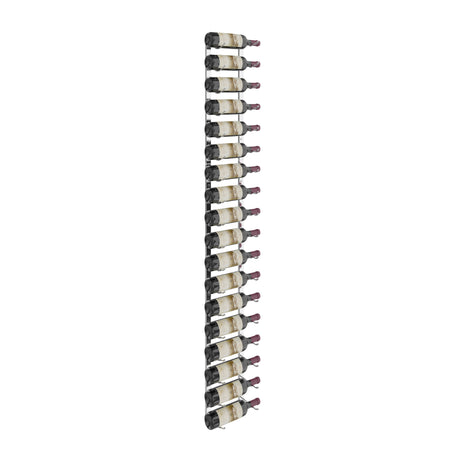
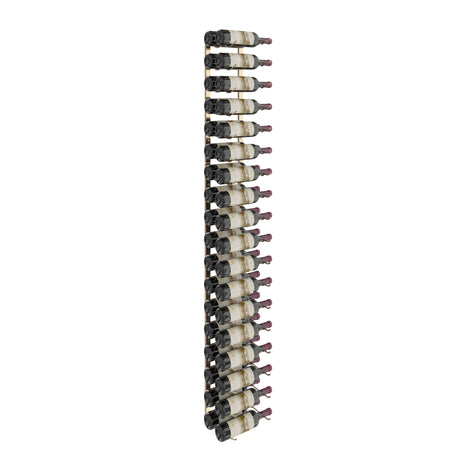
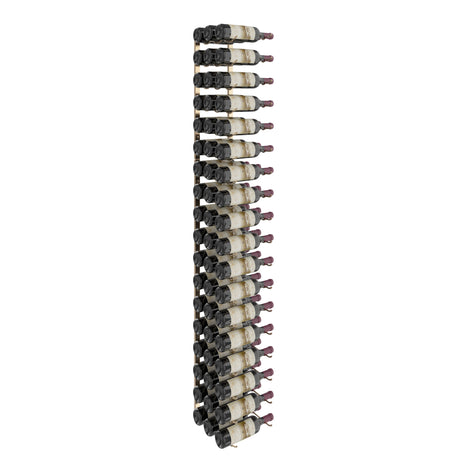
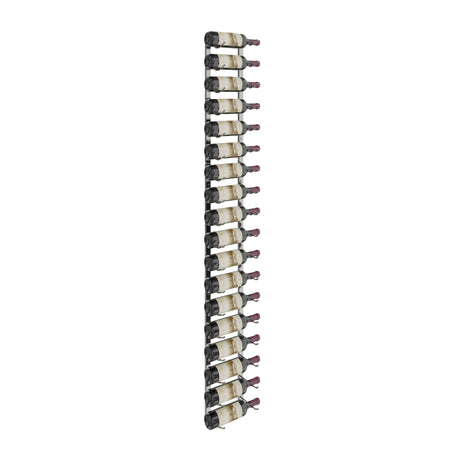
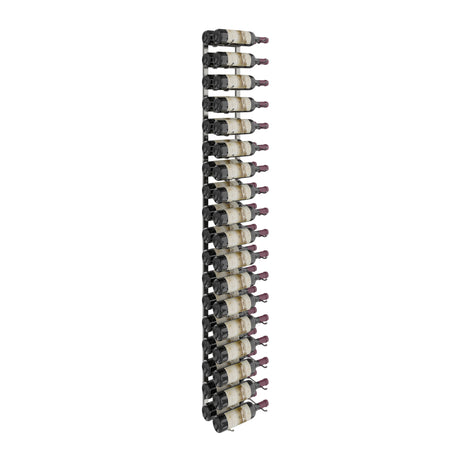
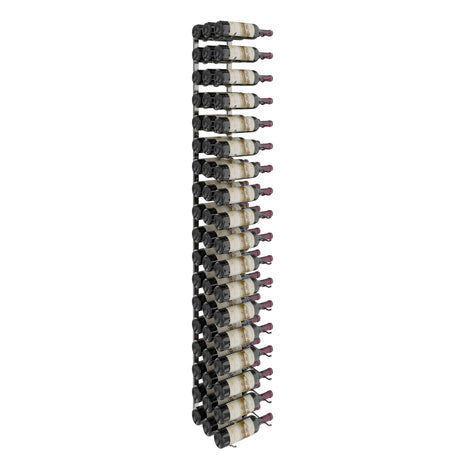
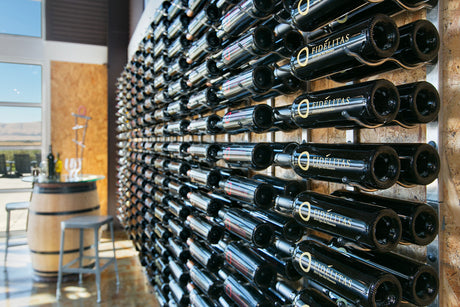
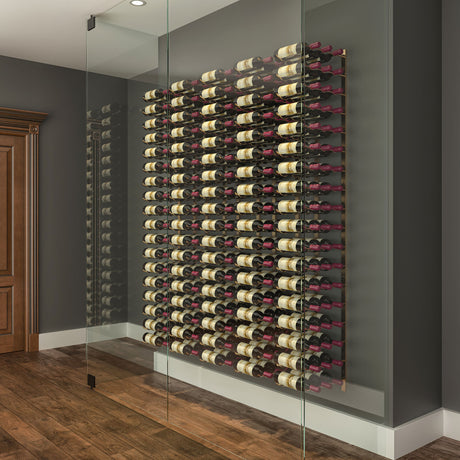
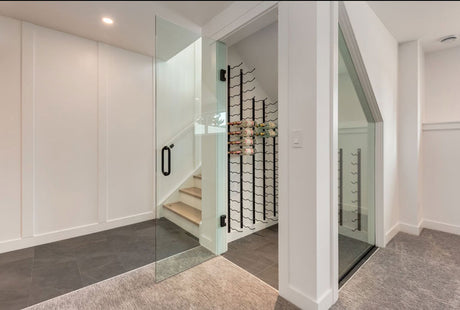
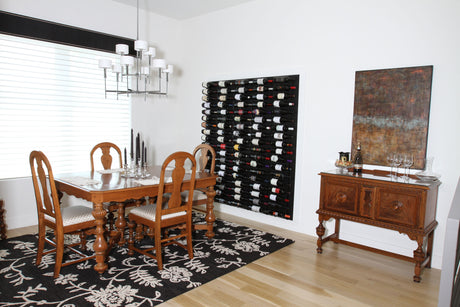
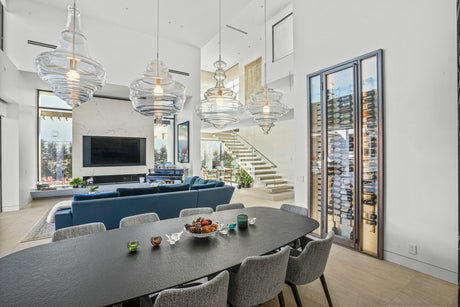
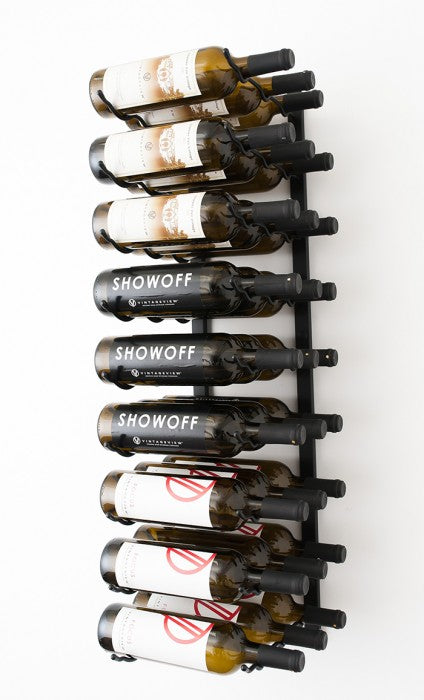
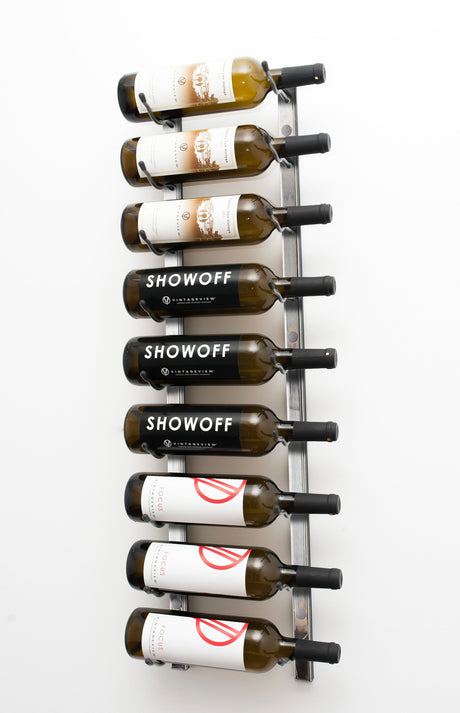
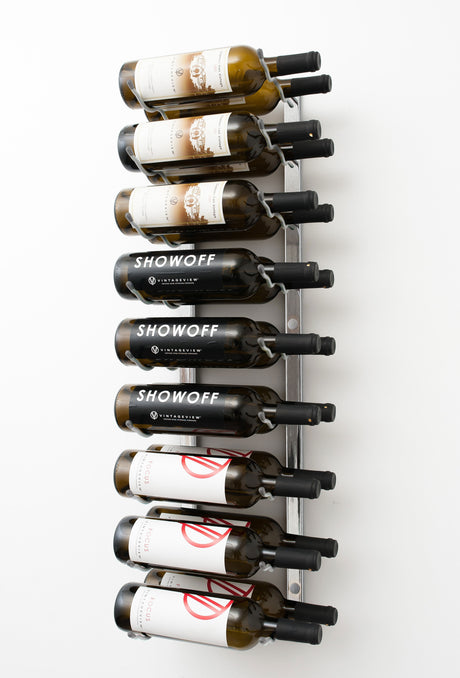
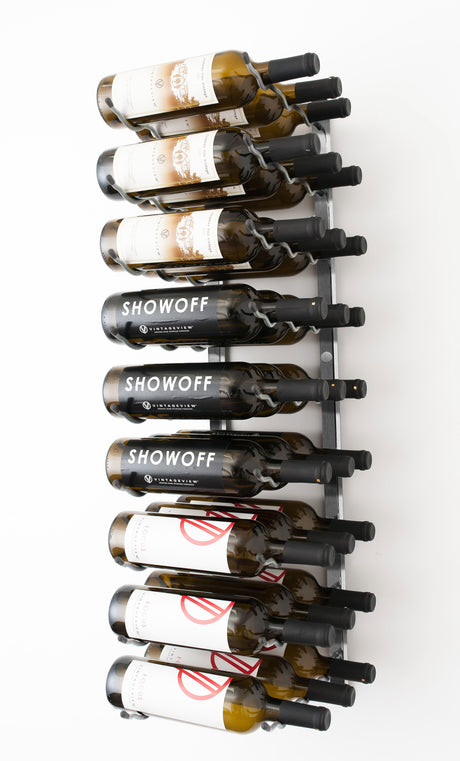
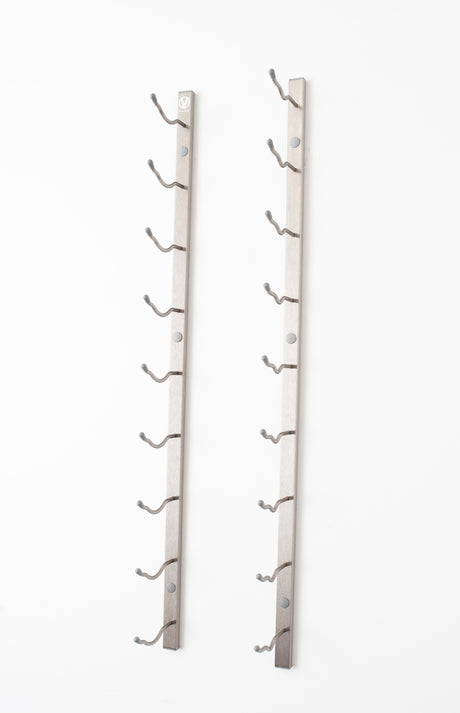
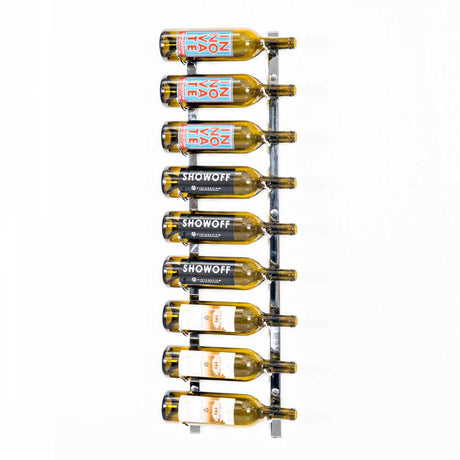
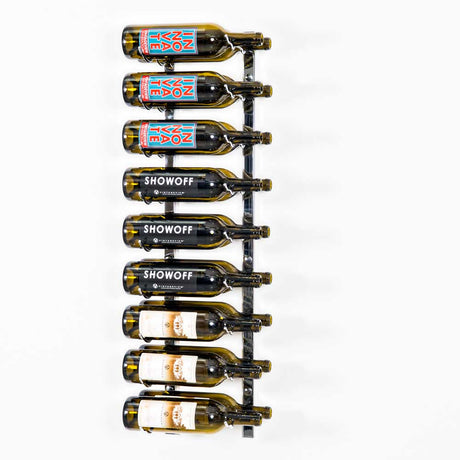
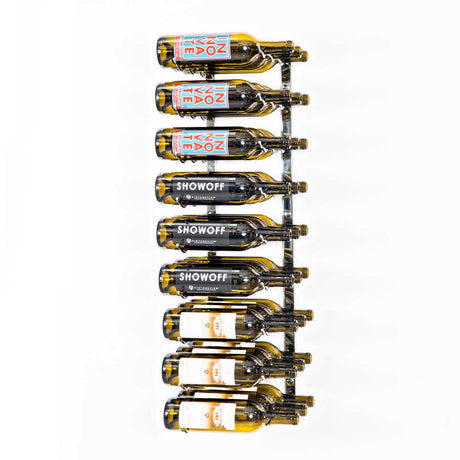
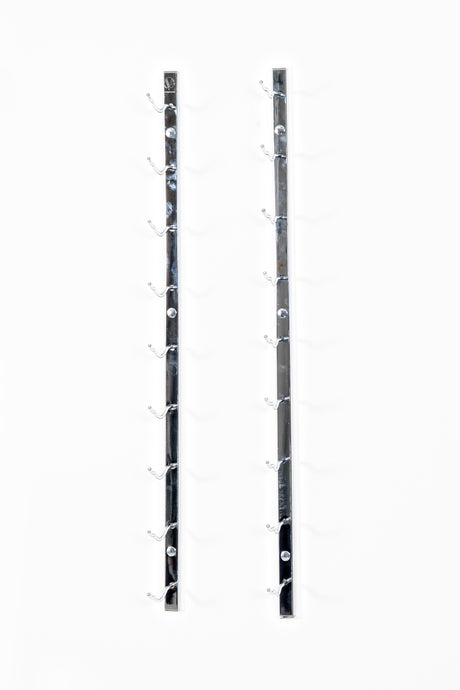
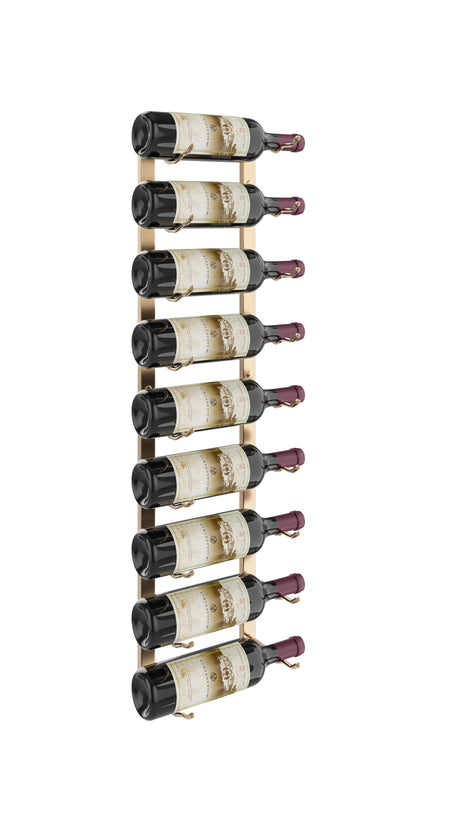
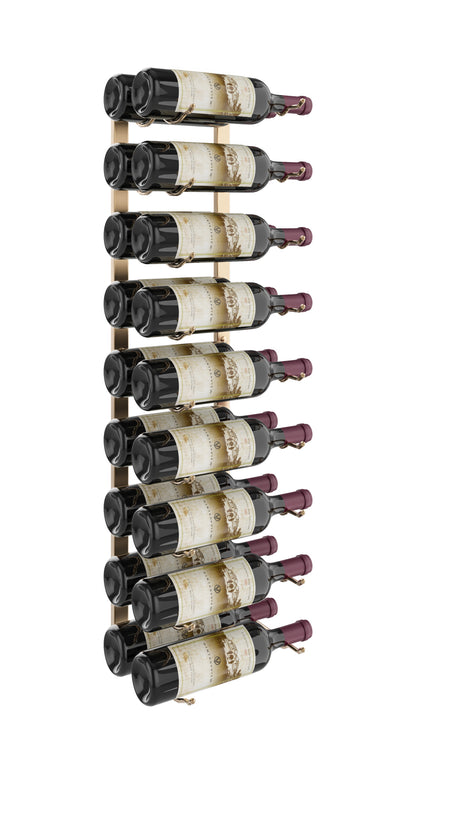
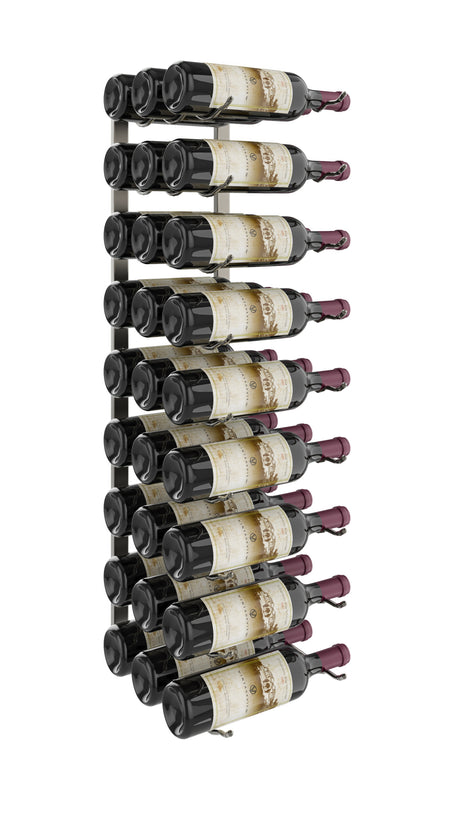
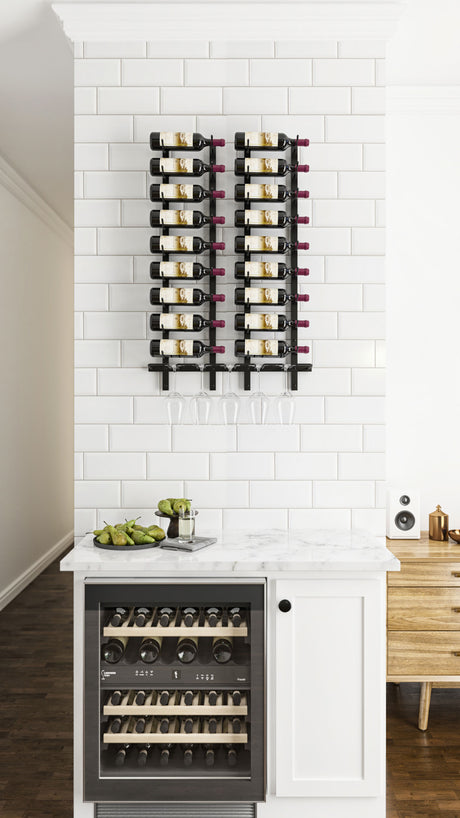
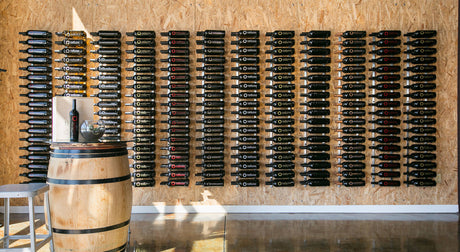
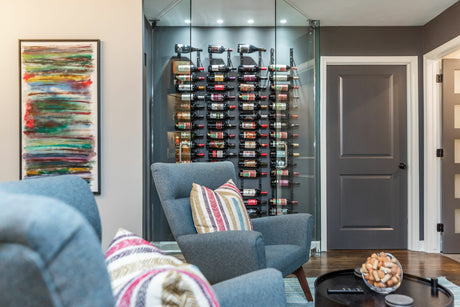
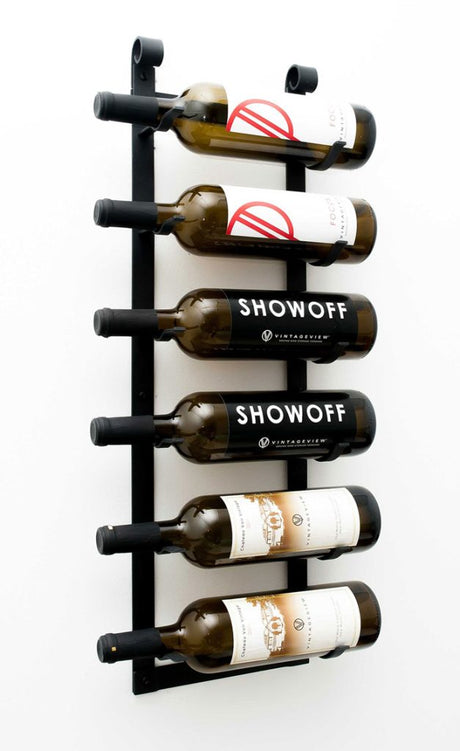
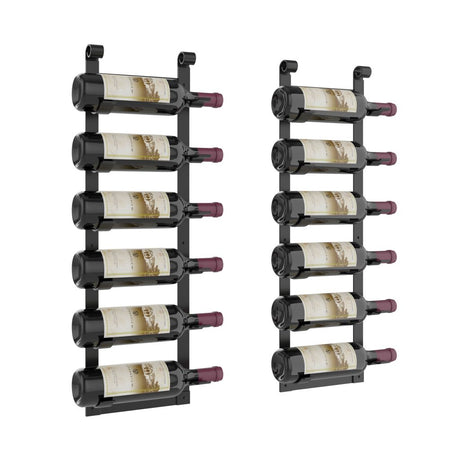
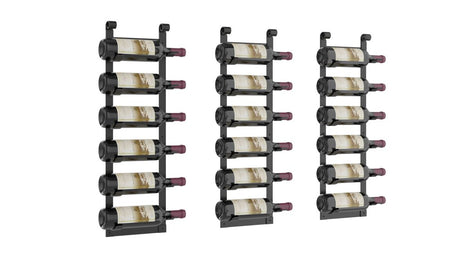
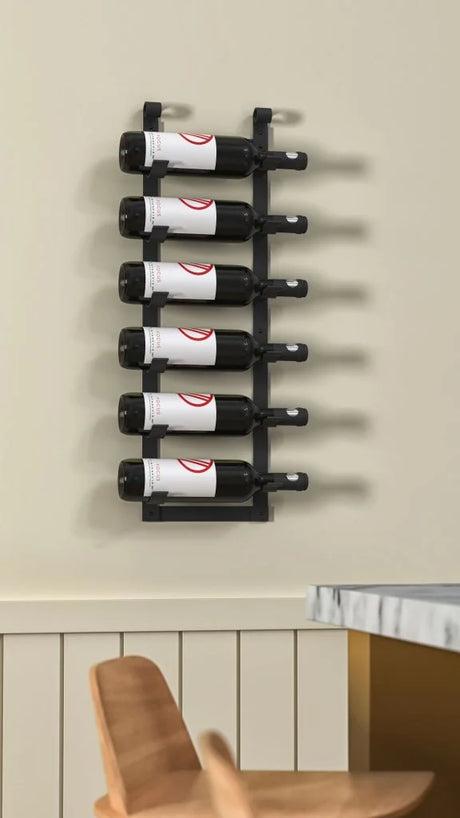
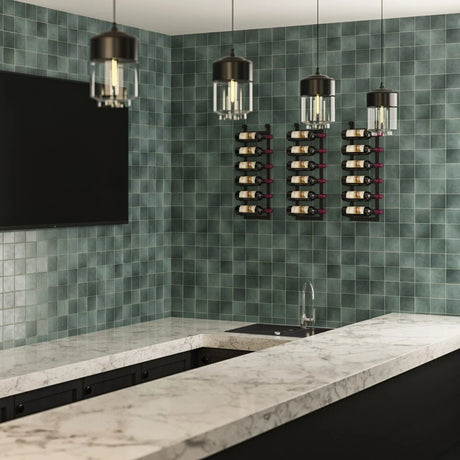
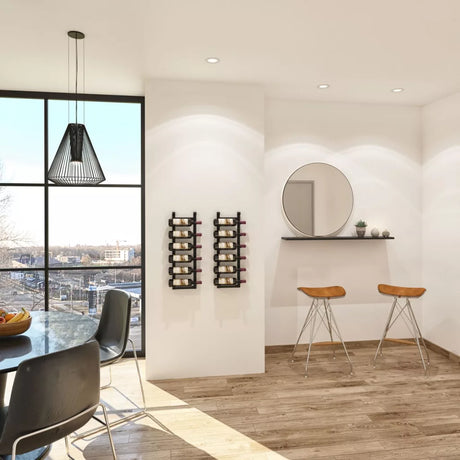
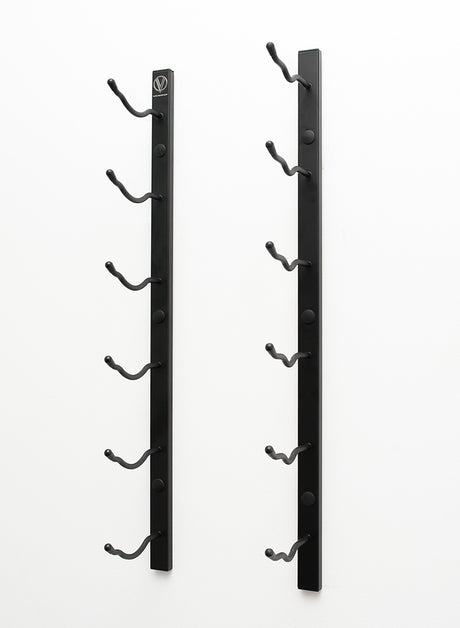
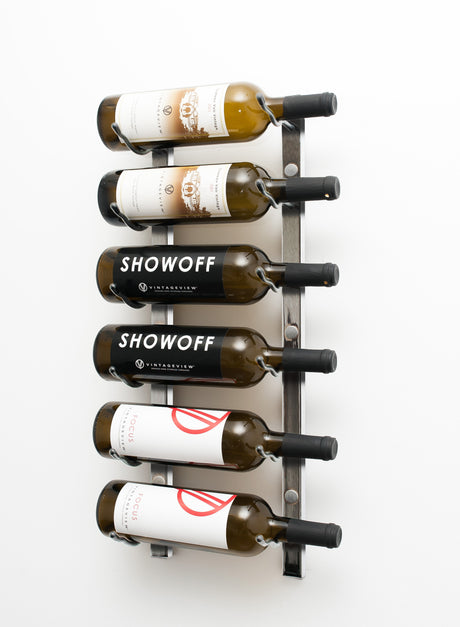
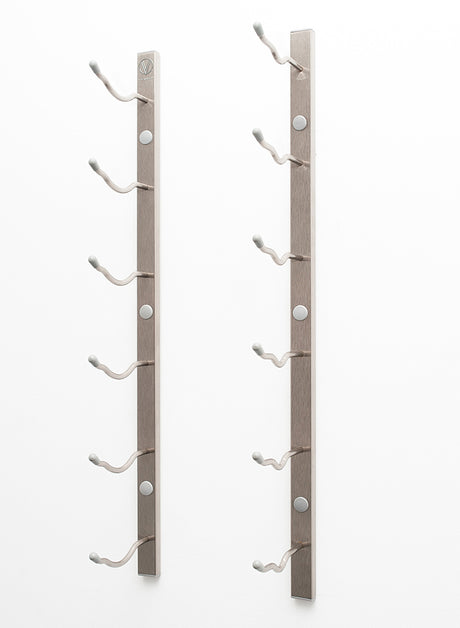
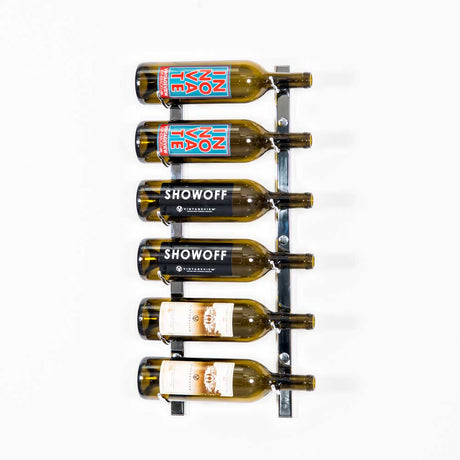
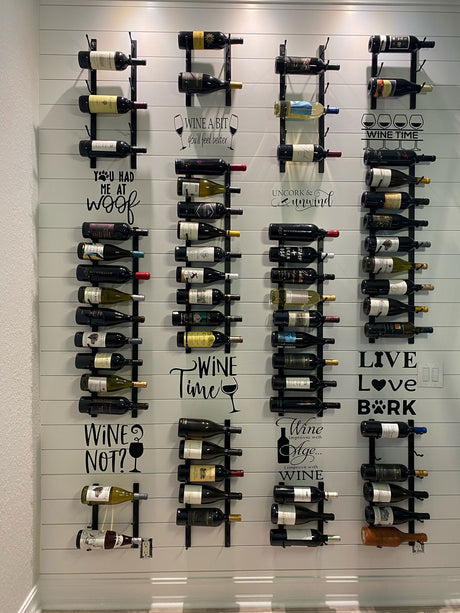
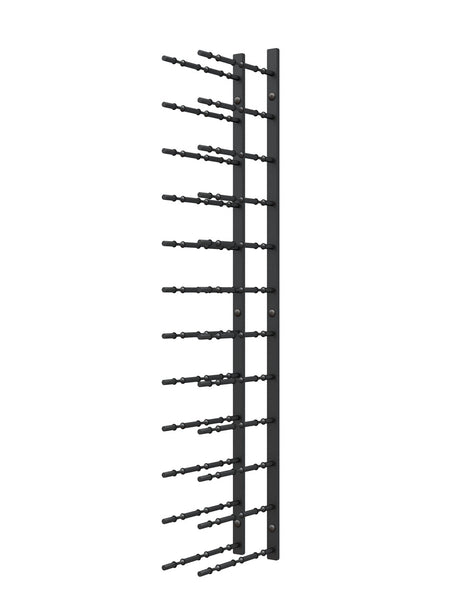
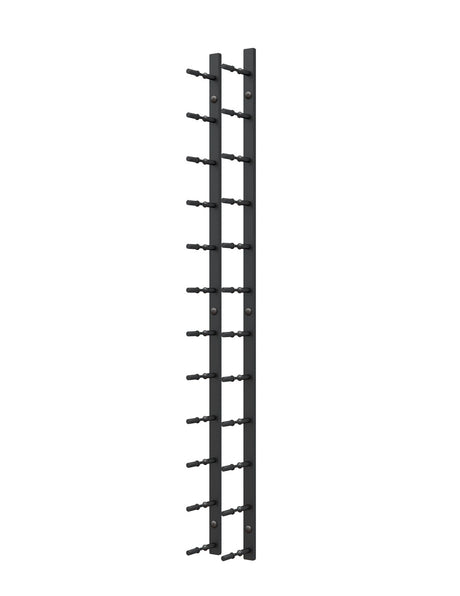
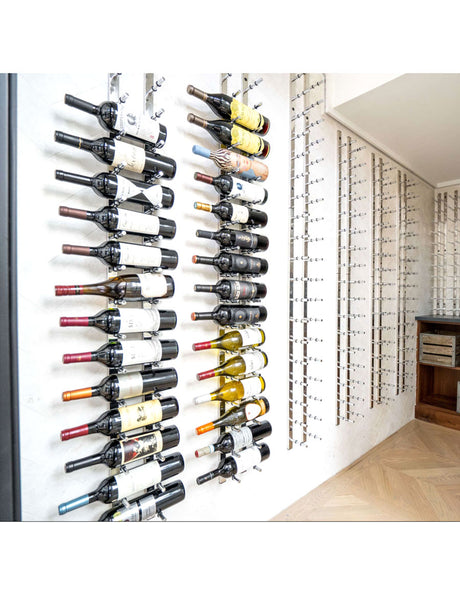
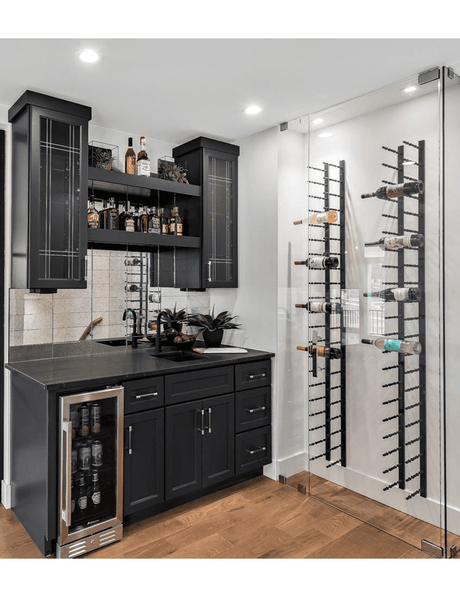
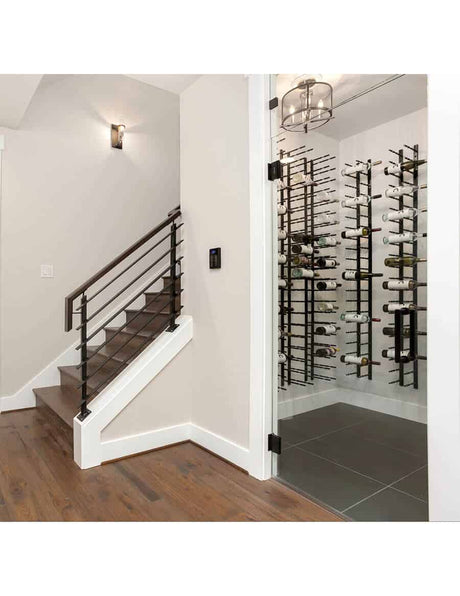
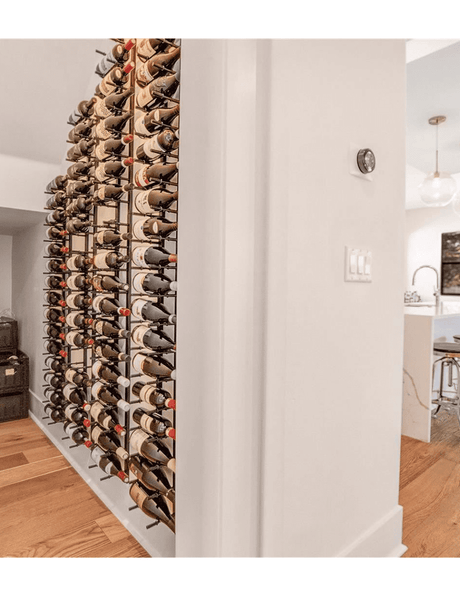
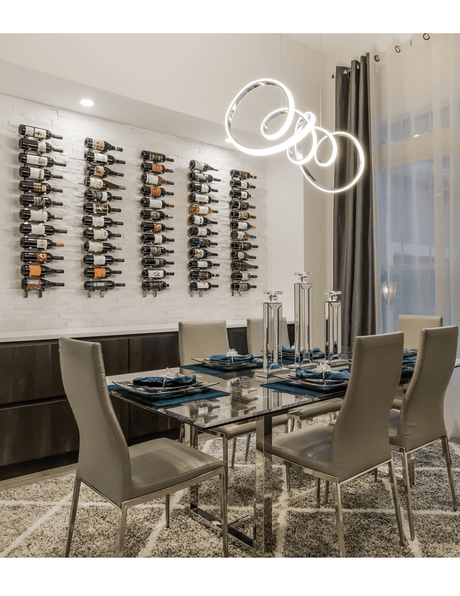
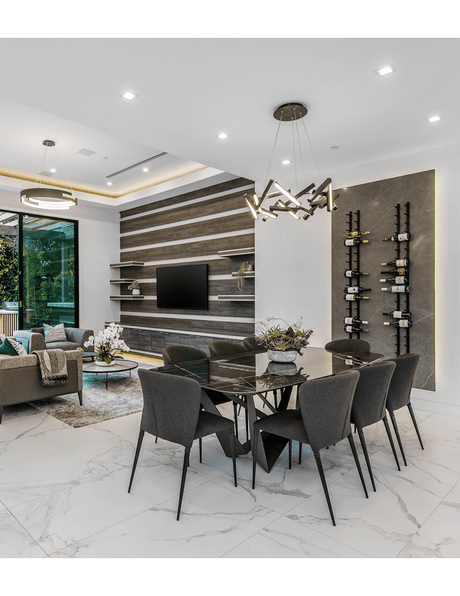
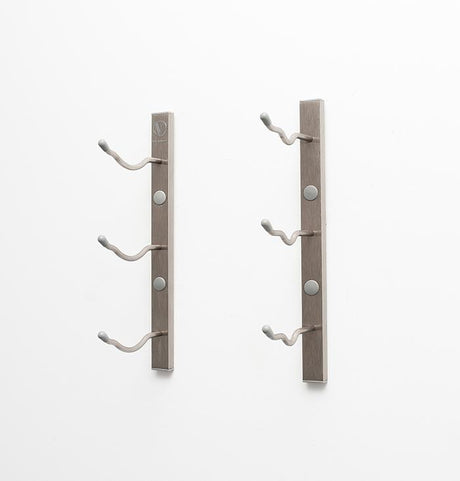
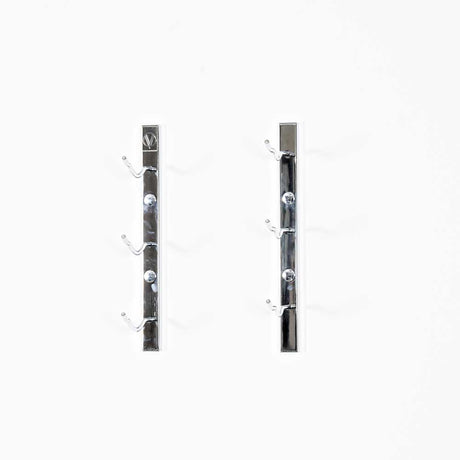
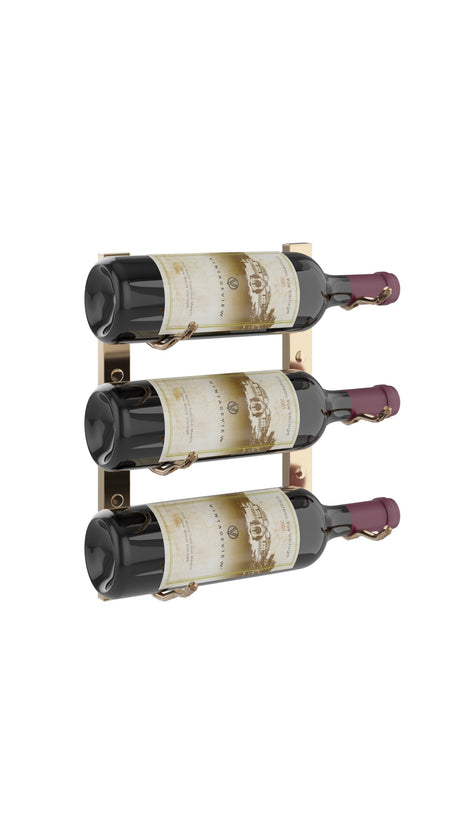
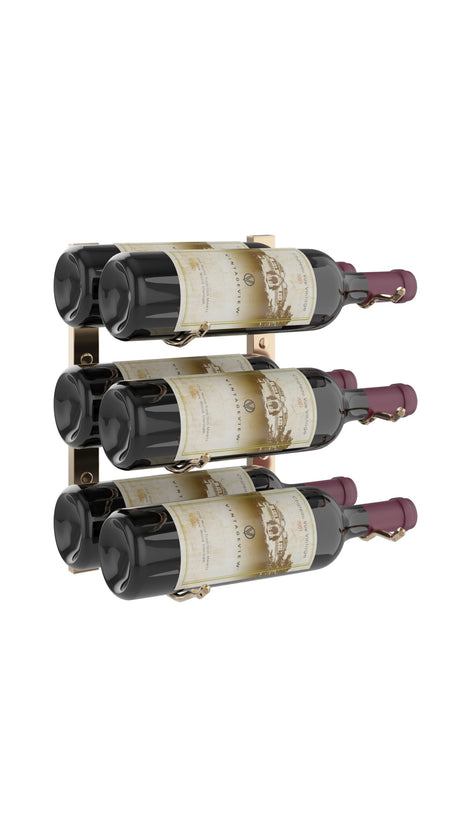
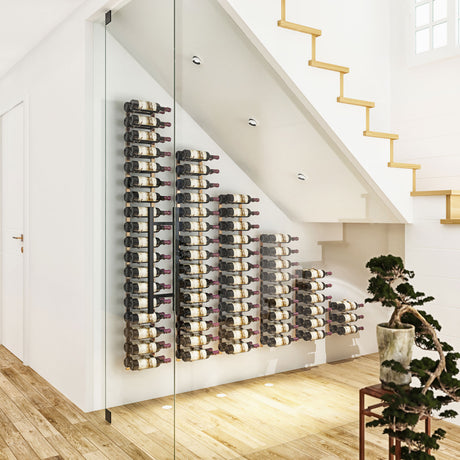
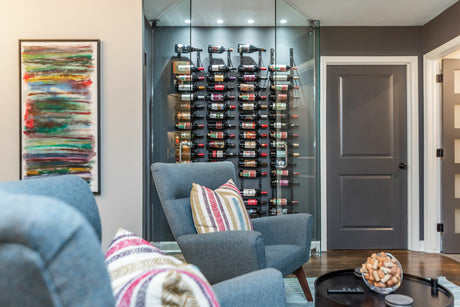
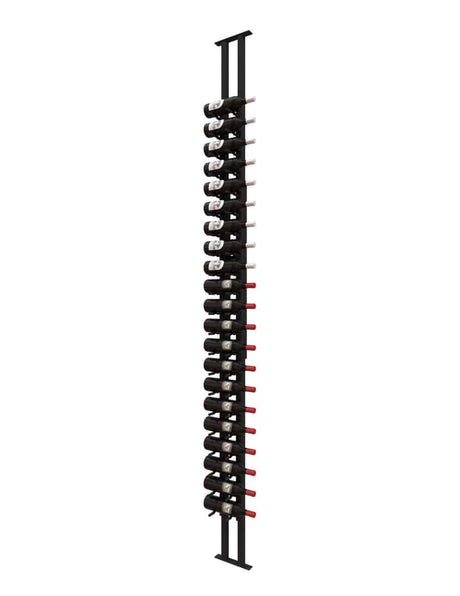
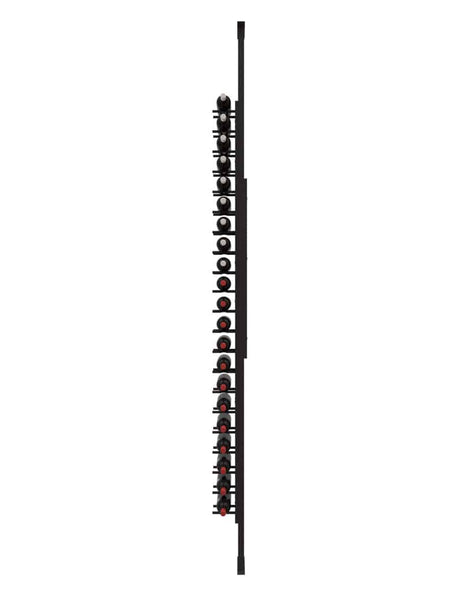
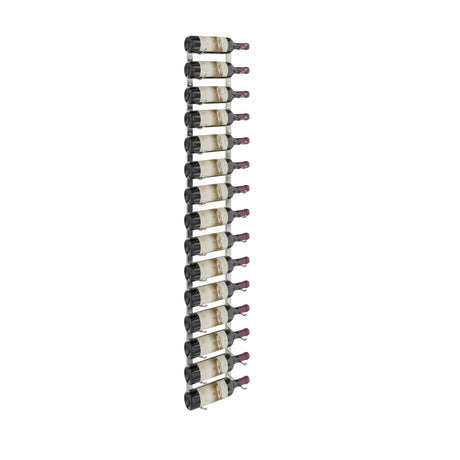
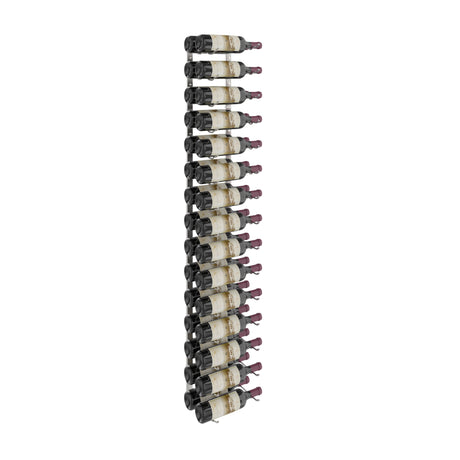
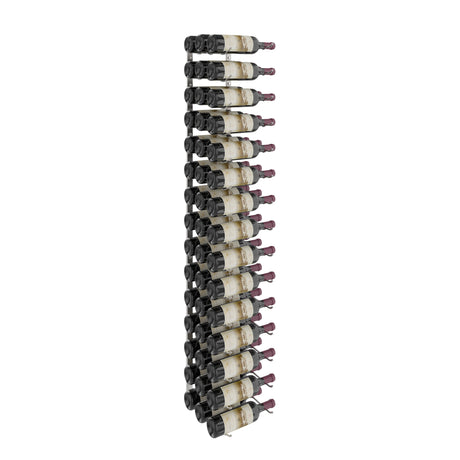
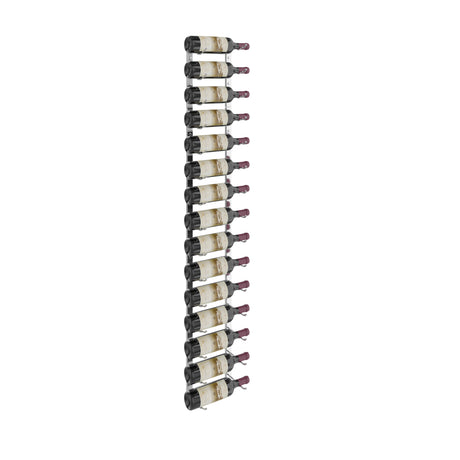
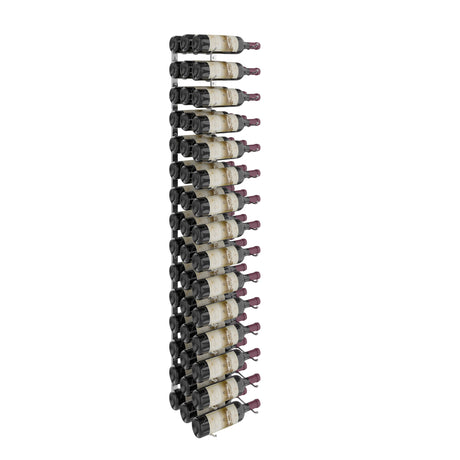
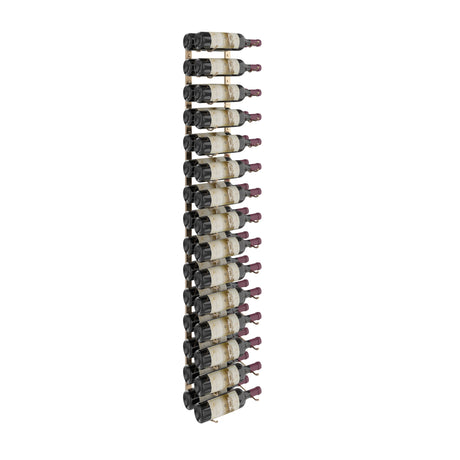
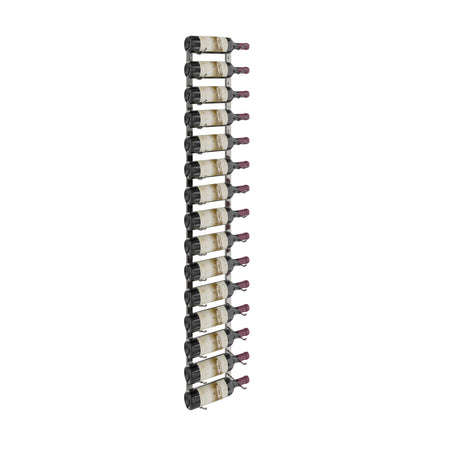
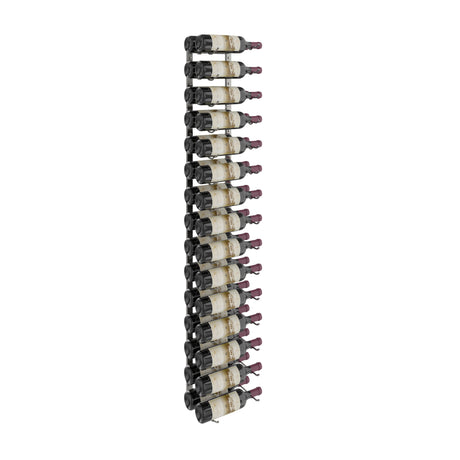
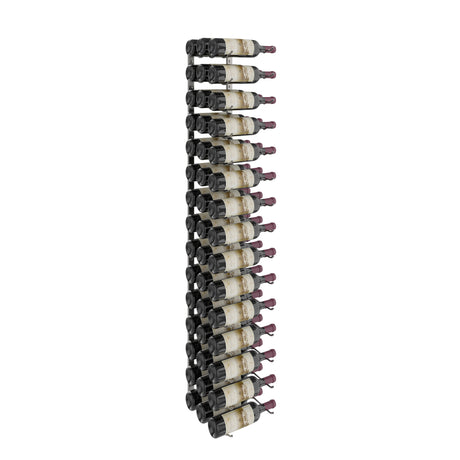
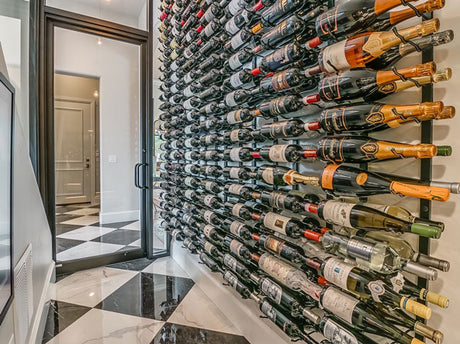
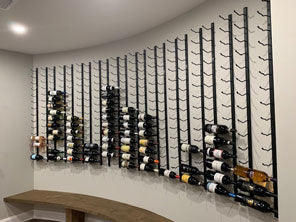
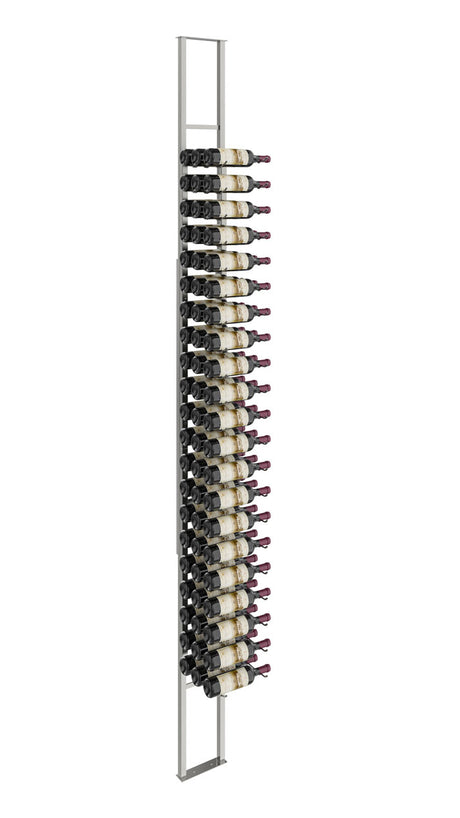
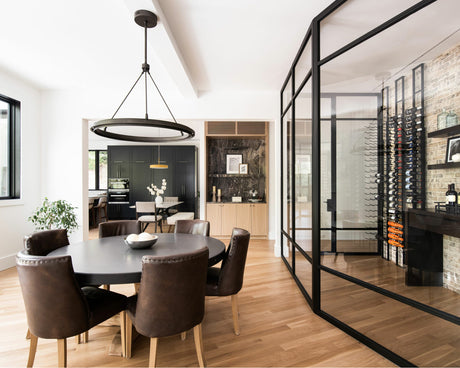
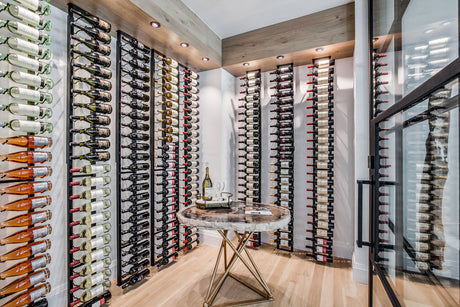
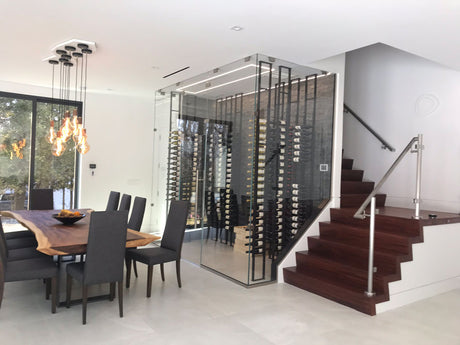
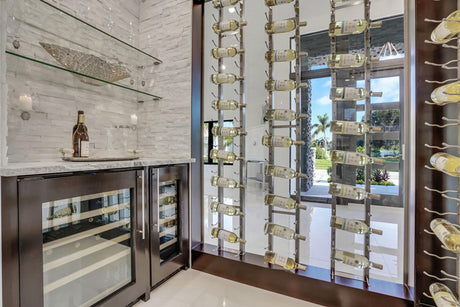
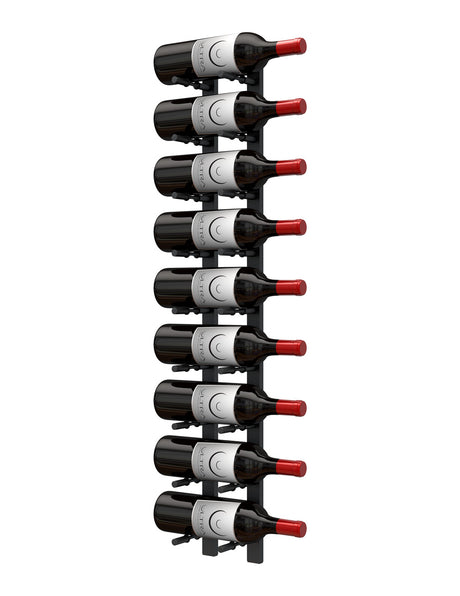
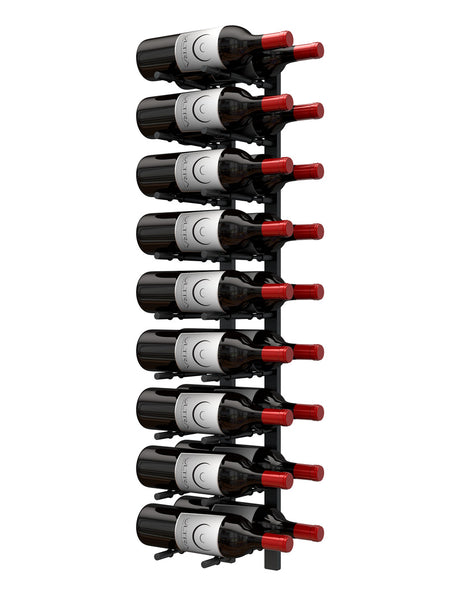
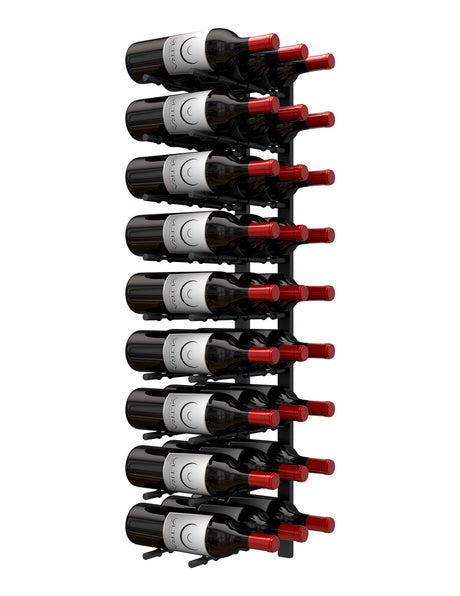
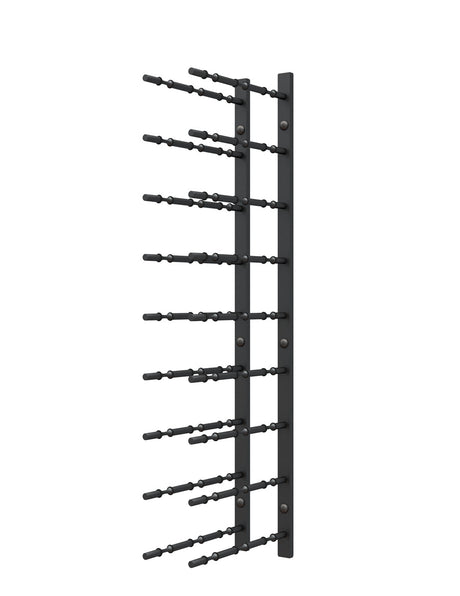
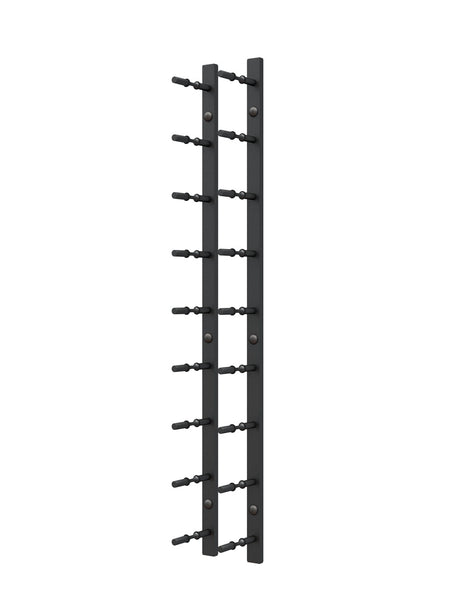
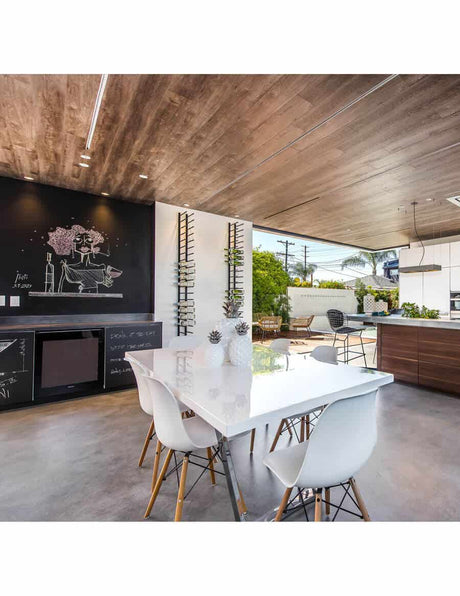
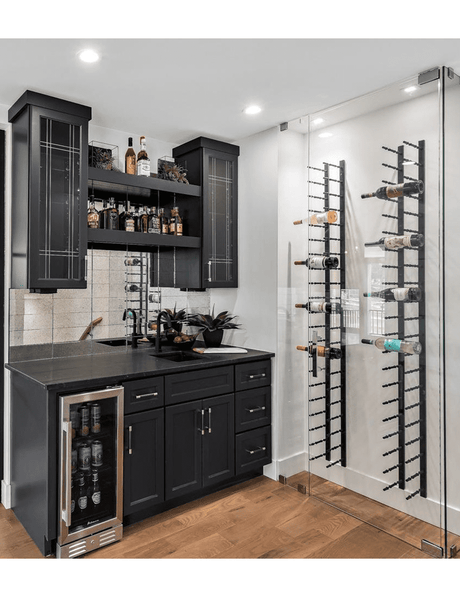
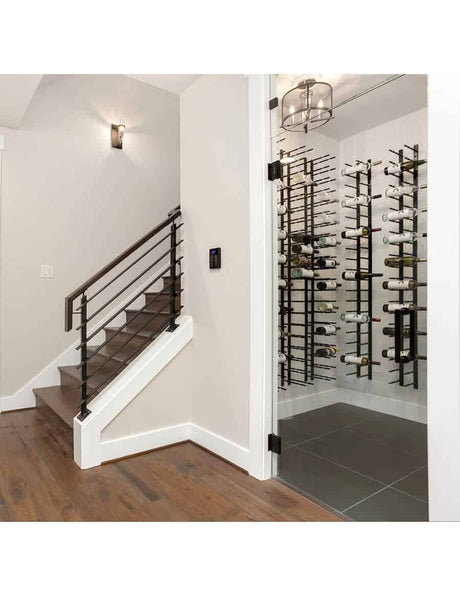
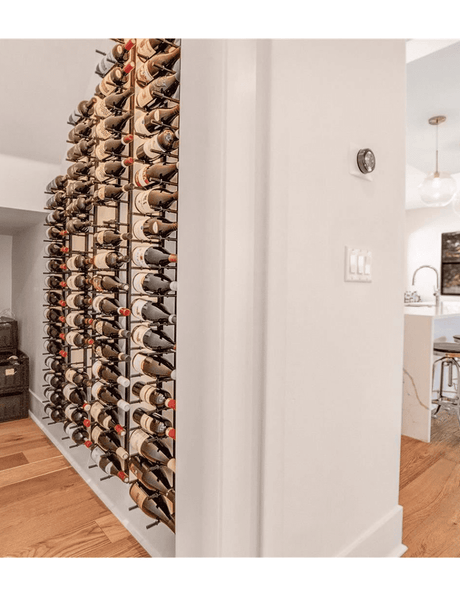
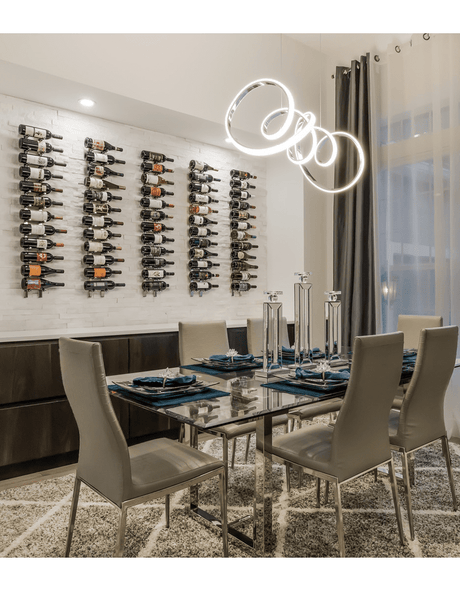
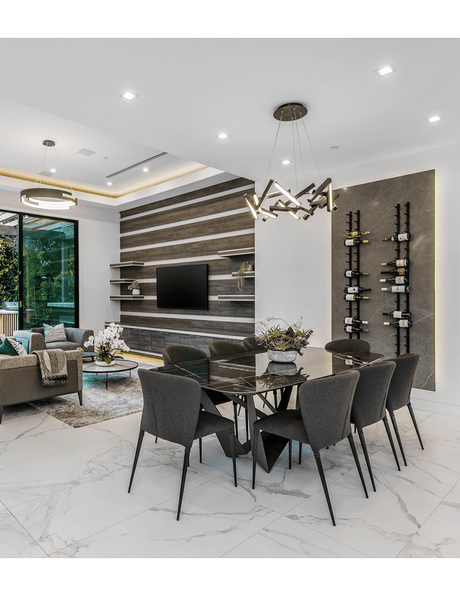
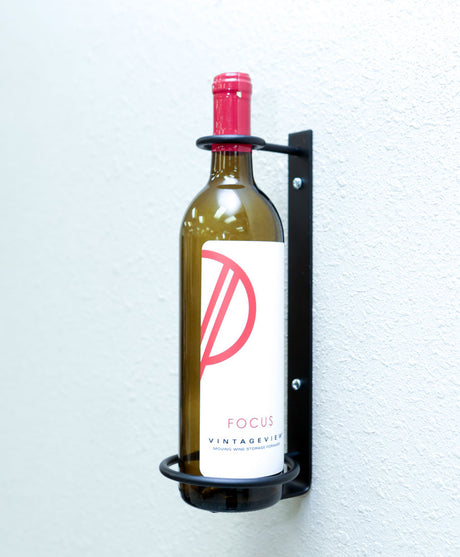
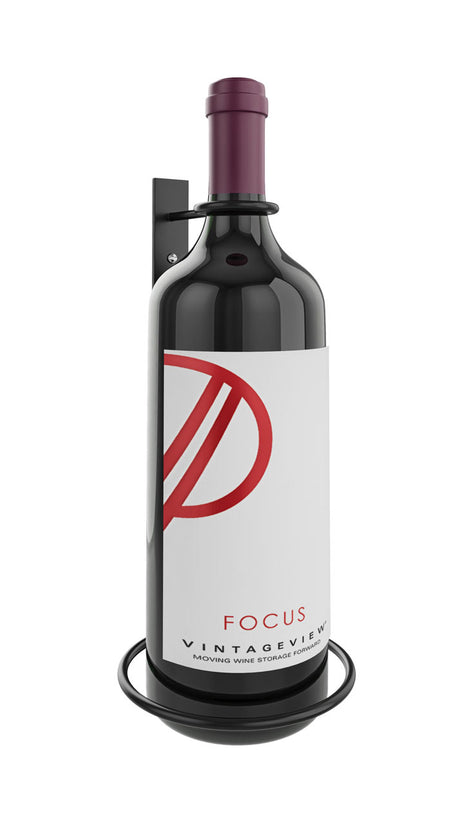
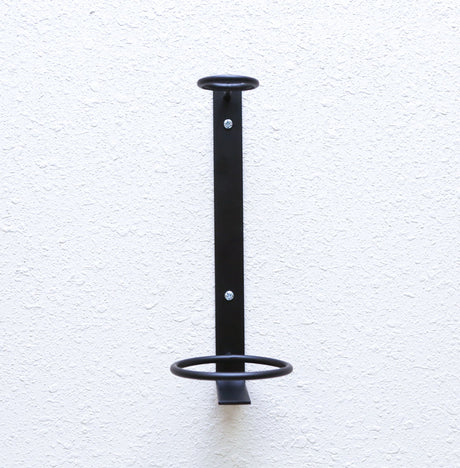
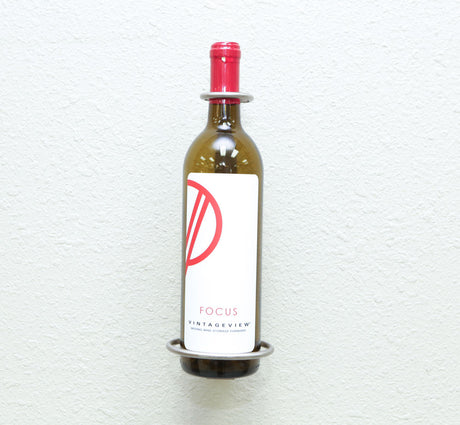
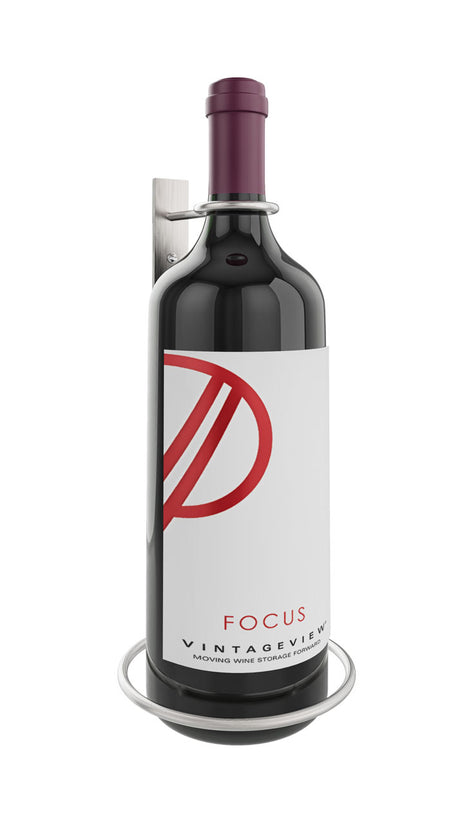
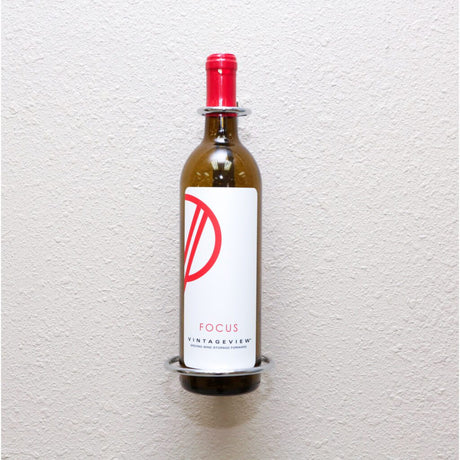
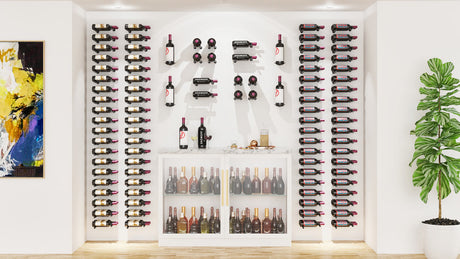
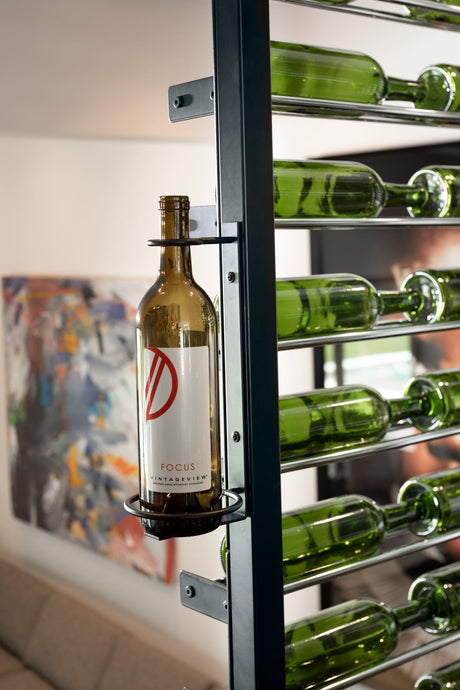
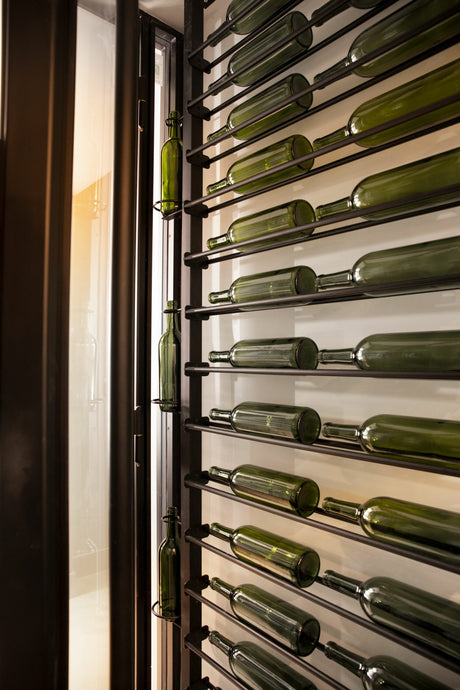
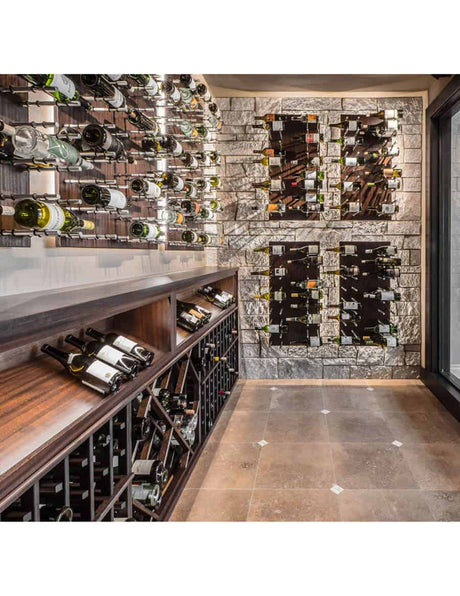
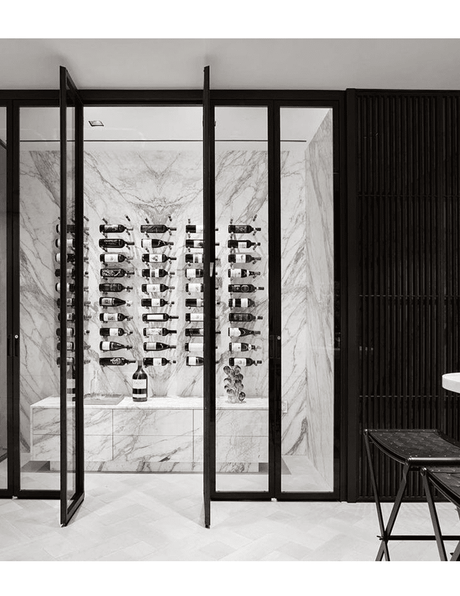
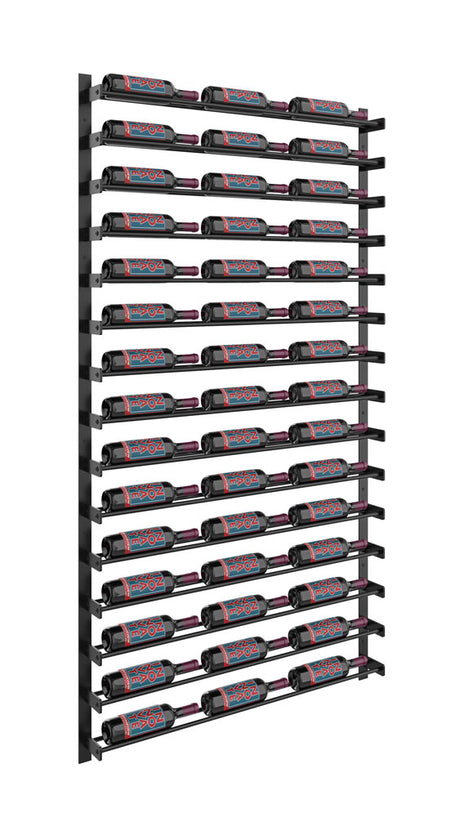
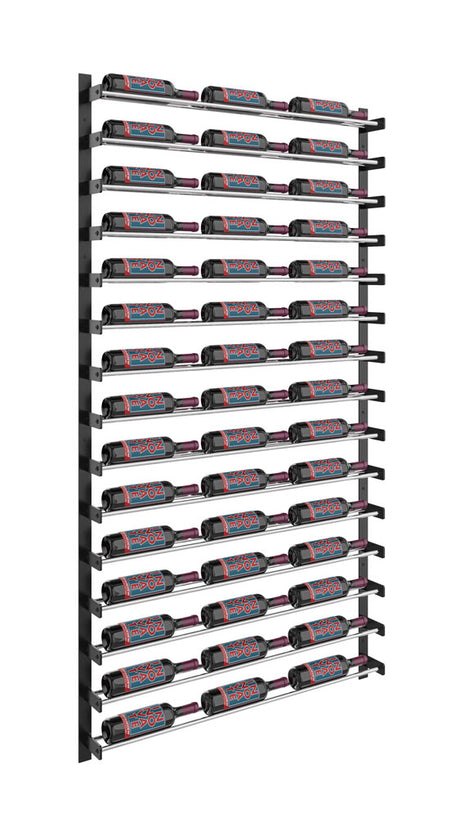
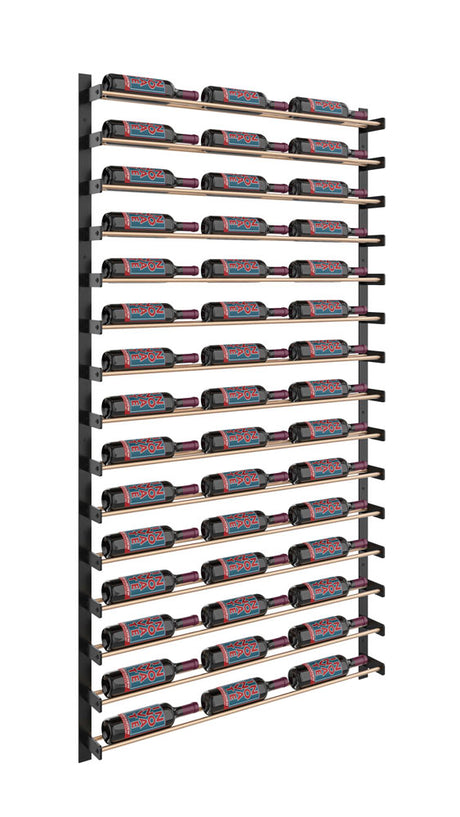
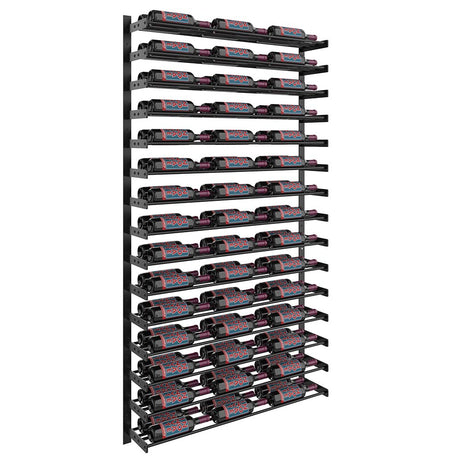
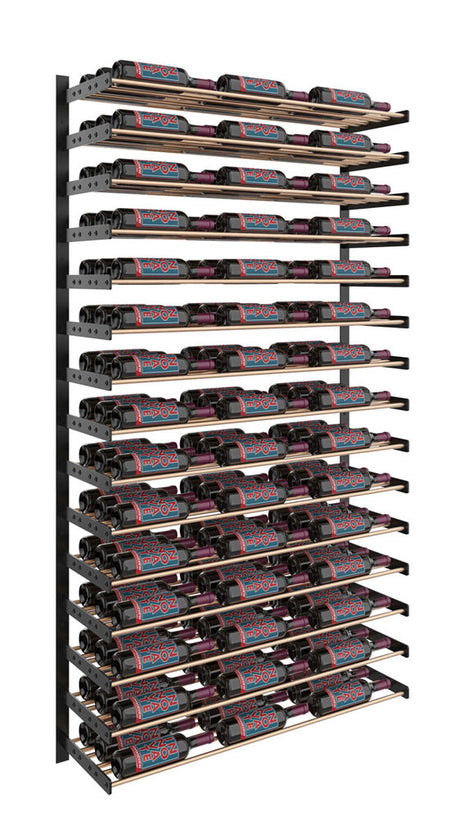
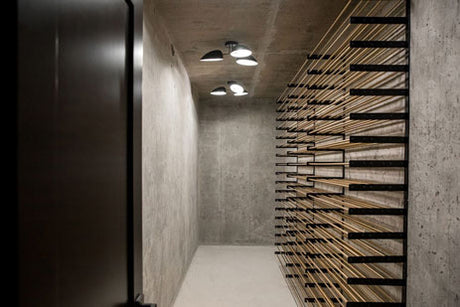
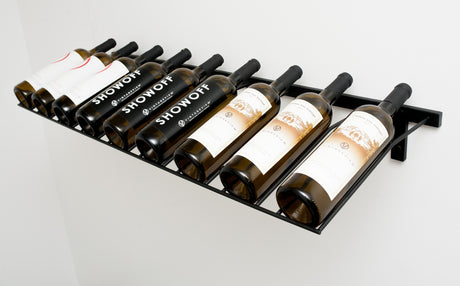
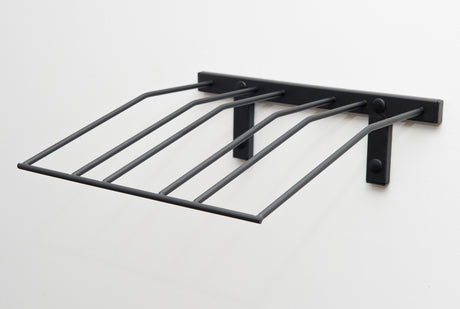
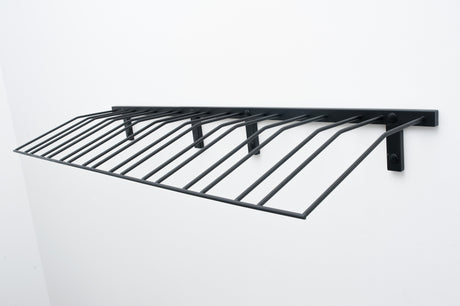
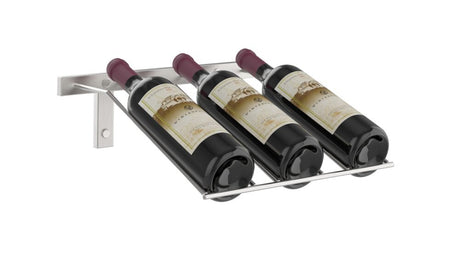
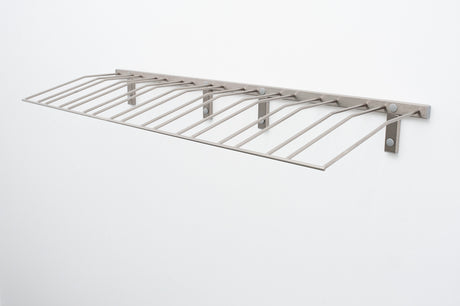
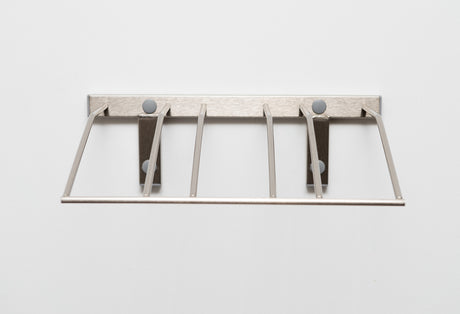
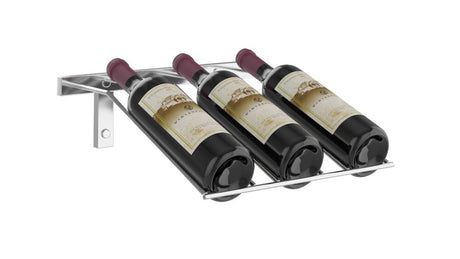
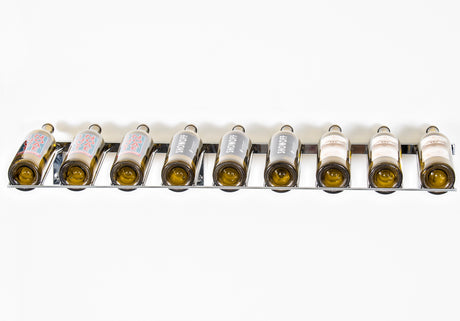
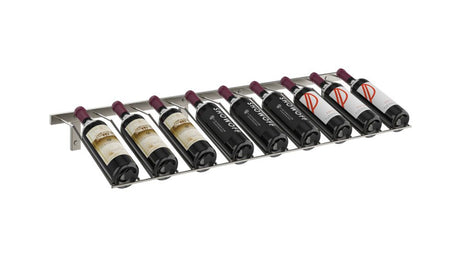
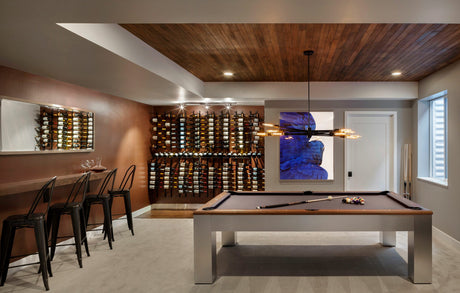
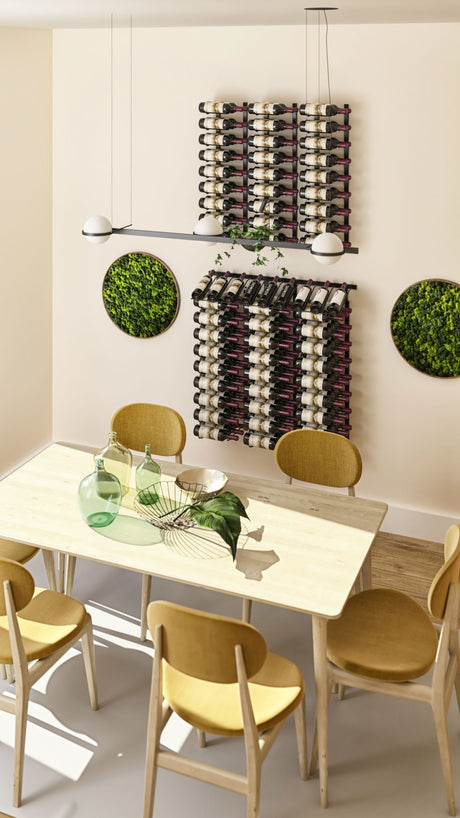
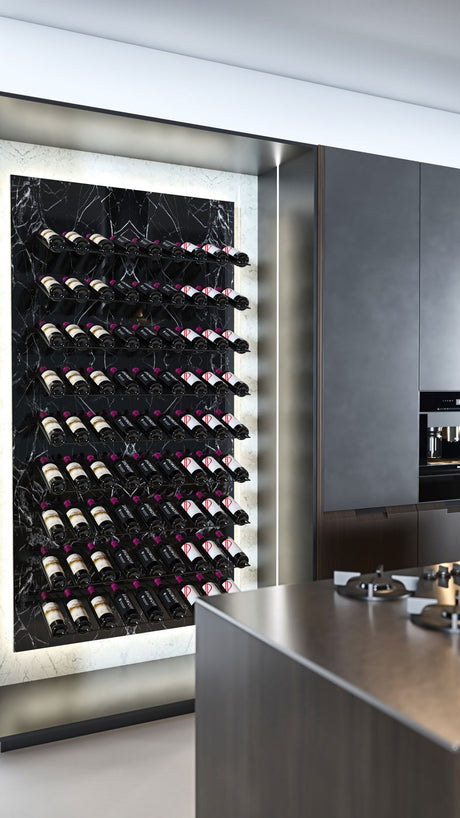
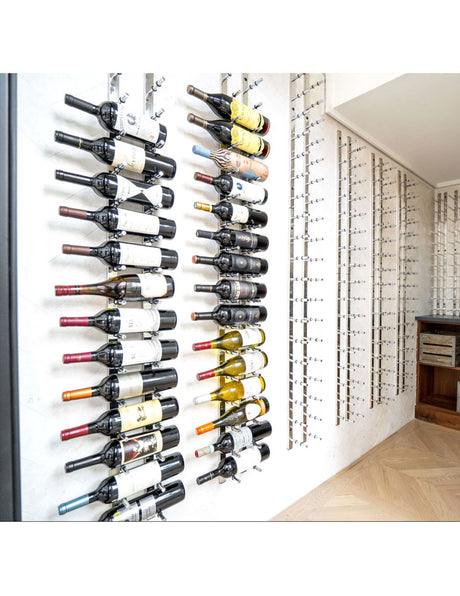
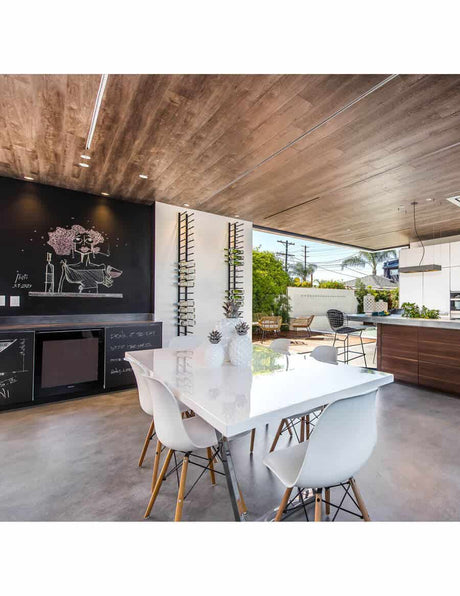
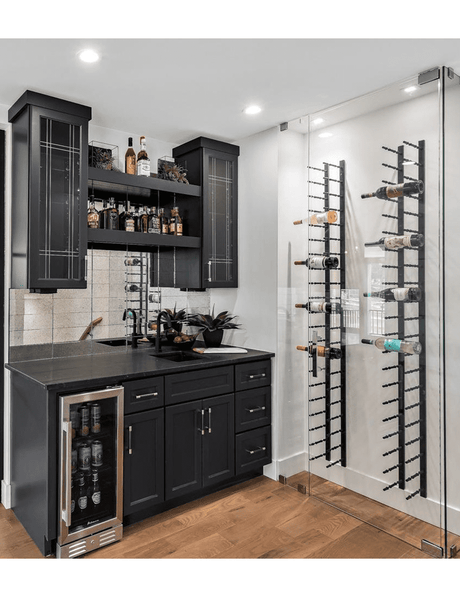
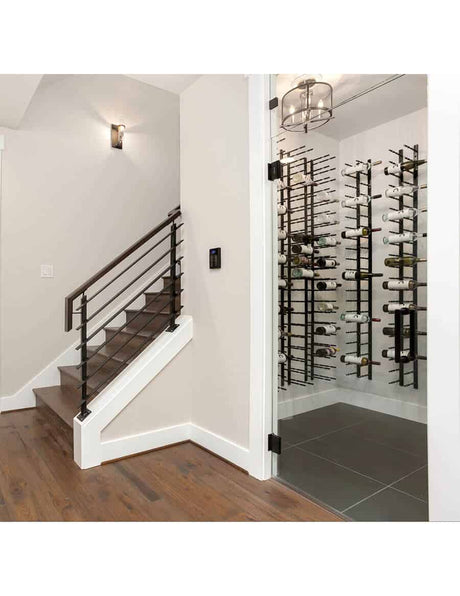
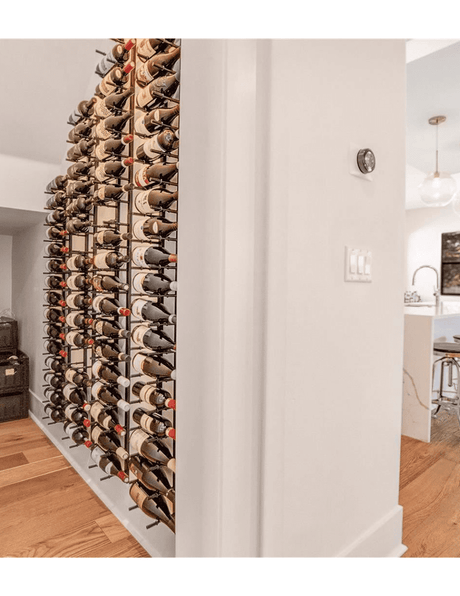
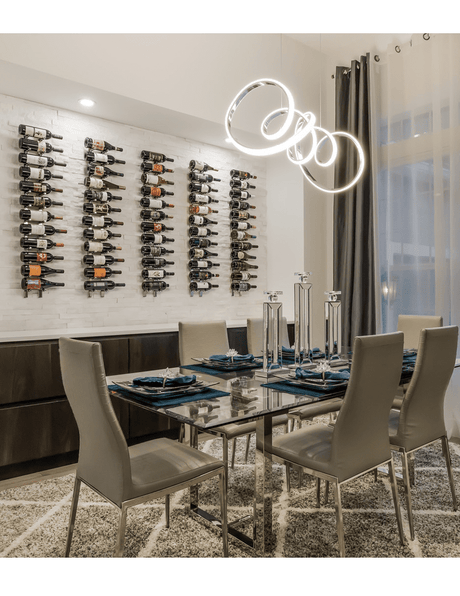
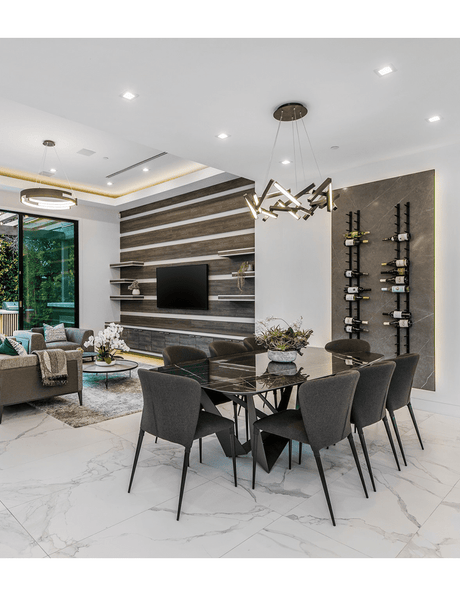
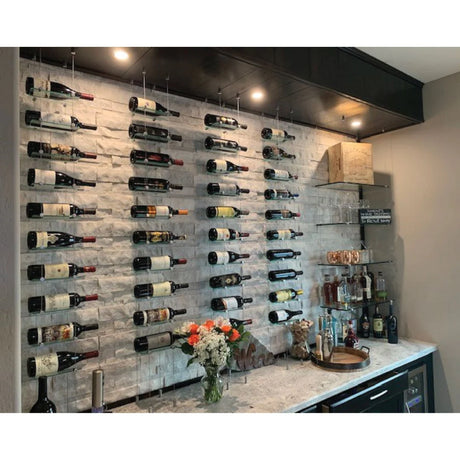
Attach directly to wall studs or masonry. The most space-efficient option for modern homes — frees up floor space entirely. Best for homeowners wanting a permanent, display-quality installation.


Freestanding Wine Racks
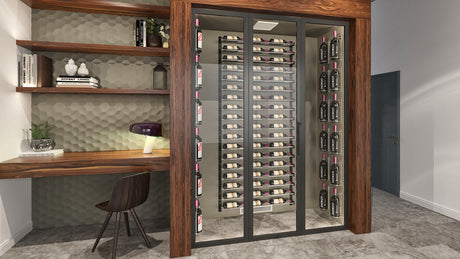
Floor-standing units requiring no wall attachment and no drilling. Choose freestanding when you rent, cannot drill into walls, or need a high-capacity storage solution without committing to a permanent install.


Modular Wine Racks
Expand gradually as your collection grows. No wall attachment required. A cost-efficient path for collectors building out a cellar incrementally.


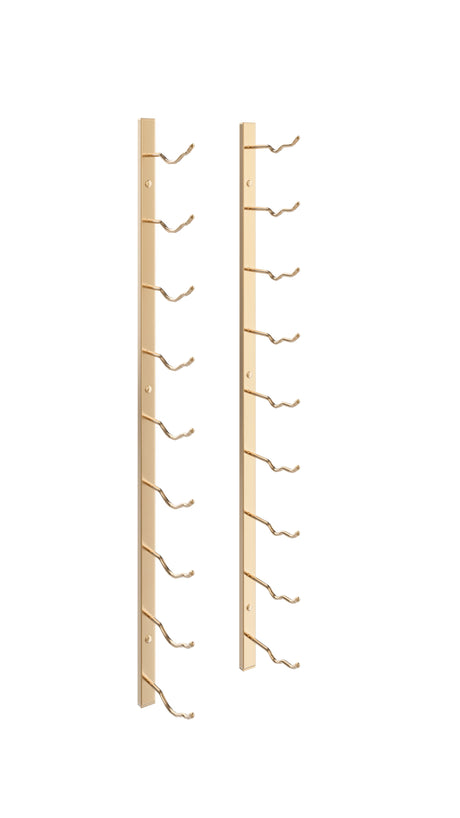
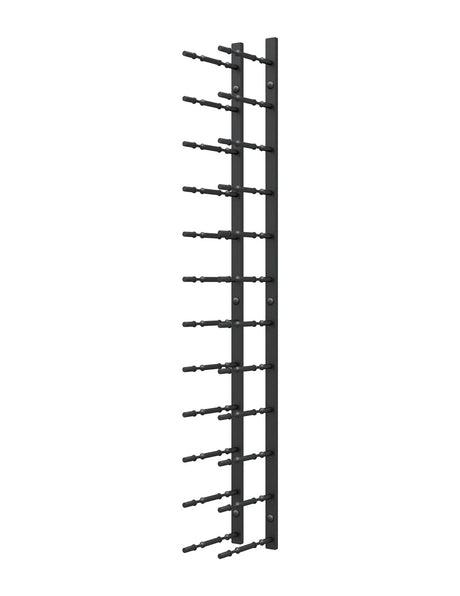
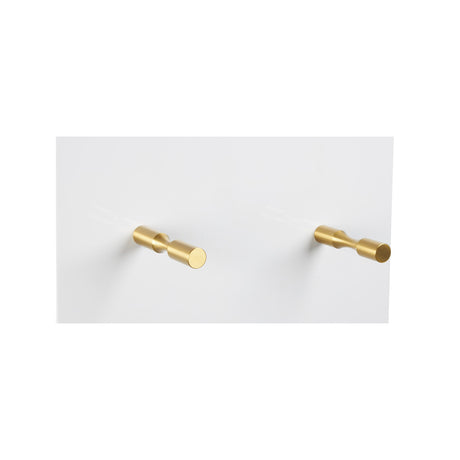
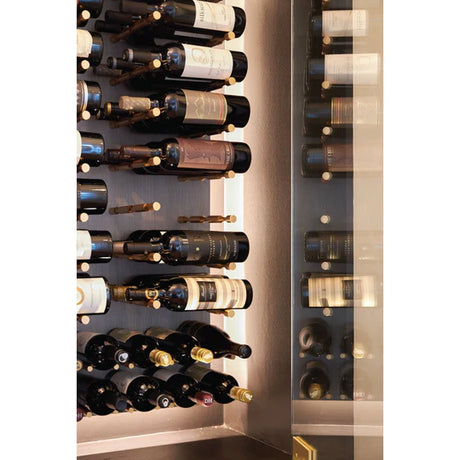
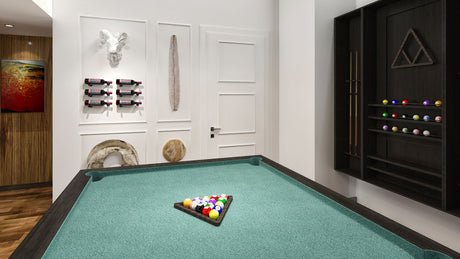
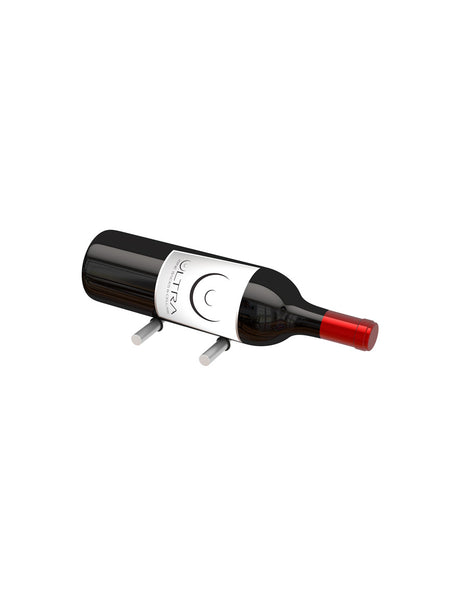
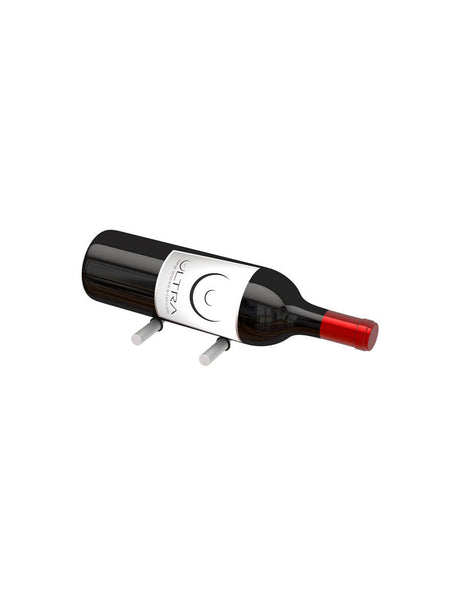
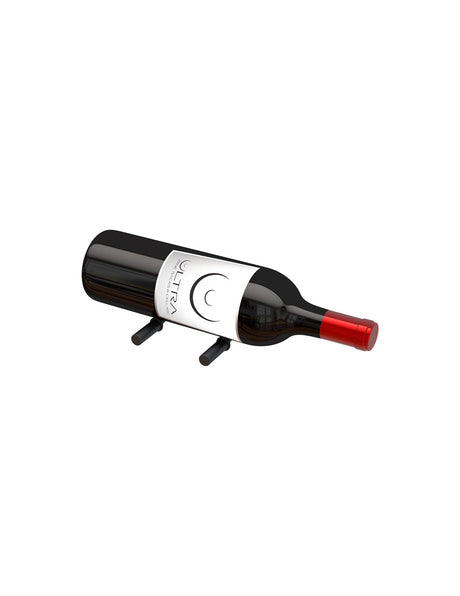
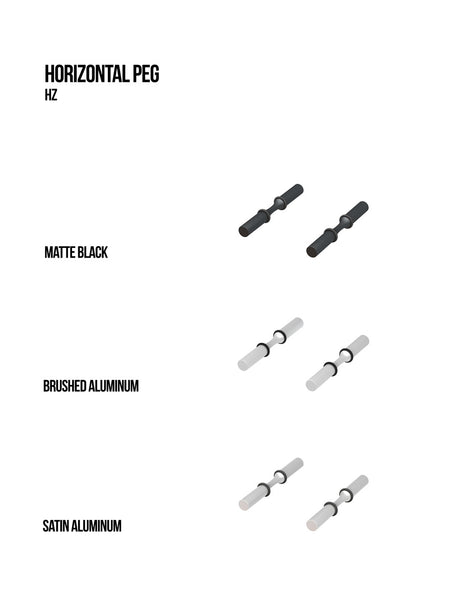
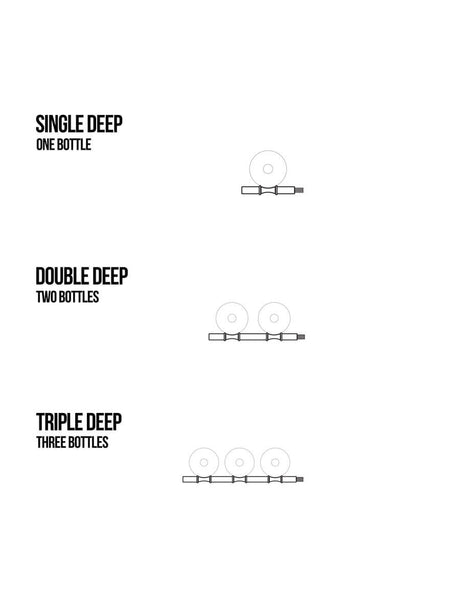
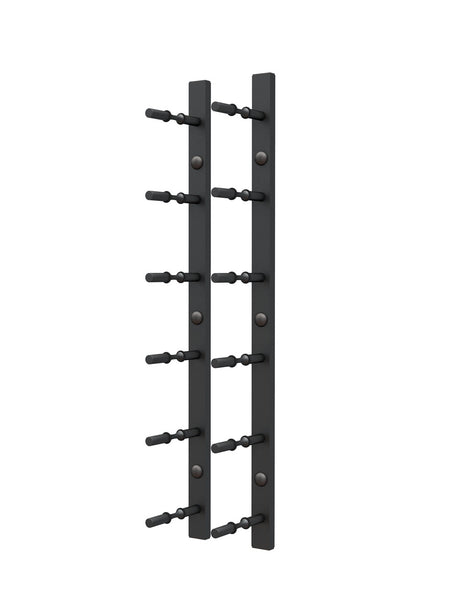
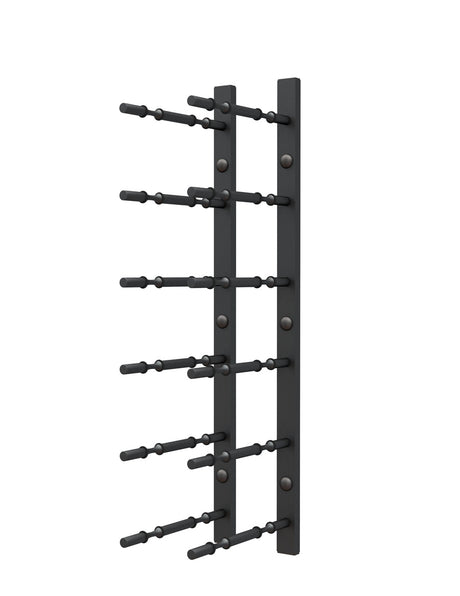
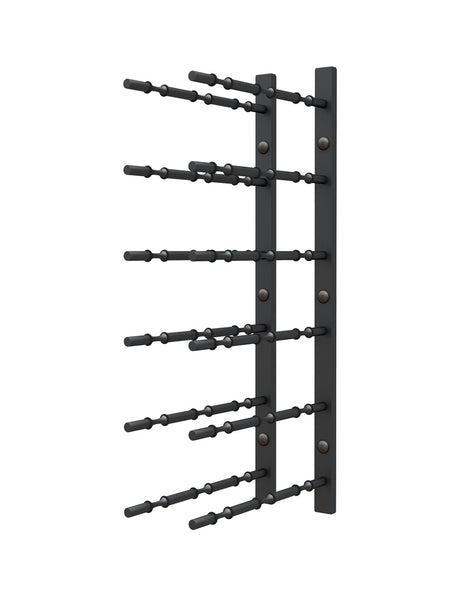
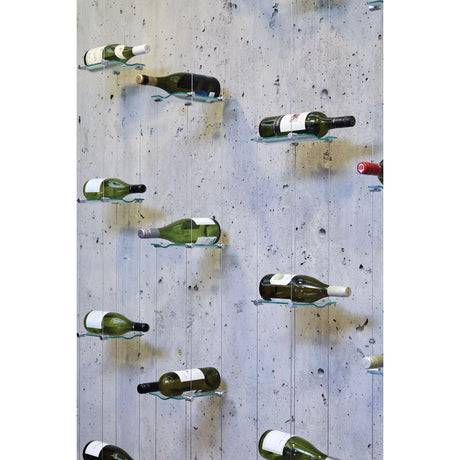
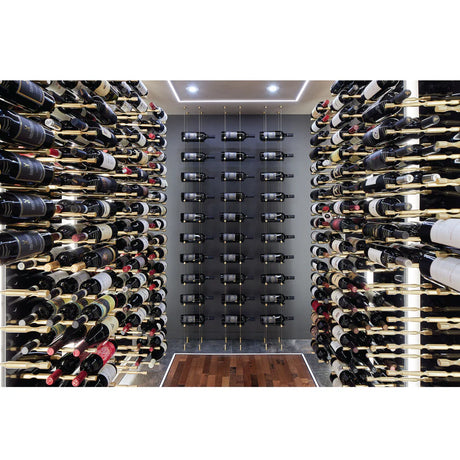
Wine Pegs
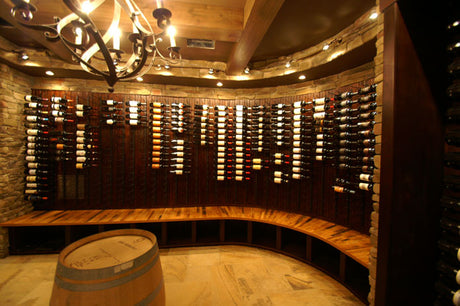
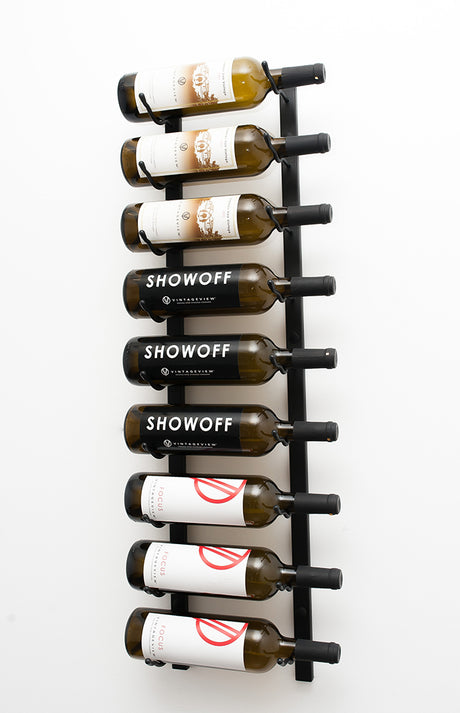
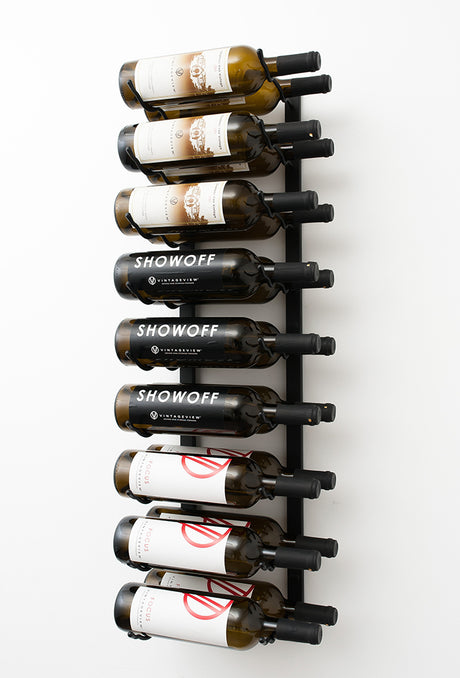
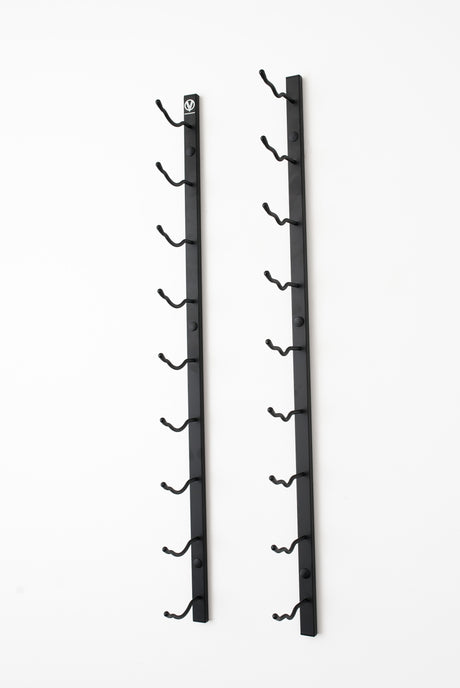
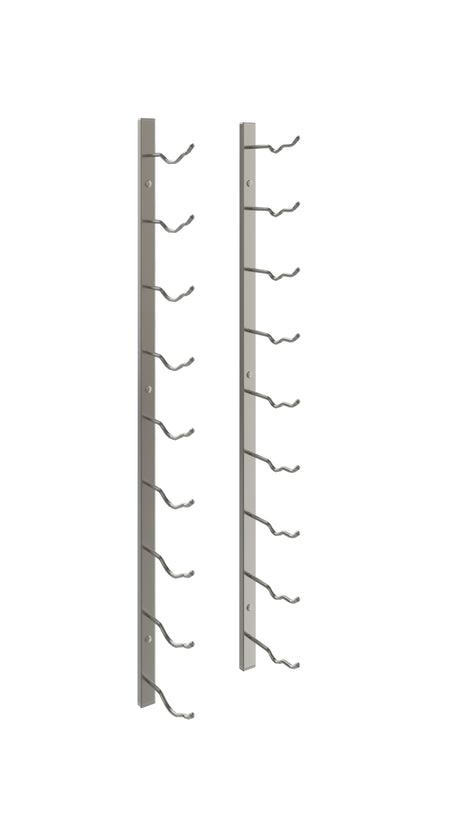
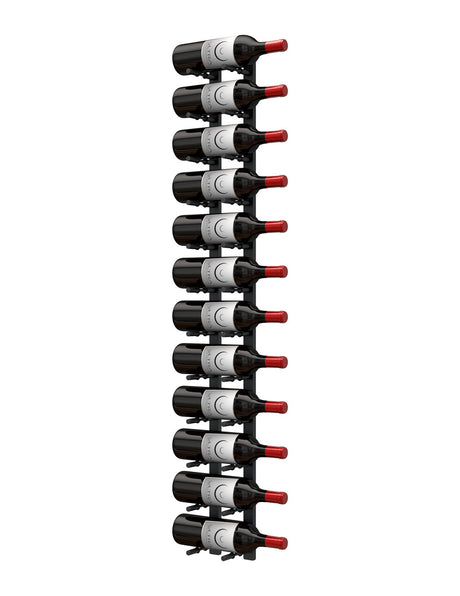
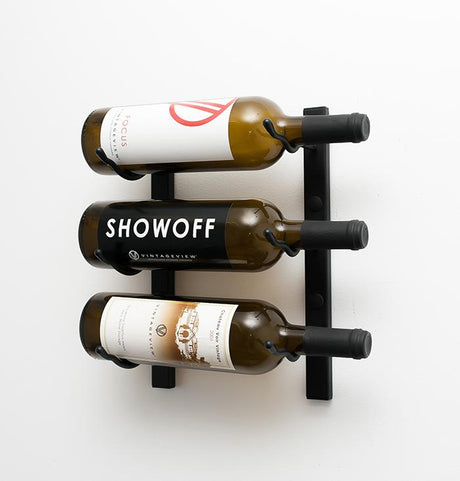
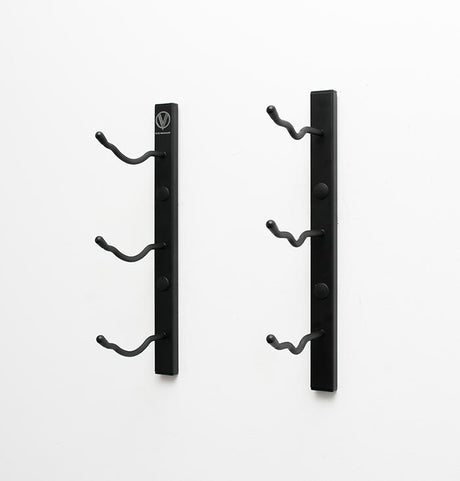
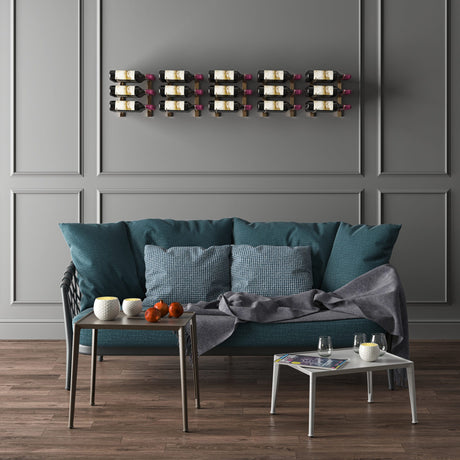
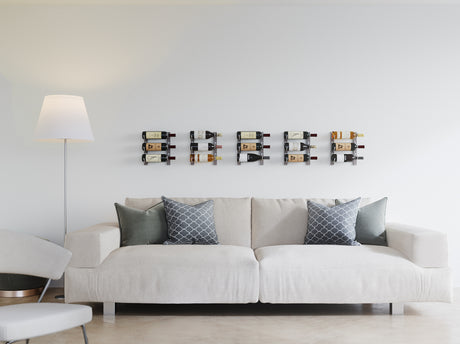
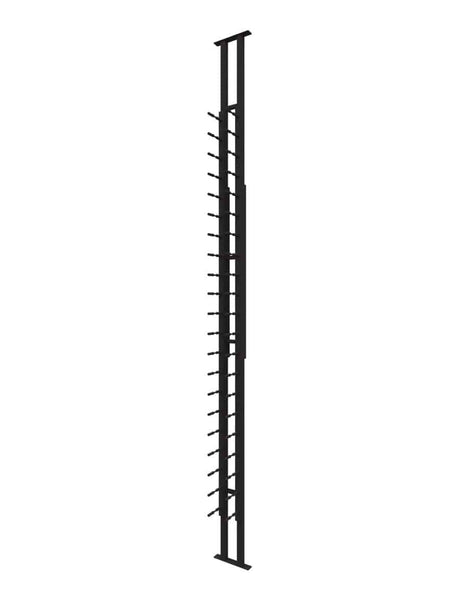
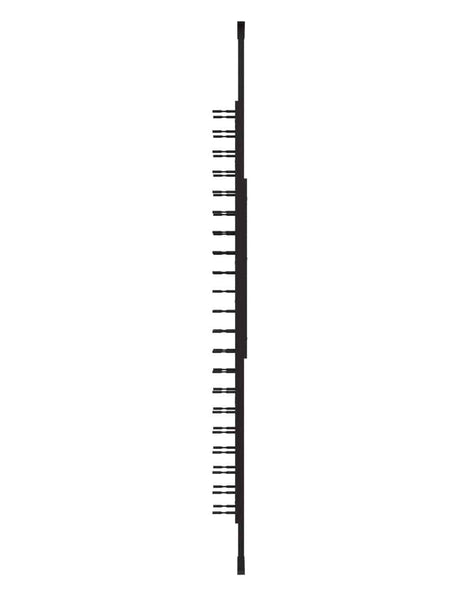
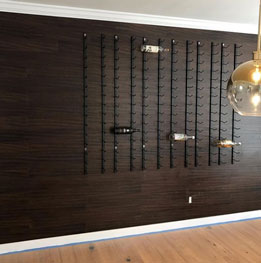
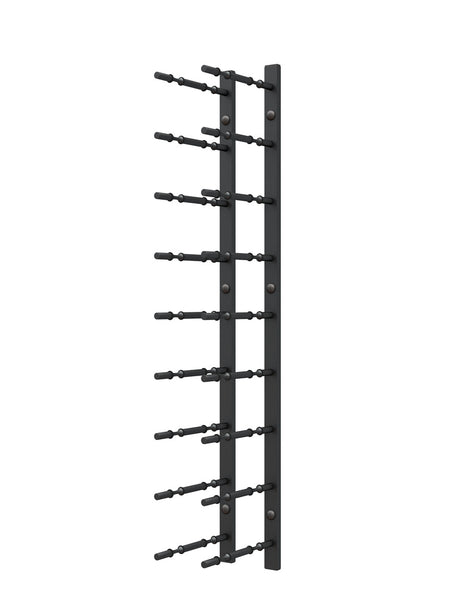
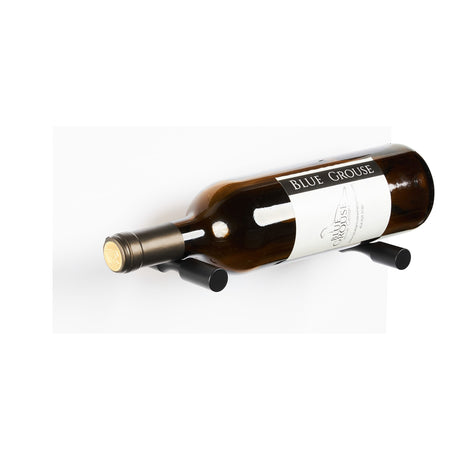
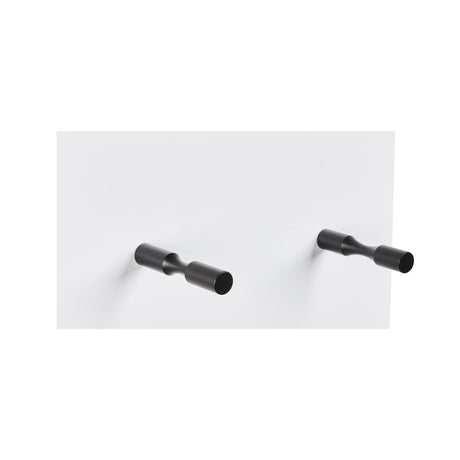
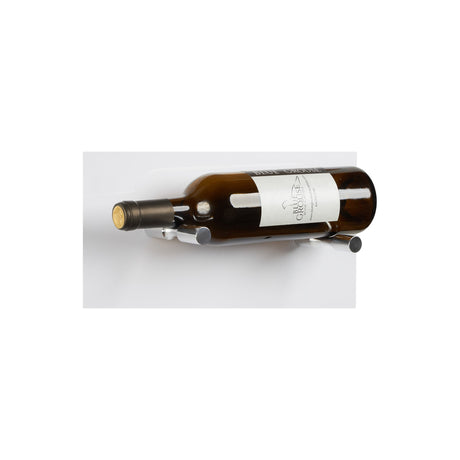
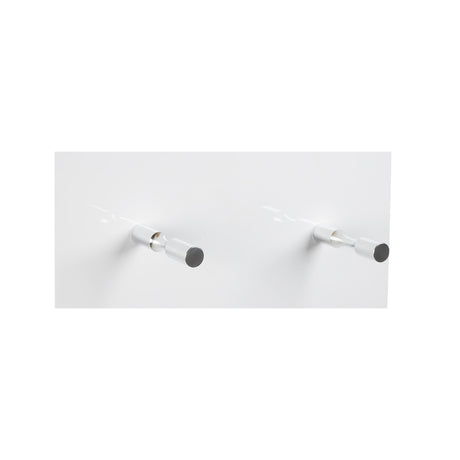
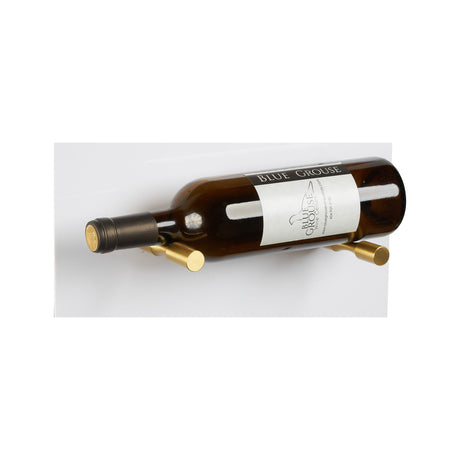
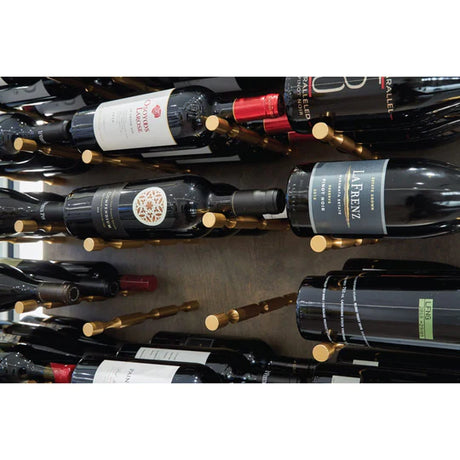
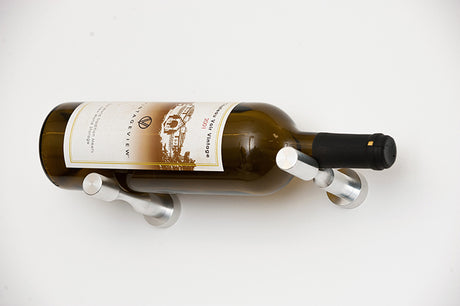
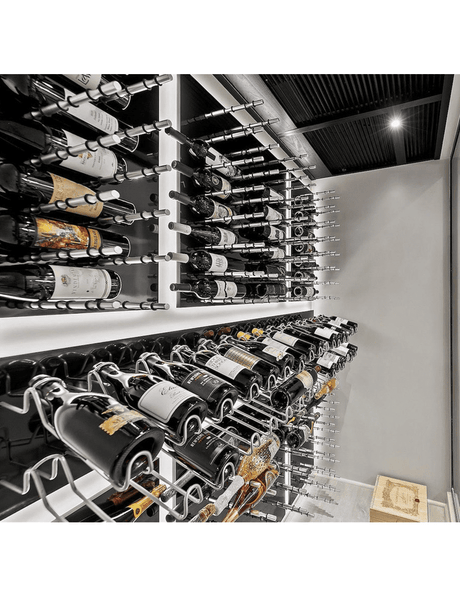
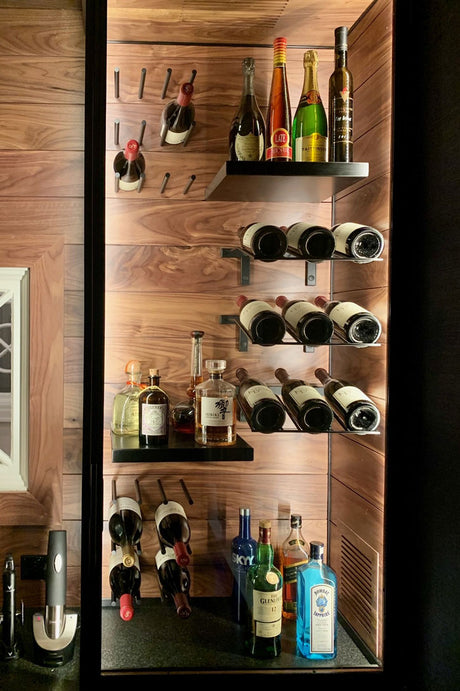
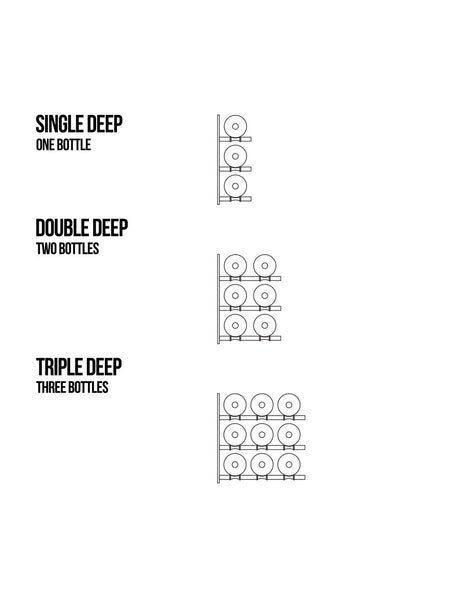
Complete control over bottle orientation — label-forward or cork-out. Fully custom grid layouts with no bulky framing. Mix bottle formats across the same wall.


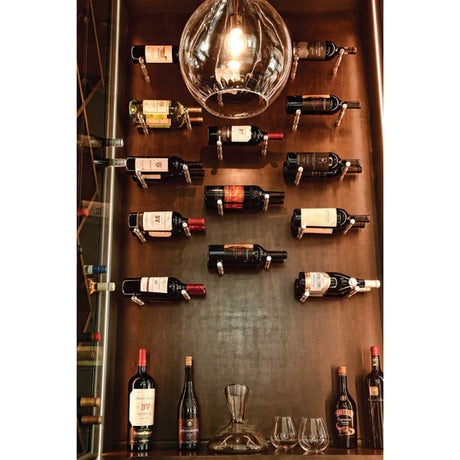
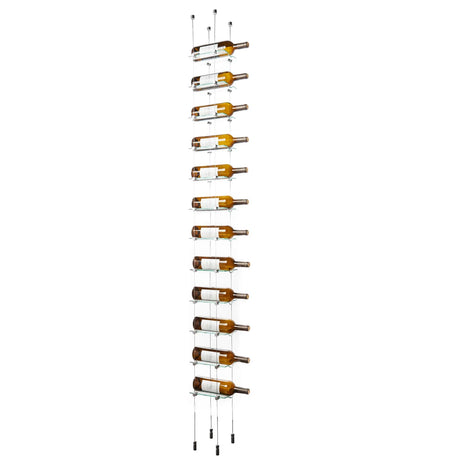
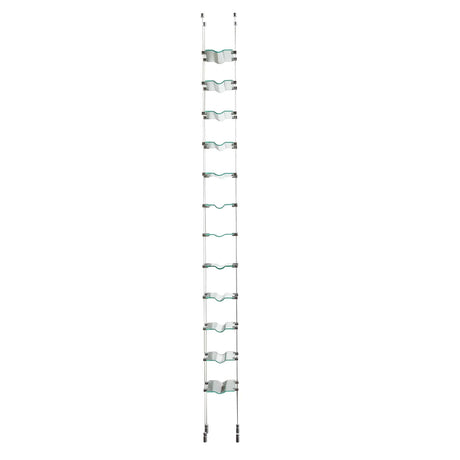
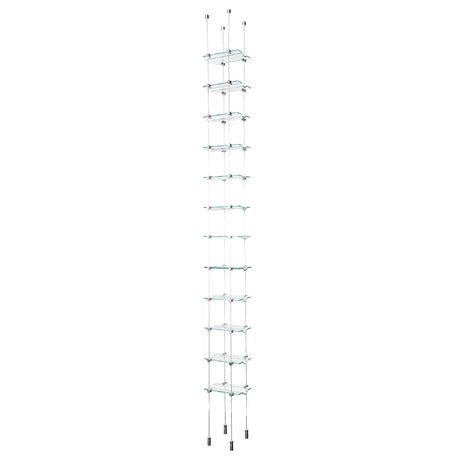
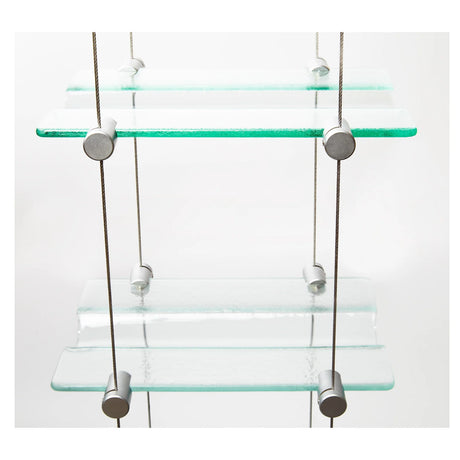
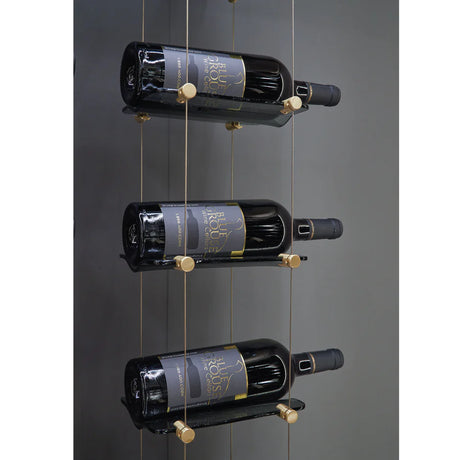
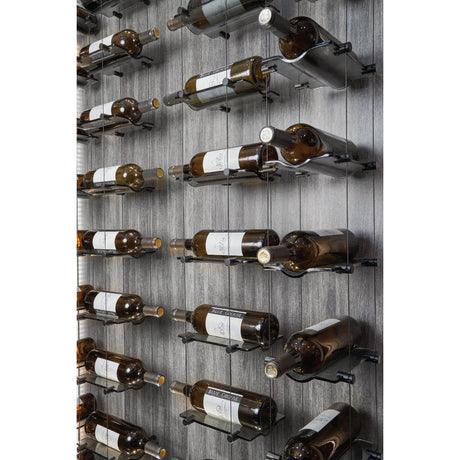
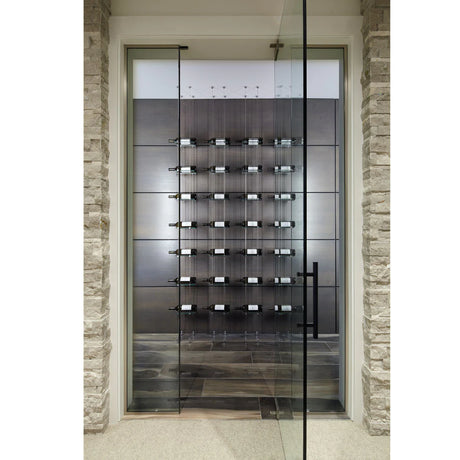
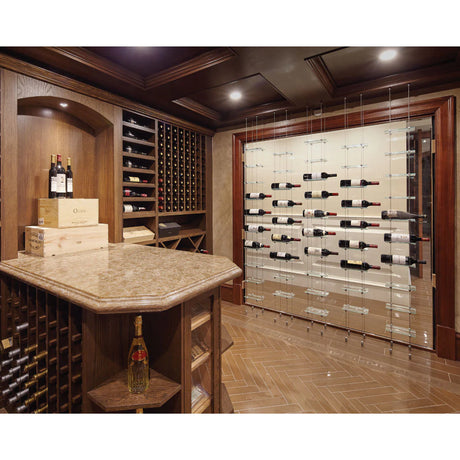
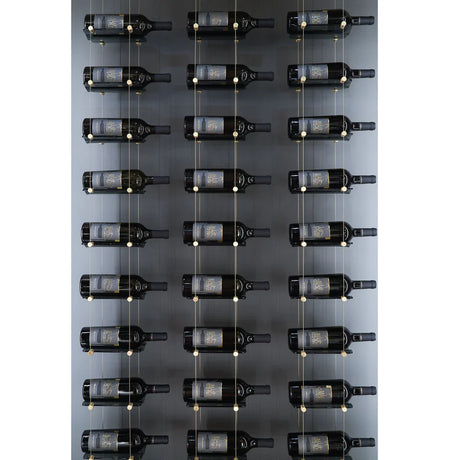
Cable Wine Display Racks
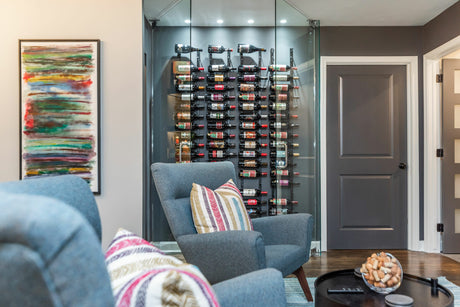
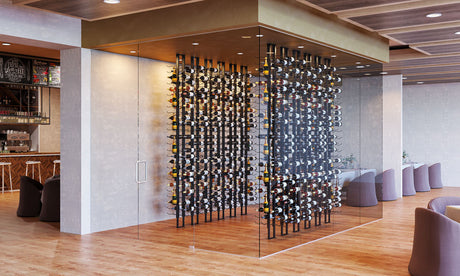
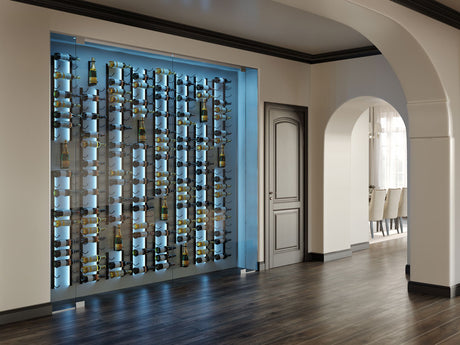
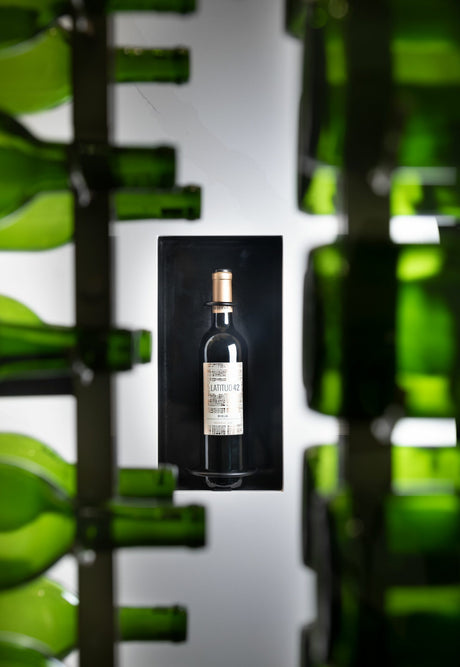
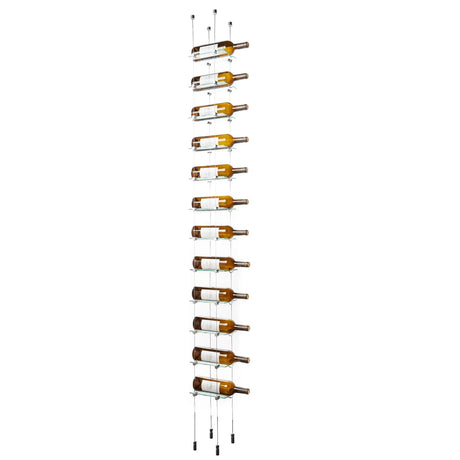
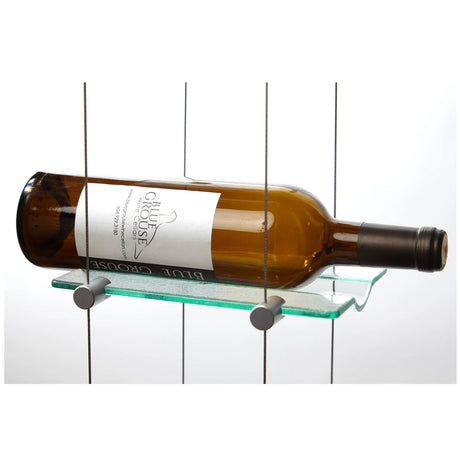
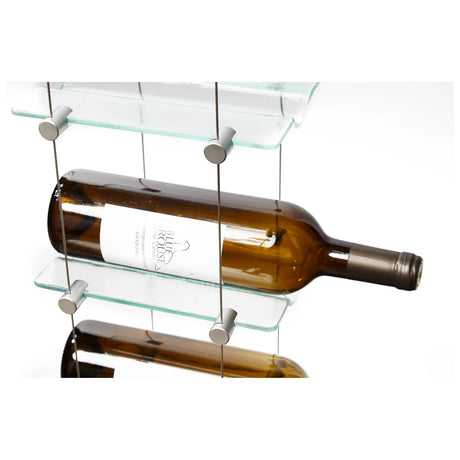
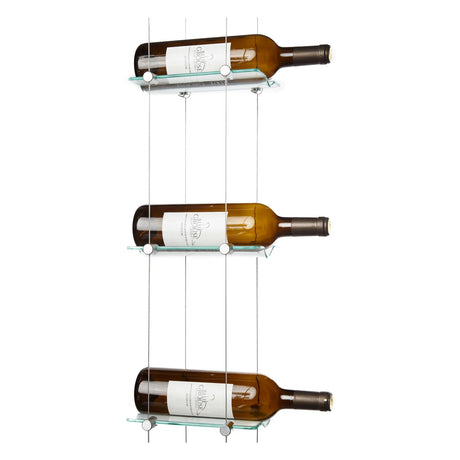
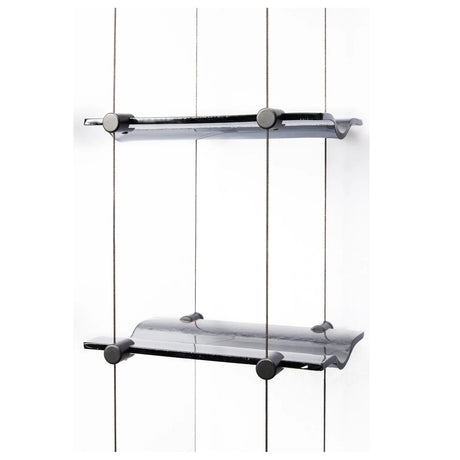
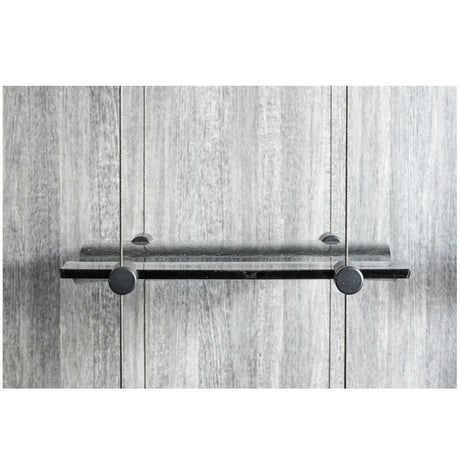
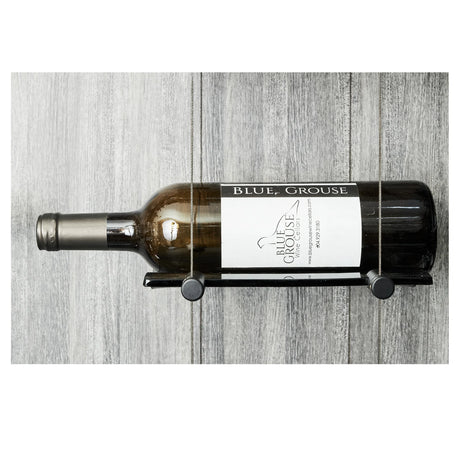
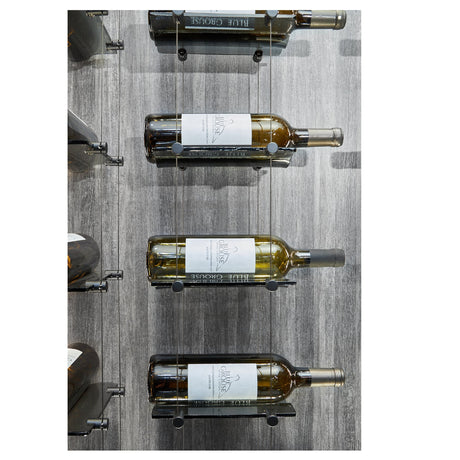
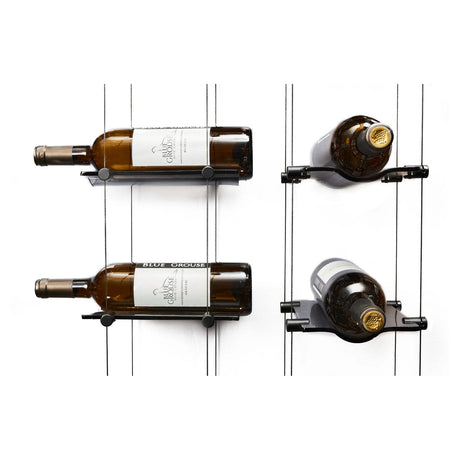
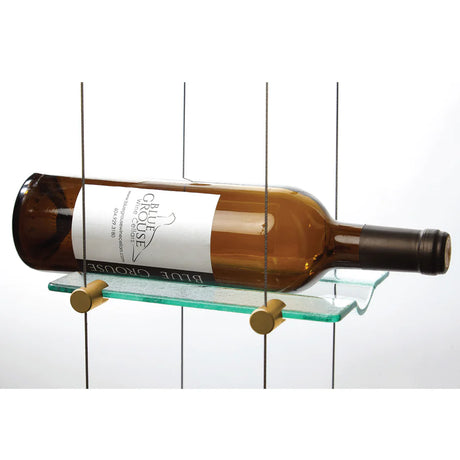
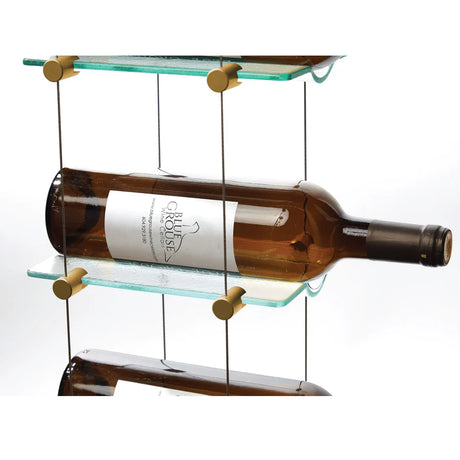
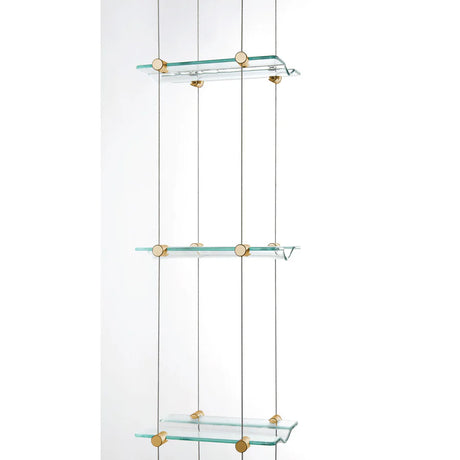
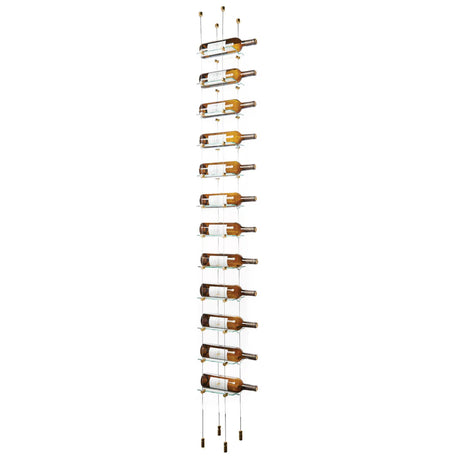
Suspended cable-and-glass hardware gives a stunning floating display illusion. As much a design statement as a storage solution. Blue Grouse systems from 2 to 12 bottles.


Countertop Wine Racks
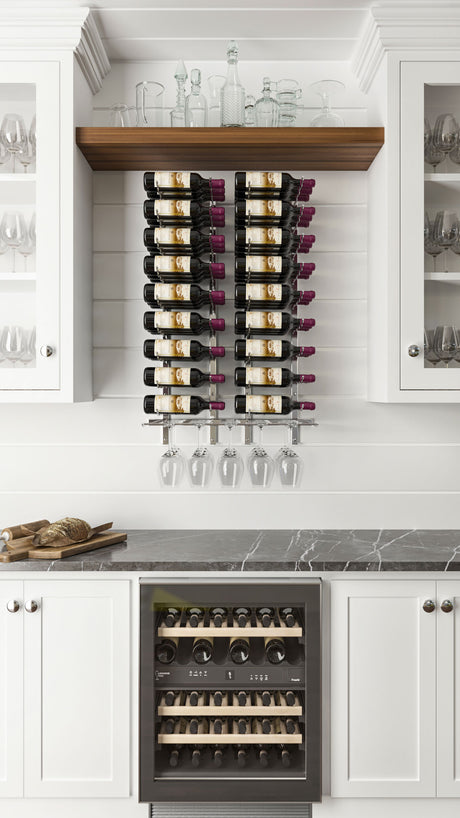
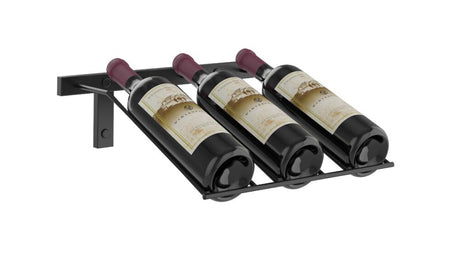
No installation — place on any flat, stable surface. Best for 12 or fewer bottles and quick everyday access. Works well paired with a wall-mounted or floor-standing system for overflow.
Materials
Wine Racks by Material
Not all wine rack materials perform equally across environments. The best choice depends on humidity tolerance, structural load capacity, and where the rack will live long-term. Wooden wine racks handle the sustained moisture of a dedicated cellar; metal wine racks suit the drier conditions of kitchens and living rooms; and acrylic excels in display-first interiors where visual impact matters most.
Wood Wine Racks
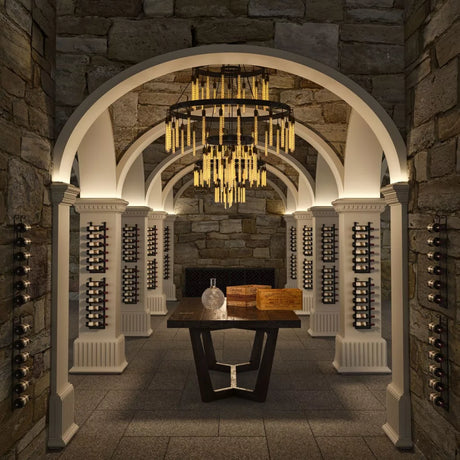
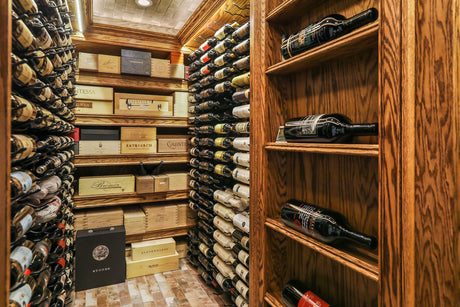
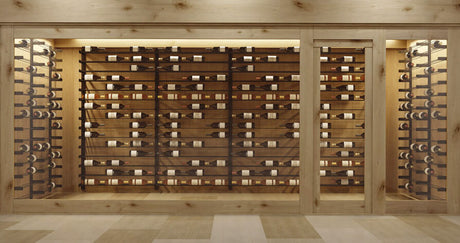
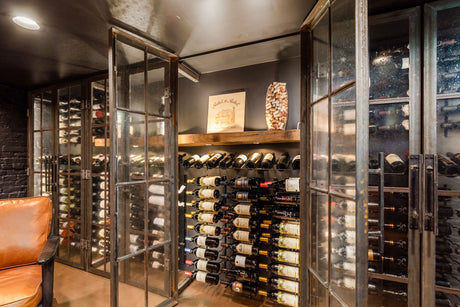
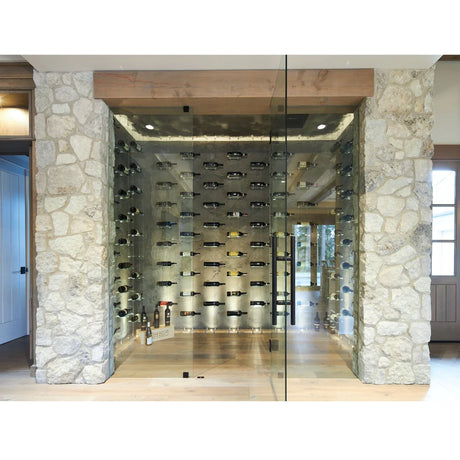
Kiln-dried hardwoods — mahogany, redwood, and oak — are the industry standard for dedicated wine cellar racks because they actively manage ambient humidity without degrading. Choose wood wine racks when you are building a permanent, dedicated cellar and need a material that handles sustained humidity and heavy loads over decades.
Choose wood when: You are building a permanent, dedicated cellar and need a material that handles sustained humidity and heavy loads over decades.
Ideal Temp55–65°F
Humidity50–70% RH
Load Capacity312 lbs / 120 bottles
Best ForDedicated wine cellars, basement builds, temperature-controlled rooms
MaintenanceAnnual inspection; light sanding and re-sealing every 3–5 years
Lifespan20–30+ years
Avoid InKitchens, low-humidity rooms
Metal Wine Racks
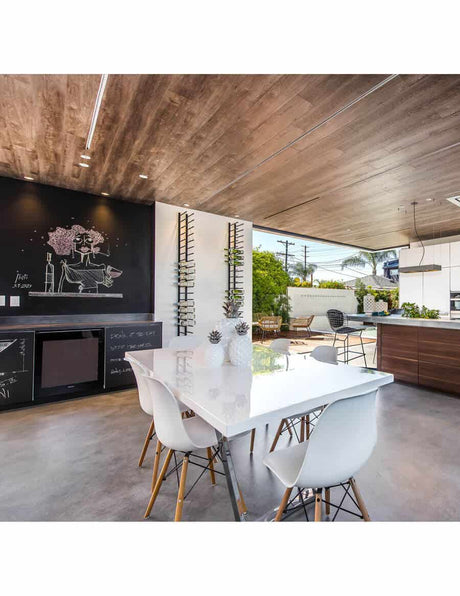
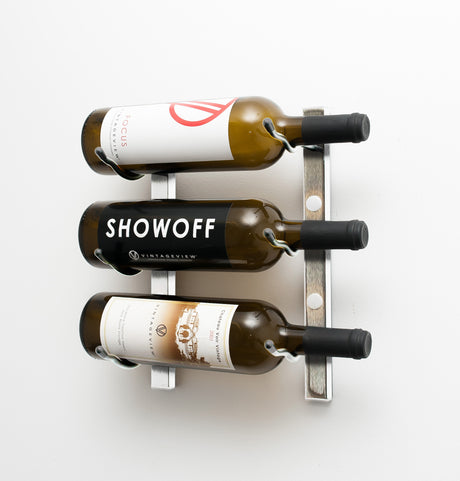
Metal or steel is the top choice for modern residential wine storage racks because the material offers a high load-to-weight ratio, durable finishes, and design versatility. VintageView metal wine racks are available in matte black, brushed nickel, and satin aluminum, making them the most finish-flexible option across any room. Choose metal when installing in a kitchen, dining room, or home bar, and want a durable, design-forward rack that holds its finish for 10+ years with minimal maintenance.
Choose metal when: Installing in a kitchen, dining room, or home bar, and you want a durable, design-forward rack that holds its finish for 10+ years with minimal maintenance.
Ideal Temp60–68°F
Humidity30–50% RH
Load Capacity62 lbs / 24 bottles
Best ForKitchens, dining rooms, living rooms, home bars
MaintenanceWipe clean; inspect annually for rust at anchor points
Lifespan10–15+ years
Avoid InHigh-humidity cellars
Acrylic Wine Racks
Acrylic panels create a floating visual effect where bottles appear suspended in mid-air with no visible framing — making acrylic the top choice for decorative wine racks for home and hospitality spaces where aesthetics outweigh storage volume. Acrylic scratches more easily than metal or wood and should not be used in high-traffic spaces where bottles are retrieved frequently. Choose acrylic when furnishing a dining room or modern interior where visual impact is the primary driver and bottle turnover is low.
Choose acrylic when: Furnishing a dining room or modern interior where visual impact is the primary driver and bottle turnover is low.
Ideal Temp60–68°F
HumidityBelow 50% RH
Load Capacity2.6 lbs per bottle
Best ForDining rooms, hospitality spaces, modern open-plan interiors
MaintenanceNon-abrasive acrylic cleaner only; avoid ammonia-based products
Lifespan7–10 years
Avoid InCellars, high-traffic spaces
Material at a glance
| Material | Ideal Temp | Humidity | Load Capacity | Lifespan | Best Environments | Avoid In | Shop |
|---|---|---|---|---|---|---|---|
Hardwood | 55–65°F | 50–70% RH | 312 lbs / 120 bottles | 20–30+ years | Dedicated wine cellars, basement builds | Kitchens, low-humidity rooms | Shop Hardwood |
Powder-Coated Steel | 60–68°F | 30–50% RH | 62 lbs / 24 bottles | 10–15+ years | Kitchens, dining rooms, home bars | High-humidity cellars | Shop Metal |
Acrylic | 60–68°F | Below 50% RH | 2.6 lbs per bottle | 7–10 years | Dining rooms, hospitality, modern interiors | Cellars, high-traffic spaces | Shop Acrylic |
Bottom line: Hardwood is the material suited for dedicated wine cellar racks with sustained humidity. Metal wine racks are the best all-round choice for modern living spaces. Acrylic is a display-first material for low-humidity, low-turnover environments.
Bottle Capacity
Wine Racks by Bottle Capacity
To choose the right wine rack size, start with your current bottle count, then add 25–30% to account for growth in your collection. Casual drinkers storing 6–12 bottles need a compact countertop or single-column wall unit; serious collectors with 100+ bottles should plan for modular or custom wine cellar racks rated to handle 260–312+ lbs of dead load.
Small Collections
12
Bottles
Small-capacity racks are best for casual drinkers who regularly rotate through bottles. Choose this tier when you keep 12 or fewer bottles on hand, replace them frequently, and prioritize quick access and compact footprint over long-term storage.
Choose this tier when:You keep 12 or fewer bottles on hand, replace them frequently, and prioritize quick access and compact footprint over long-term storage.
Most Popular
Mid-Range Collections
50
Bottles
Mid-range capacity is the most common entry point for regular wine buyers. Choose this tier when you buy by the case and want a system that handles modest growth without a full cellar build.
Choose this tier when:You buy by the case and want a system that handles modest growth without a full cellar build.
Large Collections
100+
Bottles
At over 100+ bottles, choosing storage options is as much about structural and environmental considerations as it is about selecting the product. Choose this tier when you buy in bulk, age bottles long-term, or are building a dedicated cellar space.
Choose this tier when:You buy in bulk, age bottles long-term, or are building a dedicated cellar space.
| Collection Size | Fully Loaded Weight | Load Calculation | Recommended Type | Key Spec |
|---|---|---|---|---|
| 6–12 bottles | 16–31 lbs | Bottles × 2.65 lbs | Countertop or single wall column | Cradle opening: 3" dia. exactly |
| 20–50 bottles | 52–130 lbs | Bottles × 2.65 lbs | Floor-standing or wall kit | Shelf rating: 20 lbs+ per tier; base depth 12"+ |
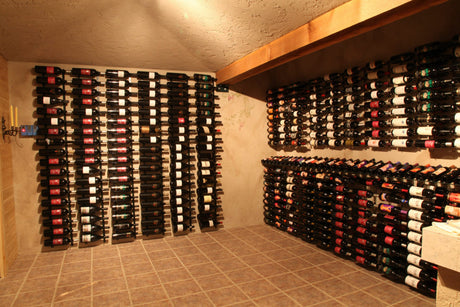
| 100+ bottles | 260–312+ lbs | Bottles × 2.65 lbs | Modular or custom cellar | Hardwood or heavy-gauge steel; 50–70% RH |
Bottom line: Multiply your bottle count by 2.65 lbs to calculate total load, size up by 25–30% for growth, verify cradle diameter for non-standard formats, and pair any 100+ bottle system with a climate control solution for long-term aging.
FAQs
Wine Rack Questions, Answered
Common questions from buyers before they choose a wine rack system.
3
questions answered
Wine racks for wall free up floor space entirely, eliminate the risk of tipping once properly anchored, and serve as permanent architectural features in your chosen location. They consistently outperform freestanding options in terms of space efficiency for homeowners. The trade-off is that installation requires drilling into walls, making them impractical for renters.
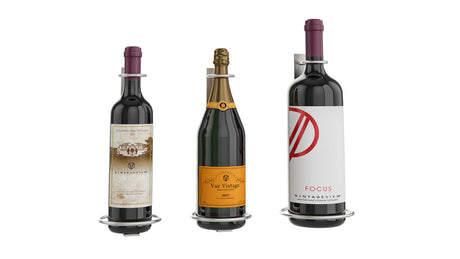
Standard wine rack cradles are sized for 750ml bottles (3" diameter); Champagne and Prosecco bottles run 3.5–3.7" in diameter and magnums (1.5L) are larger still. Some wine rack brands like VintageView and Kessick have units that can hold standard, Champagne, Pinot Noir, or magnum bottles. Always check the manufacturer’s stated cradle opening dimensions before purchasing for a mixed collection.
Absolutely. If you buy wine regularly, a dedicated rack keeps your bottles organized, label-forward, and easy to grab. It also protects them from rolling around in a cabinet or sitting upright, which dries out corks over time. Whether you have 6 bottles on a countertop or 100 on a wall, a wine rack is worth the investment for storing and displaying your collection.
Shop Wine Cellar HQ
Shop Wine Racks at Wine Cellar HQ
Wine Cellar HQ is one of the best places to buy modern wine racks online, carrying wall-mounted, modular, freestanding, peg, cable, and countertop systems across every price point and bottle capacity. Whether you’re looking for affordable wine storage racks or a full floor-to-ceiling custom wine cellar rack, every product in our collection ships with verified load ratings and manufacturer support. Browse the full selection at Wine Cellar HQ and find the right system for your space, collection size, and budget.
Browse All Wine Racks
Get Expert Help
Verified load ratings on every product
Manufacturer support included
Authorized dealer for all brands


